Picking where to base yourself in 2026 matters as much as picking which country to visit. The UK packs castles, coastlines, and capital-city museums into distances that often shrink to a two- or three-hour train ride, so your hotel choice can make or break how much you actually see.
This guide highlights the best UK holiday destinations for 2026, pairing top sights with practical hotel picks. New museum openings, historic anniversaries, and better rail links make 2026 an ideal year to explore.
Key Takeaways
- Major 2026 Milestones: London opens the new London Museum at Smithfield, Scarborough marks 400 years as a spa town, and the Gobbins Cliff Path reopens in Northern Ireland.
- Best for First-Time Visitors: London and Edinburgh offer rich historic landmarks, walkability, and easy public transit connections.
- Top Outdoor Retreats: The Lake District National Park, Pembrokeshire, and the Scottish Highlands provide premier options for scenic drives and coastal walks.
- Base Pairing: Combining a vibrant city stay with a nearby countryside retreat offers the most balanced UK itinerary.
London: Landmarks and World-Class Museums
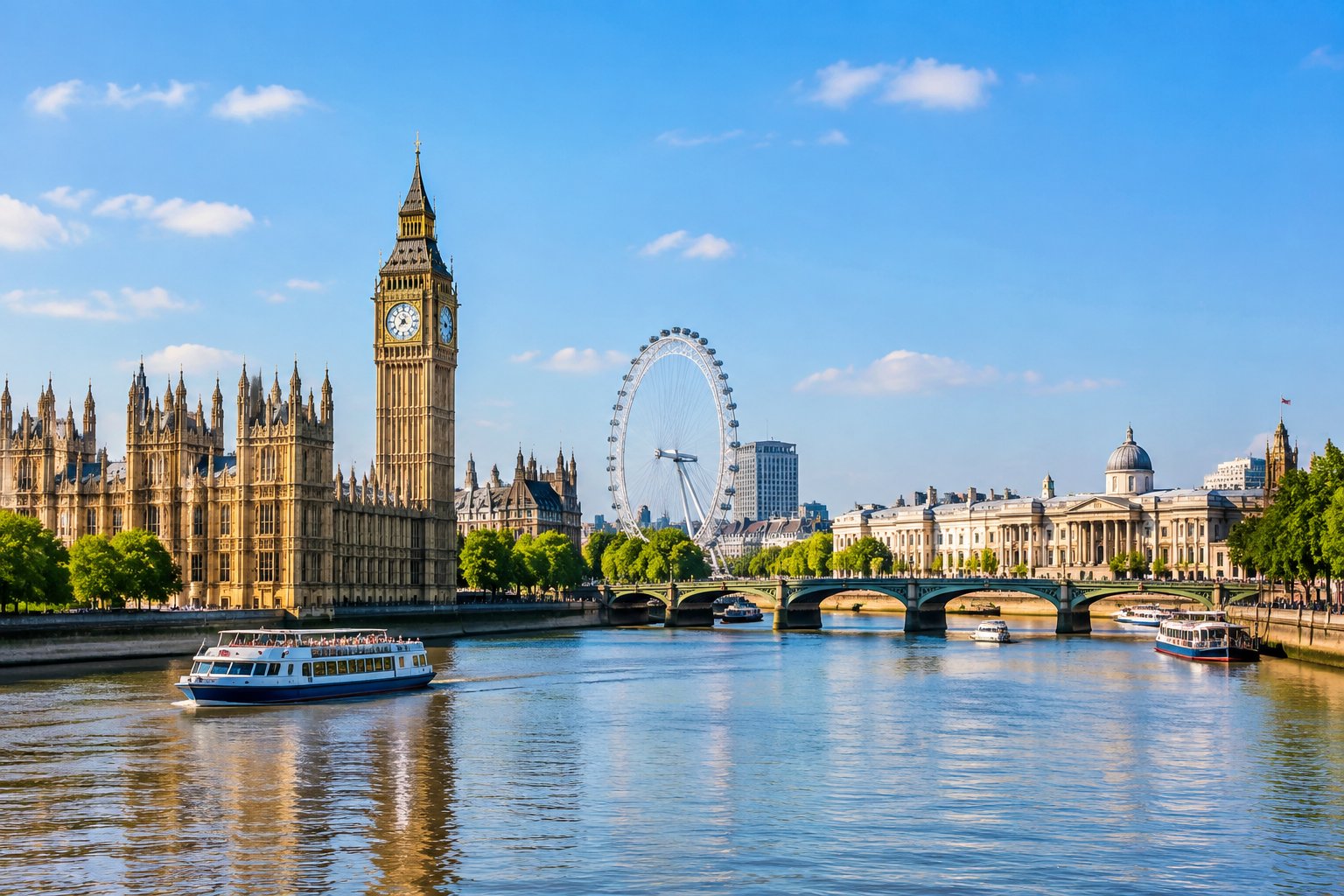
London remains the UK's biggest draw. Few cities pack royal history, world-class free museums, and iconic river views into such compact neighborhoods.
A stroll through St James's Park leads to Buckingham Palace, where morning ceremonies draw travelers from across the globe.
You can easily walk between major sights like the Tower of London and the London Eye, or cross the river to visit Tate Modern. In South Kensington, institutions like the Natural History Museum welcome visitors year-round.
What Are London's Three Absolute Highlights?
- The British Museum: Two million years of human history under one roof, a short walk from Covent Garden and Bloomsbury.
- Tower of London and Tower Bridge: Centuries of royal and military history beside the Thames, with Buckingham Palace and its changing of the guard a tube ride away.
- London Museum, Smithfield: The city's new free permanent museum opens its doors on 28 November 2026, housed in a restored Victorian market building with galleries spanning Roman London to the present day.
Where Should You Stay in London?
Holborn puts you within walking distance of the British Museum, Covent Garden, and Oxford Street. It makes an ideal base if you want to explore on foot.
The Hoxton, Holborn sits two minutes from the tube and offers 220 rooms. You get free cancellation up to 2pm the day before arrival when you book direct.
The brand also runs properties in Shoreditch, Southwark, and Shepherd's Bush, each geared toward a different side of the city. Check current rates on Booking.com or Expedia before booking, as prices jump quickly around major city events.
Edinburgh: Castle Views and Festival Energy

Edinburgh pairs a historic hilltop fortress with one of the world's largest arts festivals. On a quiet morning, Edinburgh Castle offers sweeping views over the city skyline.
Visit during the Fringe in August, and the Royal Mile turns into an energetic open-air stage.
What Are Edinburgh's Three Absolute Highlights?
- Edinburgh Castle: Set aside at least two hours for the main attractions, and book tickets online in advance since they sell out in summer. Adult admission runs £23.50 online versus £26.00 at the gate.
- The Royal Mile: The historic spine connecting the castle to Holyrood, lined with pubs, shops, and closes worth ducking into.
- Edinburgh Festival Fringe: The world's largest arts festival takes over the city for three weeks in August, a tradition dating back to 1947 when eight uninvited theatre groups showed up to perform.
Where Should You Stay in Edinburgh?
The Inn on the Mile occupies a restored 1923 bank building right on the Royal Mile. It features nine boutique rooms above a traditional pub.
From here, you can walk to the castle gates in five minutes. Booking direct includes a drinks voucher and a dining discount, though you should check travel aggregators early for August dates.
Cornwall: Beaches and Art in St Ives
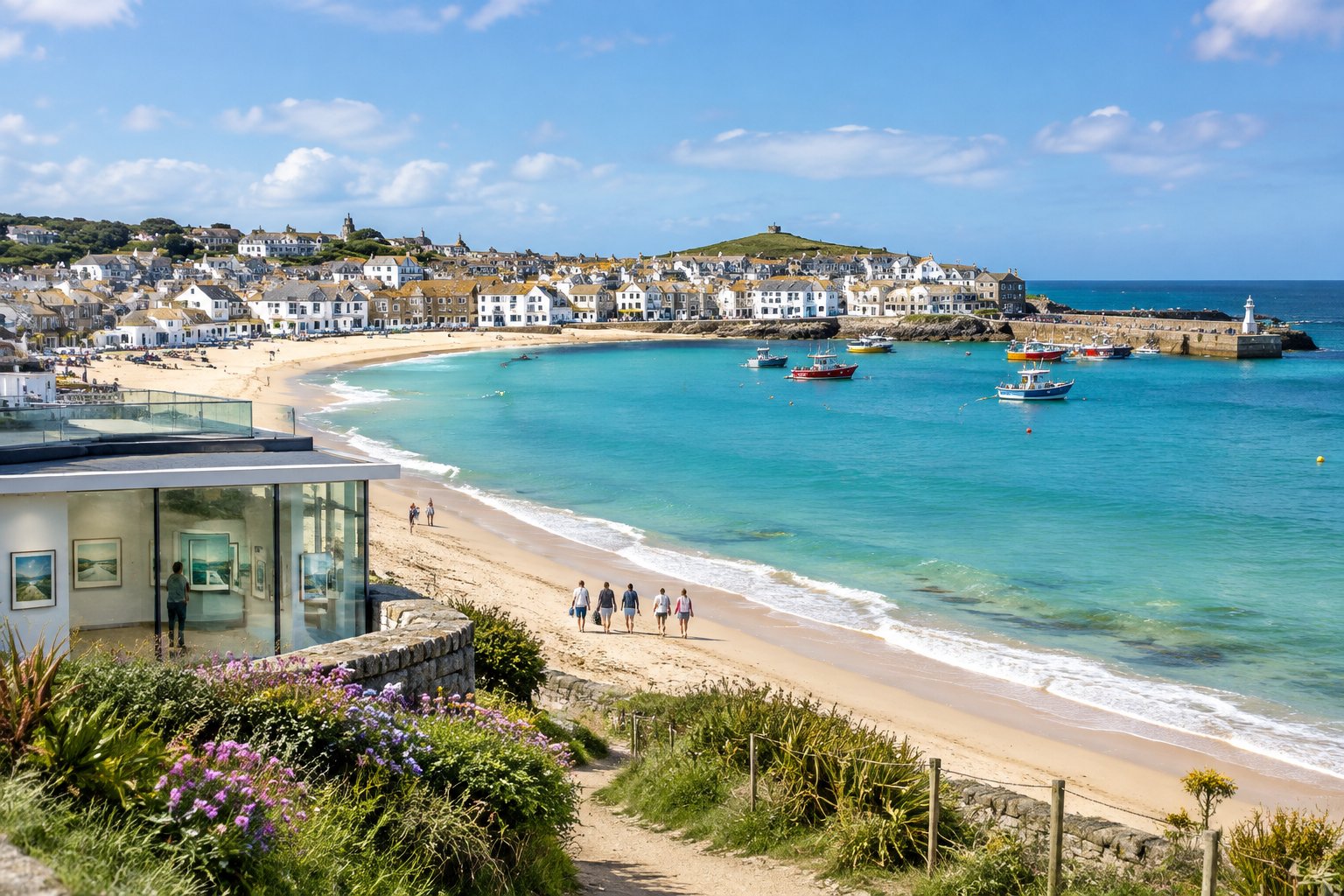
St Ives combines clear Atlantic water with a rich creative heritage. Golden beaches and granite-lined lanes give the harbor town a distinctive coastal feel.
What Are Cornwall's Three Absolute Highlights?
- Tate St Ives: Overlooking Porthmeor Beach, the gallery shows work by Barbara Hepworth and Patrick Heron, with admission priced at £15.50 with donation (£14 without) through early October 2026.
- South West Coast Path walks: The St Ives Town Trail covers 1.9 miles of waterfront and cobbled streets, while the Clodgy Point route runs 3.25 miles through heathland. Further east, the trail extends toward Dorset and the iconic cliffs of the Jurassic Coast.
- Falmouth's maritime museum: A short drive away, Falmouth adds a different coastal flavor with its own harbor history and art exhibitions.
Where to Stay in Cornwall
Where to Stay in St Ives
Pedn Olva perches on granite rocks directly above St Ives Bay. Its terraces sit thirty feet above the water, looking straight across the harbor.
Near the main wharf, the Lifeboat Inn features rooms just a short stroll from Tate St Ives. Book well ahead for summer weekends, as seaside rooms sell out months in advance.
The Lake District: Walks, Lakes, and Village Stays
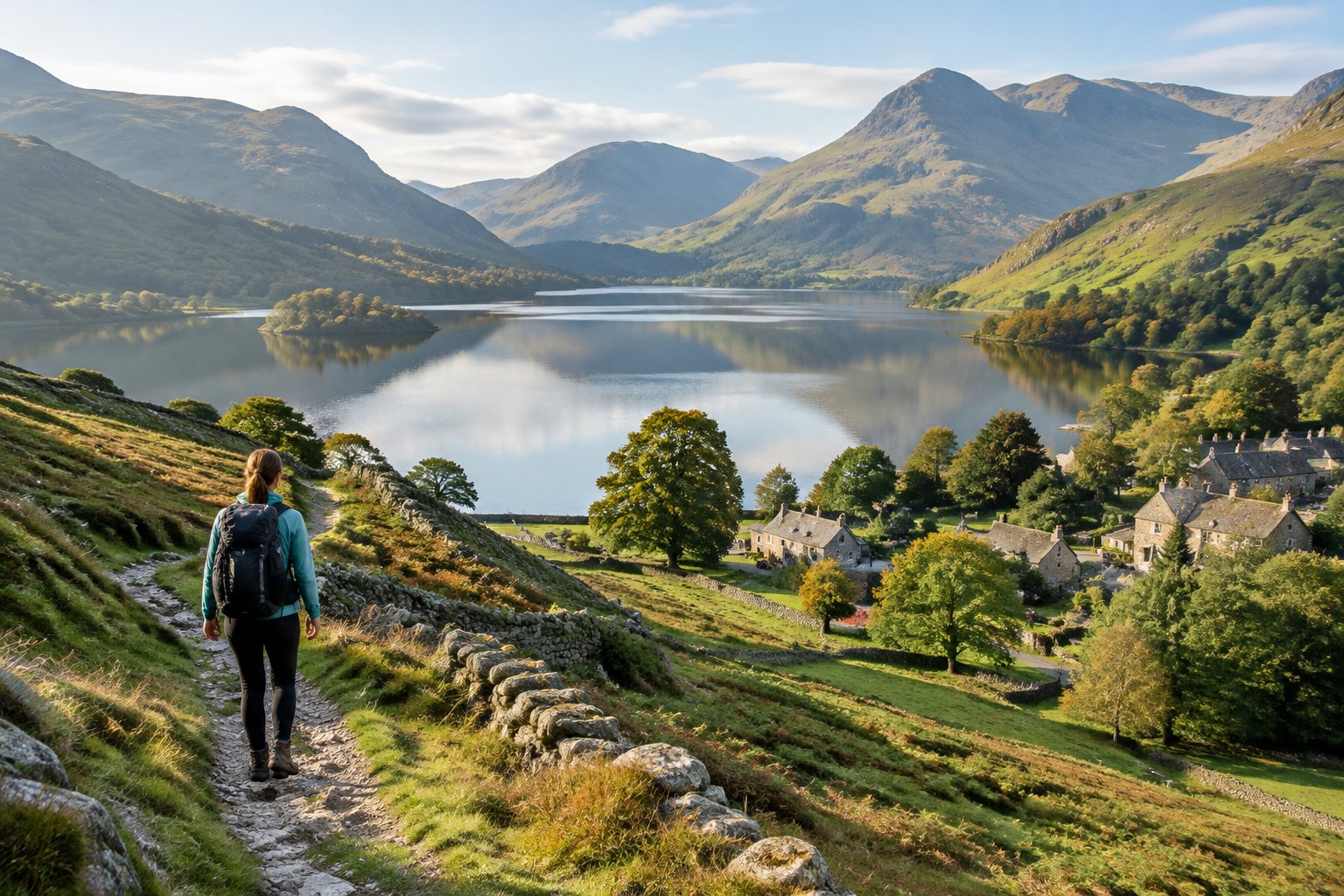
Set across the scenic fells of Cumbria, the Lake District National Park gives hikers steep climbs and calm waters, with welcoming village pubs waiting at day's end.
Central villages like Ambleside and Grasmere serve as convenient launchpads for trail walks, boat hires, or quiet afternoons.
What Are the Lake District's Three Absolute Highlights?
- Stock Ghyll Force: A 70-foot waterfall you reach via a short uphill trail from Ambleside.
- Dove Cottage, Grasmere: William Wordsworth's home from 1799 to 1808, located near St Oswald's Church where the poet rests.
- The Armitt Museum: Ambleside's museum and gallery holds Beatrix Potter's botanical watercolours and works by Kurt Schwitters, who lived in Ambleside during his final years.
Where to Stay in Ambleside
Where to Stay in Grasmere
The Grasmere Hotel offers an adults-only Victorian retreat with 11 en-suite rooms and gardens along the River Rothay. You can easily stroll to Dove Cottage and Grasmere Lake.
Ambleside also hosts dozens of stone guesthouses near Lake Windermere. Bases across Cumbria fill up fast during walking season, so check rates early on Booking.com or Expedia.
Yorkshire: York, Moors, and the Coast
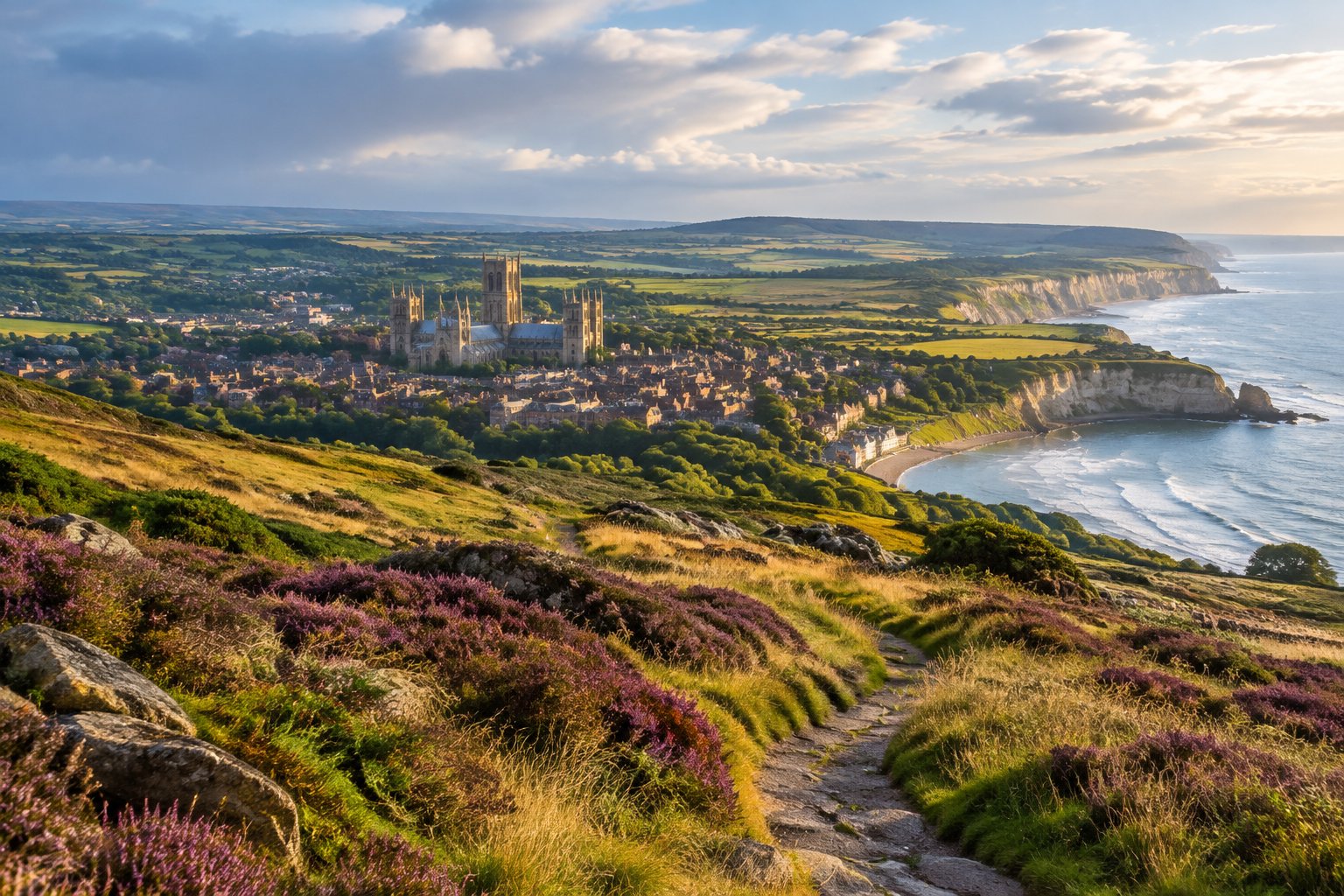
North Yorkshire brings together walled Roman cities, heather moorlands, and rugged North Sea cliffs. You can easily travel between urban museums and coastal paths in under two hours.
What Are Yorkshire's Three Absolute Highlights?
- York Minster: General admission costs £20 for adults and includes a ticket valid for 12 months, plus free entry for children with a paying adult.
- North York Moors National Park: Over 1,400 miles of rights of way cross the park, with the North Yorkshire Moors Railway running from Pickering to Whitby. A drive through the North York Moors reveals purple heather, ancient stone abbeys, and panoramic valley views.
- Scarborough's 400th anniversary: 2026 marks 400 years since Scarborough's designation as a spa town, with a summer events program and a new permanent sculpture.
Where to Stay in York
Stay in York if you want to explore the Minster, medieval walls, and rail links on foot. You will not need a car within the city.
Where Should You Stay in Scarborough?
Scarborough works better if you prefer sea air and proximity to fishing villages like Robin Hood’s Bay. Both locations showcase the diversity of North Yorkshire, though you should compare rates early for Scarborough's 2026 anniversary events.
Bath and the Cotswolds: Roman History and Village Charm
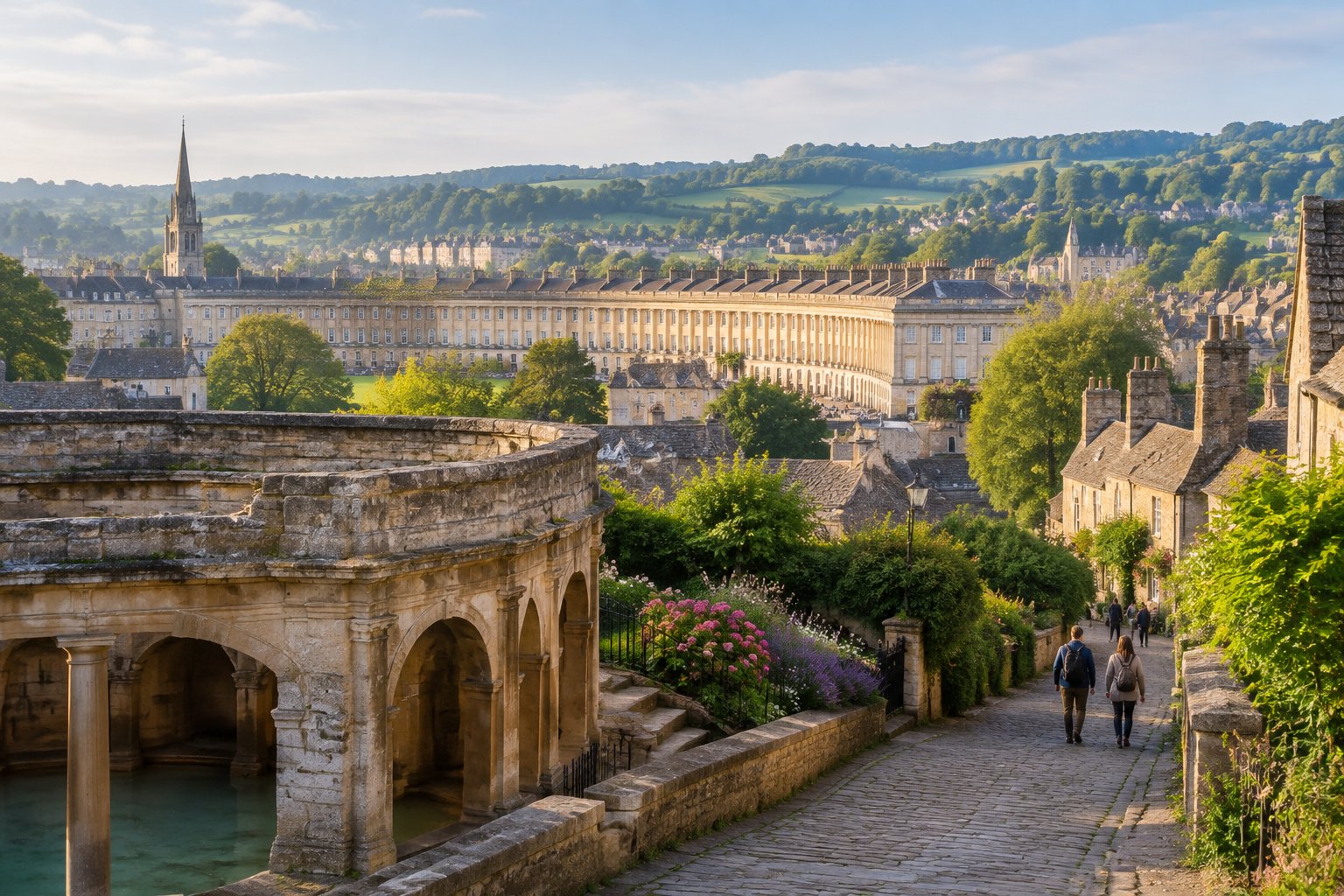
Bath and the Cotswolds pair Roman archaeology with golden limestone cottages. Because they sit side by side, you can easily combine them into a single journey.
What Are the Area's Three Absolute Highlights?
- The Roman Baths: Open daily from 9am to 6pm with last admission at 5pm through the end of October, right next to Bath Abbey.
- Bourton-on-the-Water: One of the Cotswolds' most photographed villages, with low stone bridges crossing the River Windrush. Day trips to Stratford-upon-Avon and Birmingham are straightforward from here, making it easy to visit Shakespeare's historic hometown.
- Stonehenge: A day trip from Bath puts you at England's most recognisable prehistoric monument.
Where to Stay in Bath
Where to Stay in Cotswolds
Where Should You Stay in Bristol?
Nearby the Bristol region, the Gainsborough Bath Spa features thermal baths fed directly by the city's natural springs. It places you minutes from Bath Abbey and the Roman Baths.
For a quieter stay, book an inn around Bourton-on-the-Water in the nearby Cotswolds. Staying near Stratford-upon-Avon also gives you easy evening access to the Royal Shakespeare Theatre. Book your rooms several weeks ahead, as Bath remains a popular weekend destination year-round.
Pembrokeshire: Wales's Coastal Escape
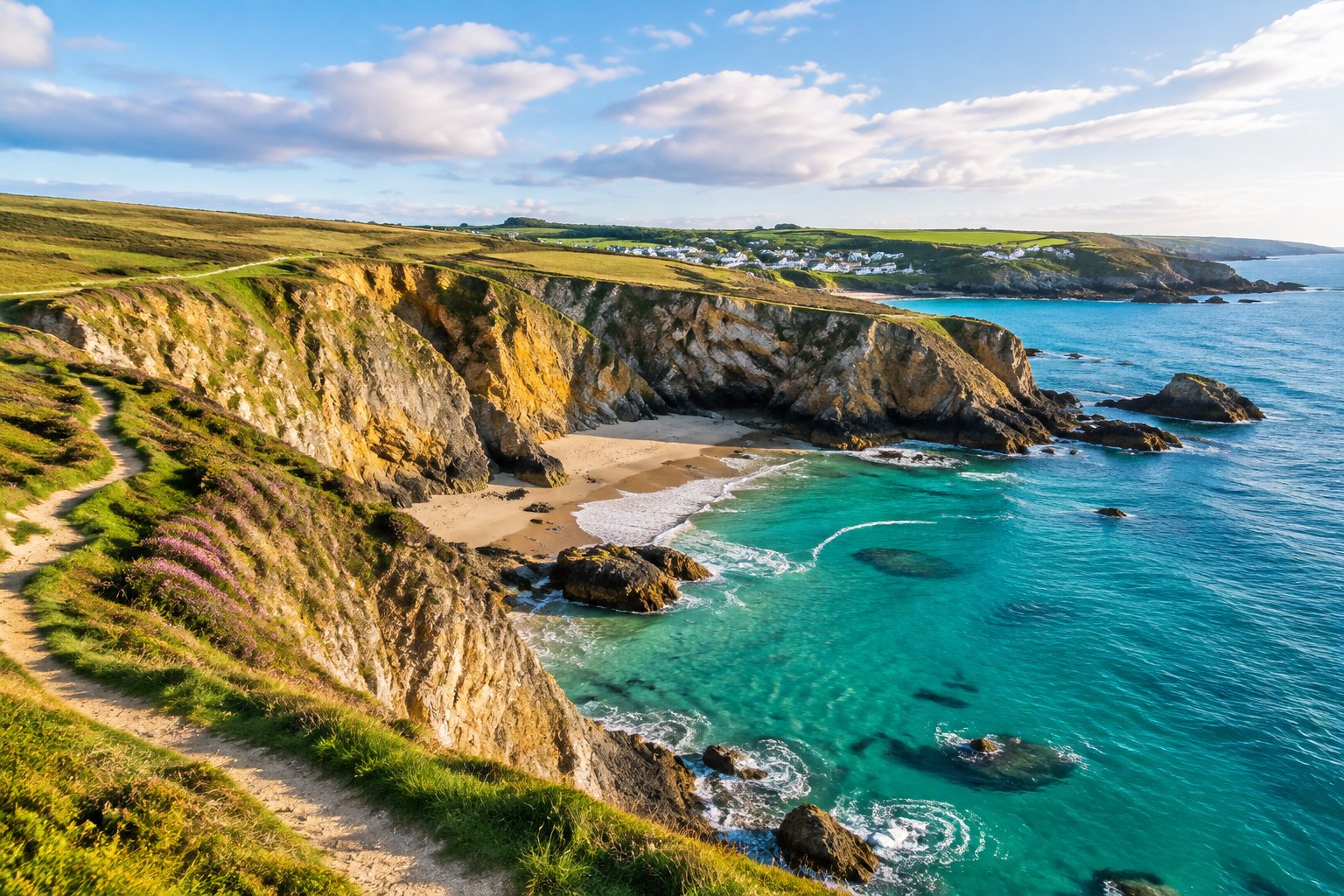
Pembrokeshire gives you dramatic sea cliffs and quiet sandy bays without Cornwall's heavier crowds. The region offers remote coastal paths, offshore islands, and deep connections to Welsh culture.
What Are Pembrokeshire's Three Absolute Highlights?
- St Davids Cathedral: An ancient cathedral resting in Britain's smallest city, surrounded by independent cafes and walking trails.
- The Pembrokeshire Coast Path: Clifftop walking with coves, wildlife, and Dark Skies-certified stretches of coastline.
- Tenby's walled old town: A historic seaside town built within ancient stone fortifications overlooking South Beach.
Where to Stay in Pembrokshire
Penrhiw Priory provides a quiet retreat in St Davids with seven ensuite bedrooms. It sits a short walk from the cathedral grounds.
On the south coast, the Imperial Hotel in Tenby overlooks South Beach from the old town walls. Check availability early if you plan to visit during July or August.
If you extend your journey across southern Wales, spend a night in Cardiff to explore Cardiff Castle and the waterfront restaurants at Cardiff Bay. Exploring local music, poetry, and coastal heritage offers a rich immersion into Welsh culture.
Heading north into Gwynedd brings you to Portmeirion, Wales, an enchanting village known for its distinct pastel architecture, right next to Snowdonia National Park. Staying at Portmeirion gives you access to private coastal woodlands and vibrant plazas once the day crowds disperse.
Belfast and the Causeway Coast: Culture Meets Scenery
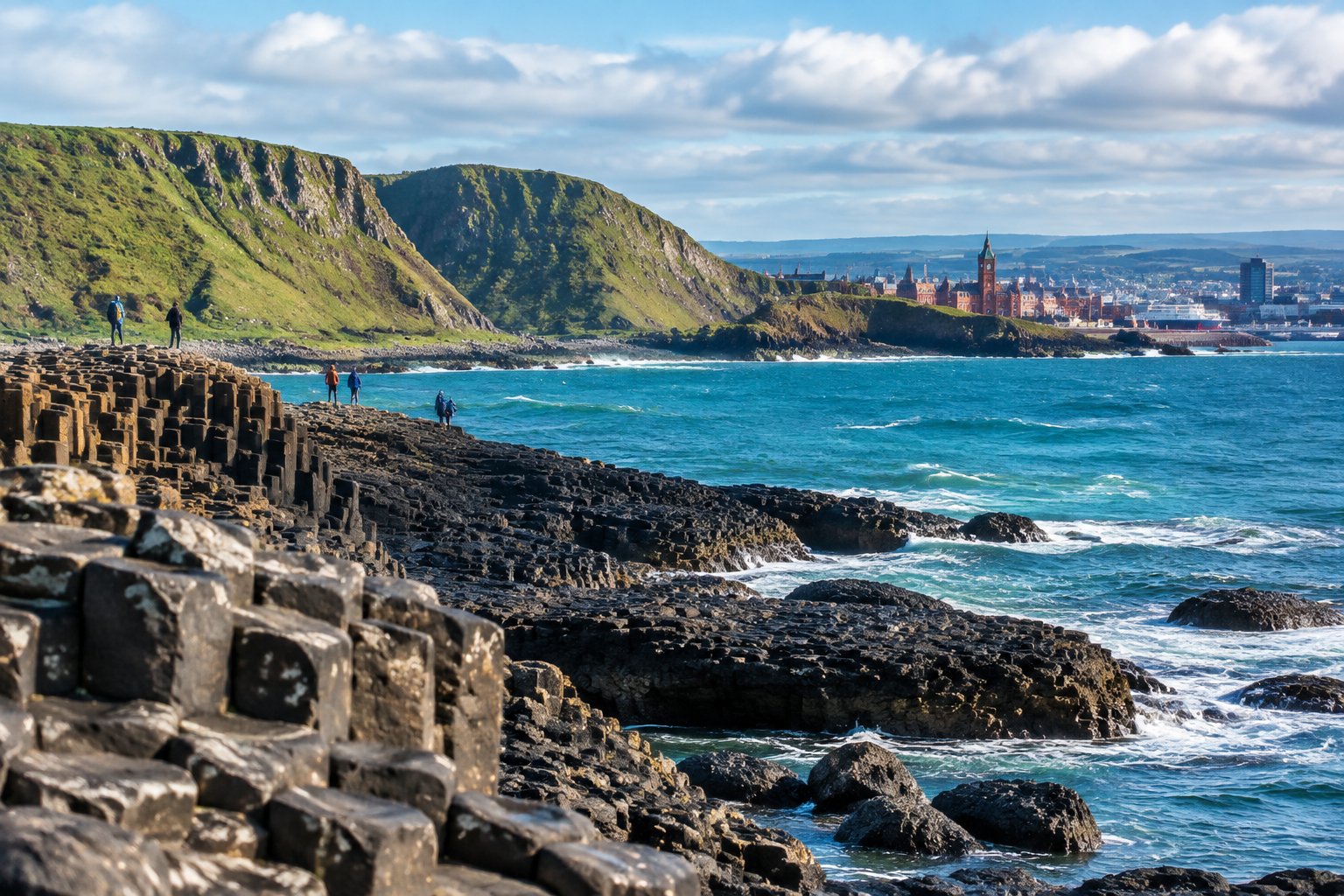
Belfast pairs maritime heritage with an easy escape to the Causeway Coast. The coastal route runs 120 miles north toward Derry City, winding past sea cliffs and ruins.
What Are Northern Ireland's Three Absolute Highlights?
- Titanic Belfast: The city's flagship museum tells the story of the ship built in Belfast's shipyards.
- Giant's Causeway: The hexagonal basalt formations of the Giant’s Causeway remain Northern Ireland's best-known natural attraction, set within the wider Causeway Coastal Route.
- The Gobbins Cliff Path: This Antrim Coast walkway reopens in March 2026 after a rockfall closure, with a new audio-visual visitor experience arriving that October for those who can't complete the full walk.
Where Should You Stay in Belfast or on the Coast?
Titanic Hotel Belfast occupies the former Harland & Wolff drawing offices. You stay right beside the shipyard docks and Titanic Belfast.
Near the northern coast, the Bushmills Inn offers peat fires and a historic tavern minutes from Giant's Causeway. Book coastal stays early to beat summer tour traffic.
The Scottish Highlands: A Scenic Road-Trip Base
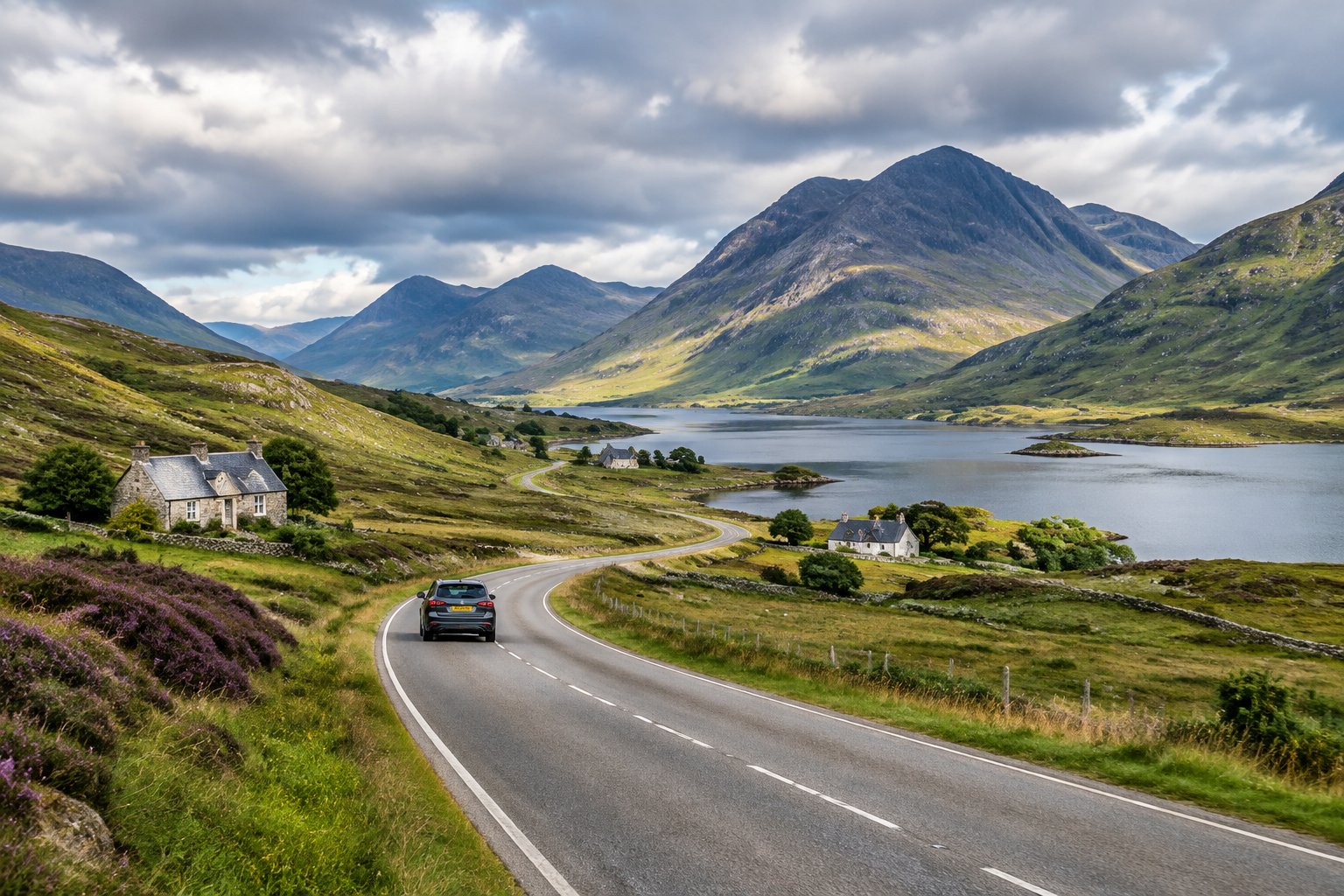
The Scottish Highlands reward drivers who want to explore sweeping glens, lochs, and single-track mountain passes. The North Coast 500 loops around the far north, creating the country's most celebrated road trip.
What Are the Highlands' Three Absolute Highlights?
- The North Coast 500: A circular route around Scotland's north coast taking in beaches, cliffs, and remote villages.
- Stirling: A practical gateway city with 900 years of history, including Stirling Castle and the National Wallace Monument, both close to Loch Lomond and the Trossachs.
- Dark sky viewing: The Highlands' low light pollution makes stargazing, and occasionally the northern lights, part of an autumn or winter visit.
Where Should You Stay in Stirling?
Stirling serves as a natural gateway north. In 2026, Lumo launches a new direct train from London, lowering travel costs for early bookers.
Where to Stay in Glasgow
Alternatively, start in Glasgow to take advantage of broad flight links and lively music halls before heading onto remote northern roads. A stop in Glasgow also offers celebrated Victorian architecture and world-class art collections.
Lodgings along the route range from small crofts to traditional coaching inns. Reserve your rooms months in advance, as Highland vacancies disappear quickly in summer.
Liverpool: Music, Museums, and the Waterfront
Liverpool celebrates both music legends and seafaring history along its waterfront. You can tour The Beatles Story and wander the historic docklands in a single morning.
What Are Liverpool's Three Absolute Highlights?
- The Beatles Story: An immersive museum dedicated to the band's history, located at Albert Dock.
- Albert Dock: The restored Victorian dock complex now holds museums, galleries, and restaurants along the waterfront.
- Liverpool Maritime Mercantile City: The UNESCO World Heritage-listed waterfront reflects the city's role in global trade history.
Where Should You Stay in Liverpool?
Hotels near Royal Albert Dock place you steps from major galleries and waterfront dining. Staying near Lime Street Station in the city center gives quicker access to shops, theaters, and trains.
Choose a Base That Fits Your Trip
Your ideal base depends on your travel style rather than a simple checklist. London puts theaters and museums right on your doorstep, while Pembrokeshire trades crowds for quiet clifftop walks.
Consider pairing two contrasting locations on one trip. A few days in vibrant Belfast flow easily into a quiet stay on the Causeway Coast. Similarly, urban Bath connects seamlessly to a rural Cotswold village.
You could also pair a cultural stop in Manchester or Sheffield with a walking break in the Peak District.
Focus on how you want to spend your days, and choose bases that minimize travel time between sights.
Frequently Asked Questions
Which UK hotspot is best for a first visit in 2026?
London remains the top choice for first-timers. It blends world-famous sights with simple public transit and the brand-new London Museum at Smithfield.
Fast trains also make day trips to Reading, Canterbury, Windsor Castle, Oxford, or Brighton simple.
Where should families stay for a UK holiday?
York and the Lake District work best for family trips. York features pedestrian-friendly streets and free museum admission for children at top sites like York Minster.
In Cumbria, towns like Ambleside provide easy lakeside walks, rowboat rentals, and relaxed village dining.
Which places in England are worth visiting besides London?
Bath, Cornwall, and the Lake District give you history, beaches, and mountain scenery within easy reach of major train routes.
Literary fans can head to Stratford-upon-Avon to tour historic Tudor homes and catch acclaimed stage performances.
Outdoor enthusiasts can travel from Derby into the Peak District for scenic valley trails and visits to Bakewell. Up in the North East, Northumberland boasts the coastal village of Bamburgh and majestic Bamburgh Castle.
For seaside day trips, Hastings or Brighton and the Royal Pavilion sit an easy rail journey south of London. To explore wilder landscapes, head north to the Yorkshire Moors or the Northumberland coast.
What are the best UK hotspots for a coastal holiday?
St Ives, Pembrokeshire, and the Causeway Coast offer three distinct coastal adventures. Choose St Ives for surf beaches and art, Dorset and the Jurassic Coast for fossil hunting, Pembrokeshire for peaceful cliff walks, and Northern Ireland for dramatic geology.
Can you visit the Giant's Causeway on a day trip from Belfast?
Yes. The drive takes about an hour and a half each way from central Belfast.
However, booking a night in nearby Bushmills lets you explore the columns before tour buses arrive.
How far in advance should you book UK accommodation for 2026?
Book three to six months ahead for summer trips, the Edinburgh Fringe, or rural Highland drives. City hotels in London and Manchester offer more flexibility outside major event dates.
Comments