Vietnam’s top hotspots span historic cities, mountain landscapes, limestone bays, cave country, and tropical islands. The top 10 places to visit in Vietnam are Hanoi, Ha Long Bay and Lan Ha Bay, Sapa, Ninh Binh, Hue, Hoi An, Da Nang, Phong Nha, Ho Chi Minh City, and Phu Quoc. Exploring the top 10 hotspots in Vietnam gives you a practical mix of culture, nature, food, and beach time for Vietnam travel in 2026.
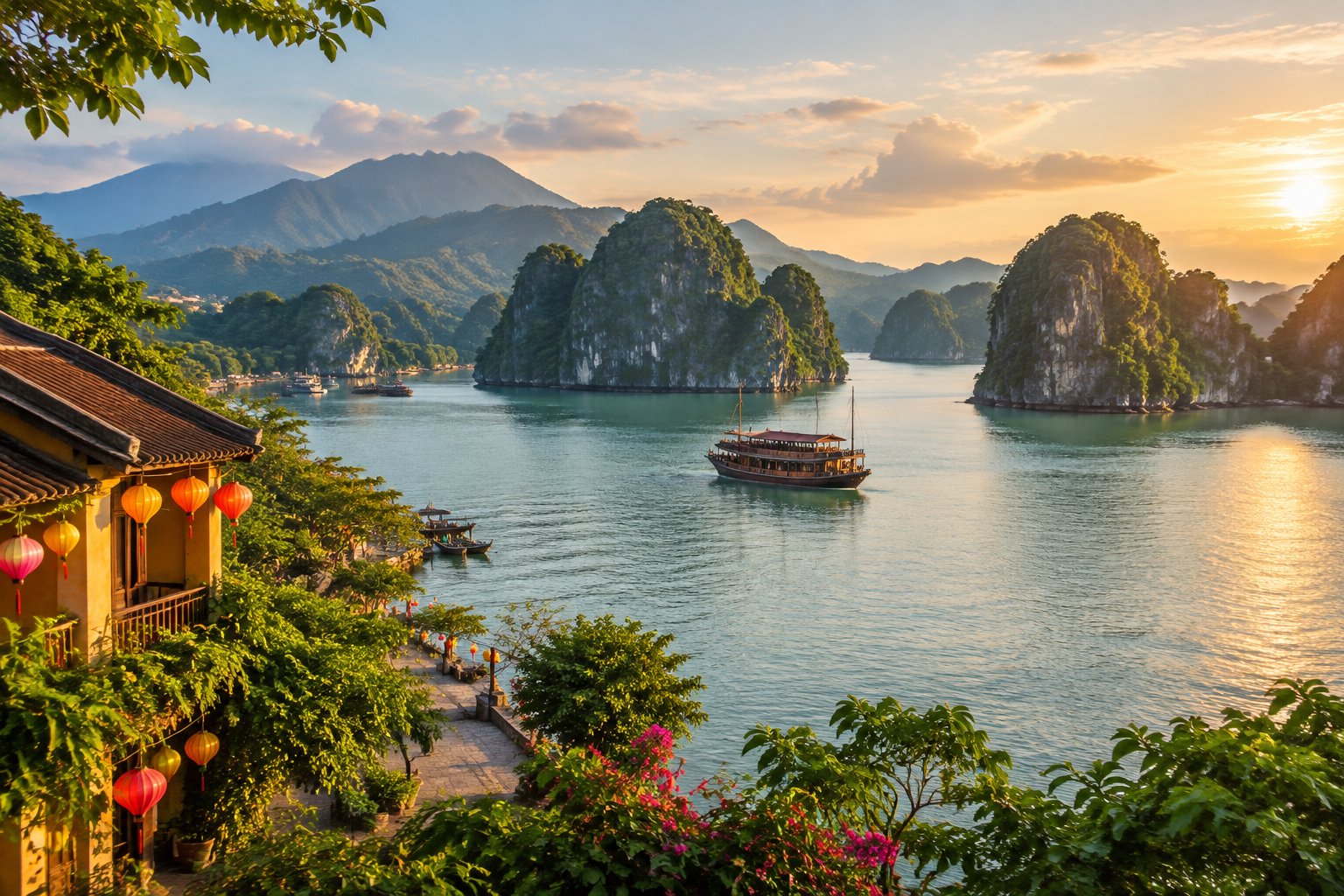
From limestone cruising to street food sampling, the diverse things to do in Vietnam make trip planning exciting. Your route can follow the country from north to south, or focus on one region to avoid long transit times.
Flights connect major destinations, while trains and buses offer overland options; the train journey between Hanoi and Ho Chi Minh City can take up to 30 hours, so factor travel time into your plans (Vietnam’s transport guide).
Key Takeaways
- Pair Hanoi with northern nature for a varied first visit.
- Choose central Vietnam for heritage, beaches, and caves.
- Add southern Vietnam for city energy, delta waterways, and island time.
Northern Vietnam’s Mountain, River, and Bay Escapes
Northern Vietnam combines Hanoi’s historic streets with bay cruises, highland treks, and limestone scenery around Ninh Binh. You can build a route around one or two areas, since each calls for different travel time and weather planning.

Hanoi: Old Quarter, Hoan Kiem Lake, and Egg Coffee
Hanoi makes a strong starting point, with Noi Bai International Airport linking you to the capital and onward domestic routes. Walk the Old Quarter’s busy lanes, circle Hoan Kiem Lake, and visit the Temple of Literature or Ho Chi Minh Mausoleum for a closer look at the city’s history.
A visit to the Temple of Literature showcases traditional architecture and historic scholar courtyards. Meanwhile, touring the Ho Chi Minh Mausoleum provides a memorable tribute to the nation's revered leader.
Pause at a café for Vietnamese egg coffee, then explore on foot. The Old Quarter’s 36 historic streets reward slow wandering, with small shops, pagodas, and street-food stalls (a guide to Hanoi’s Old Quarter).
Ha Long Bay and Lan Ha Bay: Cruises Among Limestone Karsts
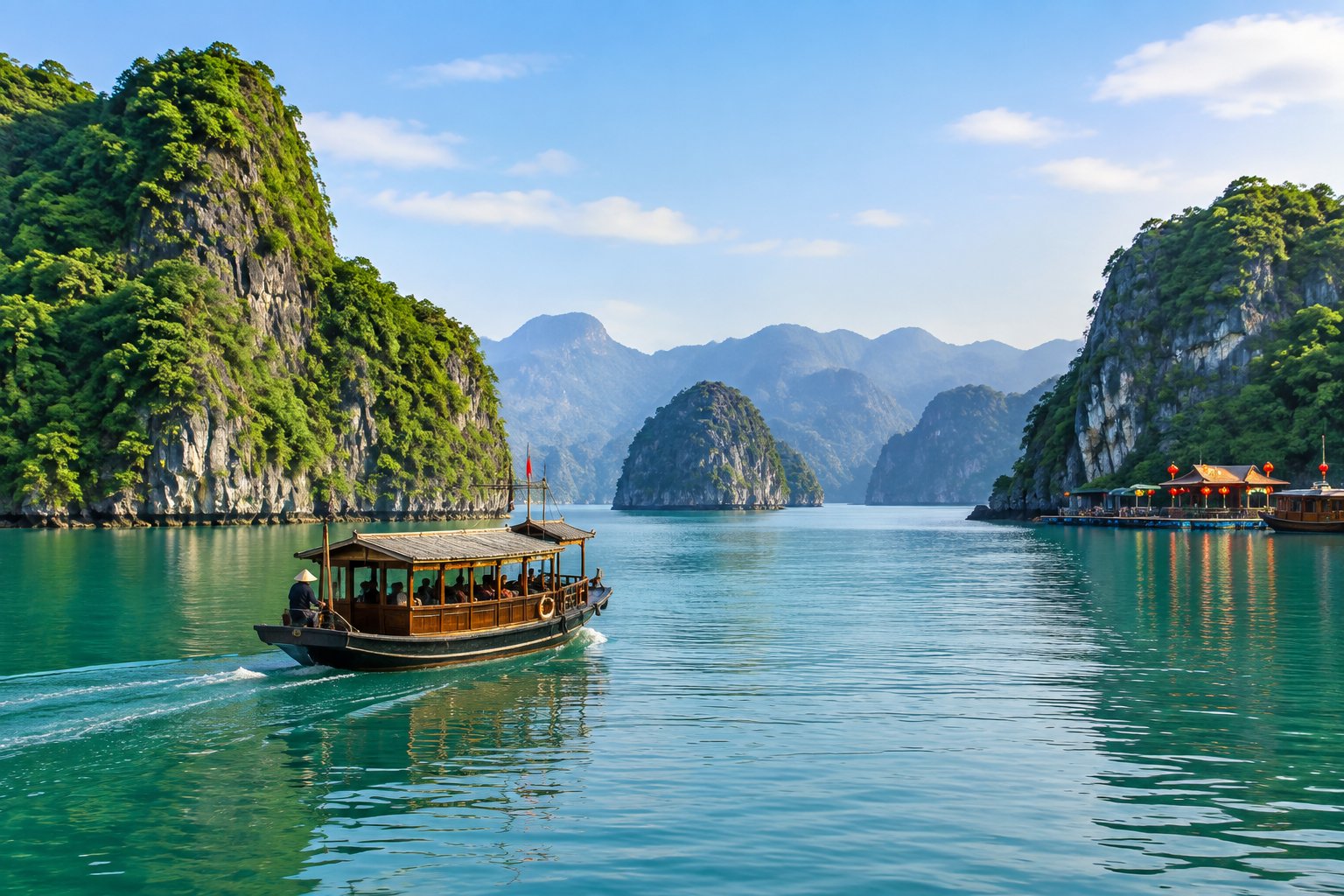
Ha Long Bay and Lan Ha Bay are known for limestone karsts rising from green water, with cruise routes that may include caves, beaches, or kayaking stops.
Taking a scenic Halong Bay boat trip brings you close to majestic islets. Sung Sot Cave is a well-known Ha Long Bay stop, while Cat Ba Island gives you access to Cat Ba National Park and Lan Ha Bay.
Whether cruising through Halong Bay or quieter waters nearby, the scenery is unforgettable. Bai Tu Long Bay offers another northern cruise area.
For clearer, warmer conditions in Ha Long Bay, Vietnam Tourism identifies April to June and September to November as favorable periods; storms can affect cruises at other times (Vietnam’s regional weather guide).
Sapa: Terraced Rice Fields and Mountain Treks
Sapa draws you for terraced rice fields, mountain views, and Sapa trekking routes through areas connected to ethnic minority communities. Fansipan Mountain is the region’s signature summit, and its cable car resumed service on September 28, 2026, after scheduled maintenance (the operator’s current notice).
Conquering Fansipan rewards hikers and sightseers with breathtaking views high above the cloud forest.
Stay in town for easy access to restaurants and day trips, or choose a village guesthouse for a quieter base. Travelers exploring the far north often combine Sapa with scenic road trips through Ha Giang.
Venturing into Ha Giang reveals limestone canyons and thrilling mountain passes. Pack layers regardless: highland climates are cooler than much of Vietnam, especially in winter.
Ninh Binh: Boat Rides at Tam Coc and Trang An
Ninh Binh pairs river journeys with limestone scenery and historic sites. Take a boat through Tam Coc or Trang An, visit Hoa Lu’s former capital area, and climb Mua Cave’s viewpoint for a broad view across the landscape.
Reaching the dragon shrine atop Mua Cave rewards you with stunning panoramas across emerald paddies and karst towers.
Cuc Phuong National Park adds forest trails to a stay in the region. Choose a hotel near Ninh Binh city for dining and transport, or stay closer to the countryside for easier access to the boat routes.
Central Vietnam’s Heritage Towns and Cave Country
Central Vietnam offers imperial history in Hue, preserved streets in Hoi An, coastal time around Da Nang, and cave adventures in Phong Nha. The region works well as a focused trip, with flights and trains helping connect its main stops.

Hue: Imperial Citadel and the Perfume River
Hue is the best central stop for imperial history, with the Citadel, royal landmarks, and the Perfume River shaping the visit. Add Thien Mu Pagoda, then try bun bo Hue, the city’s spicy noodle soup.
Standing gracefully on the riverbank, Thien Mu Pagoda features an iconic seven-tier tower and peaceful gardens. After sightseeing, enjoying a hearty bowl of bun bo Hue delivers an unforgettable mix of lemongrass broth and tender beef.
Choose a central hotel for easier access to restaurants and sights. A riverside stay suits you if you want a quieter base and scenic evening walks.
Hoi An and Da Nang: Lantern-Lit Streets and Beaches
Hoi An gives you a compact historic core, with the Japanese Covered Bridge, the Thu Bon River, and lantern-lit lanes. Strolling past the Japanese Covered Bridge at night lets you see the wooden landmark glowing under colorful lanterns.
Evening boat trips along the Thu Bon River offer magical reflections of floating paper lanterns. Local food stands serve authentic cao lau, pairing savory pork and fresh herbs with thick noodles.
Try cao lau, then make time for An Bang Beach; official resort information places Anantara Hoi An Resort less than a kilometer from the historic quarter and notes An Bang Beach is around 5 kilometers away (Anantara Hoi An Resort details).
Da Nang adds My Khe Beach, the Marble Mountains, and Dragon Bridge. Swimming and relaxing at My Khe Beach is easy thanks to its long coastline and nearby seaside cafes.
Exploring the caves and scenic viewpoints throughout the Marble Mountains reveals hidden Buddhist sanctuaries. After dusk, gathering near the Han River lets you watch Dragon Bridge illuminate the water with dazzling displays.
Food lovers can pause here to taste authentic mi quang noodles before touring the city. Savoring rich mi quang bowls with roasted peanuts and crisp rice crackers highlights central Vietnam's culinary charm.
Visiting Ba Na Hills is popular for mountain entertainment, where the Golden Bridge appears held aloft by giant stone hands.
A day trip to Ba Na Hills and the Golden Bridge pairs well with a journey over the Hai Van Pass. Riding across the Hai Van Pass treats you to dramatic mountain curves and sweeping ocean vistas between Da Nang and Hue.
Phong Nha-Ke Bang: Caves and Jungle Adventures
Phong Nha-Ke Bang National Park suits you if caves and outdoor travel are high on your list. Exploring Phong Nha-Ke Bang National Park reveals pristine primary forests and ancient karst river systems.
Phong Nha Cave and Paradise Cave are popular choices, while Dark Cave adds an active visit with water and adventure activities. A journey into Dark Cave features exhilarating zip-lining, swimming through dark chambers, and soaking in buoyant mud baths.
Wooden walkways make Paradise Cave simple to navigate while admiring its colossal stalagmites.
Son Doong Cave requires a guided expedition and a high level of fitness. Known globally as the largest cavern on earth, Son Doong Cave features its own underground weather system and jungle.
Its operator describes a six-day, five-night trip with strenuous trekking and cave travel, so plan well ahead if you want that demanding experience (Son Doong expedition details).
Southern Vietnam’s City, Delta, and Island Highlights
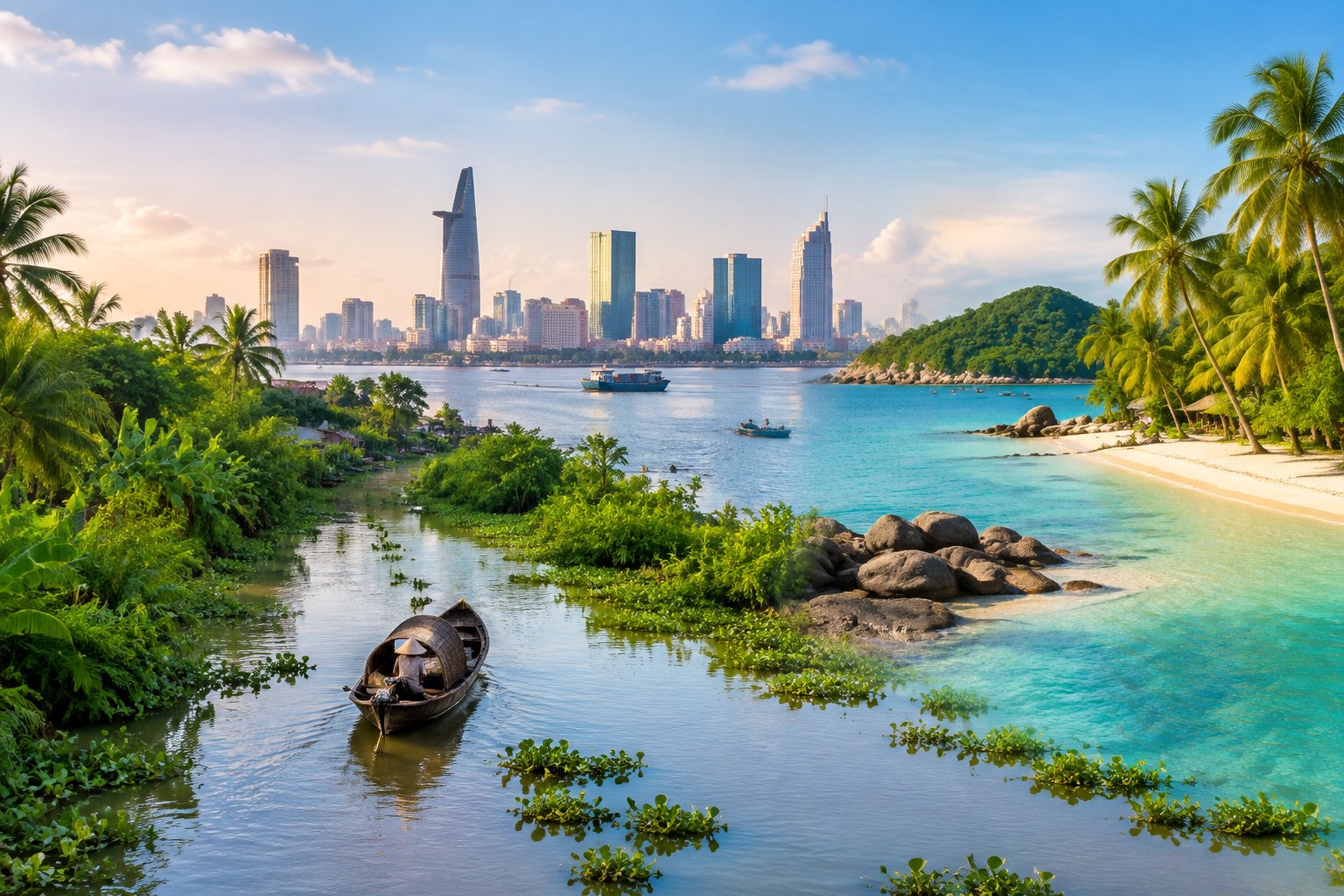
Southern Vietnam brings together Ho Chi Minh City’s museums and food scene, the Mekong Delta’s waterways, and Phu Quoc’s beaches. You can balance city days with a delta visit or finish your trip with island downtime.
Ho Chi Minh City: War History and Saigon Street Food
Ho Chi Minh City, also called Saigon, is a lively base for museums, markets, and street food. Visit the War Remnants Museum, explore Ben Thanh Market, and consider a guided trip to the Cu Chi Tunnels for more context on wartime history.
Inside Ben Thanh Market, you will find bustling aisles packed with local handicrafts, textiles, and authentic dining counters.
Exploring the historic Cu Chi Tunnels offers fascinating insights into underground survival tactics. Meanwhile, the War Remnants Museum presents thoughtful wartime documentation, so allow time to take it in. A visit to the War Remnants Museum provides essential perspective on modern history.
For dinner, look for saigon street food and try banh xeo, a crisp savory pancake.
Mekong Delta: Canals and Cai Rang Floating Market
The Mekong Delta gives you a slower view of southern life along canals, orchards, and riverside towns. Cai Rang Floating Market is a popular early-morning visit near Can Tho; local tourism information recommends arriving between 5 and 8 a.m., when trading is busiest (Cai Rang Floating Market visitor information).
Stay overnight in Can Tho if you want to reach the market early without a long dawn transfer. A boat trip through smaller canals offers a different pace from the market’s busier river traffic.
Phu Quoc: Island Beaches and Bai Sao
Phu Quoc Island is a strong choice for beach days, swimming, and resort stays. Bai Sao is one of the island’s best-known beaches, while the west coast offers sunset views and a wide range of accommodation.
The island’s dry season runs from October to June, while July to September brings stormier weather that can affect beaches and ferry travel (Vietnam’s climate guide). Pick a resort near the beach if you want easy access to the water and on-site dining.
How to Choose Your Route and Where to Stay
A strong Vietnam itinerary gives each region enough time for its main experience and limits long transfers. For getting between major destinations, flights save time, while trains connect the north and south and stop at central cities (Vietnam transport options).

How Many Days Should You Spend in Vietnam?
Give yourself at least two weeks if you want to combine northern, central, and southern Vietnam without rushing. With less time, choose one region or connect two nearby hubs, such as Hanoi with Ninh Binh or Hoi An with Da Nang.
Build travel days into your plan. Vietnam is long, and an overnight train or a flight can take a meaningful share of a short trip.
Which Region Is Right for Your First Visit?
Choose northern Vietnam for Hanoi, bay cruises, mountains, and river landscapes. Central Vietnam suits you if you want heritage towns, beaches, and caves within one broad region, while southern Vietnam is a good fit for city life, delta waterways, and island stays.
For a first visit, Hanoi and Ho Chi Minh City are useful gateways with distinct food, history, and city character. Add one regional stop that matches your main interest.
How to Match Hotels to Your Travel Style
Choose a city hotel when you want walkable dining and transport, a countryside lodge for access to outdoor activities, or a resort for pool and beach time. In Hoi An, Anantara Hoi An Resort sits less than a kilometer from the historic quarter and offers riverfront accommodation; in Hue, Asia Hotel is centrally located near the Citadel and Dong Ba Market (Hue hotel details).
For a nature-focused stay in Ninh Binh, Pullman Ninh Binh describes its location as a gateway to Trang An and Tam Coc (Pullman Ninh Binh hotel information). Match your base to the sights you plan to visit, then check transfer times before booking.
Choose Hotspots That Fit Your Travel Style
The best places to visit in Vietnam are the ones that match your pace: choose Hanoi and Ho Chi Minh City for urban energy, Sapa or Phong Nha for outdoor challenges, and Hoi An or Phu Quoc for a slower stay. Discovering the top 10 places to visit in Vietnam helps ensure you experience the country's diverse landscapes and regional traditions.
Reviewing the top 10 hotspots in Vietnam makes it easy to balance vibrant cities with peaceful countryside retreats.
You can also combine a city with one nearby nature stop to add variety without changing hotels every day.
Those seeking lively coastal resorts can head to Nha Trang for water sports and vibrant nightlife. Sunbathing along Nha Trang Beach offers an easy alternative to island getaways.

For a first Vietnam travel plan, choose a gateway city, add one destination in the same region, and leave time for travel between stops. If beaches are your priority, check the regional weather before settling on dates, since conditions vary across the country.
Frequently Asked Questions
What are the top tourist hotspots in Vietnam?
The top 10 places to visit in Vietnam include Hanoi, Halong Bay, Sapa, Ninh Binh, Hue, Hoi An, Da Nang, Phong Nha, Ho Chi Minh City, and Phu Quoc. Together, they cover city culture, heritage, mountains, caves, waterways, and beaches.
Where should I visit in Vietnam for the first time?
Start with Hanoi if you want history, food, and access to northern landscapes. Add Hoi An or Ho Chi Minh City if you have enough time for another region.
What is the nicest part of Vietnam to visit?
Hoi An is a strong choice if you want a walkable historic town, nearby beaches, and a relaxed pace. For mountain scenery, choose Sapa; for a beach stay, consider Phu Quoc.
Which Vietnam hotspots are best for couples?
Hoi An and Phu Quoc suit couples looking for attractive stays and time to unwind. Ha Long Bay is another good option if you want a cruise among limestone islands.
What are the top five cities to visit in Vietnam?
Hanoi, Ho Chi Minh City, Hue, Hoi An, and Da Nang make a useful top-five city list. They offer a mix of history, food, architecture, and access to nearby beaches and landscapes.
Comments