Tanzania brings together classic wildlife safaris across East Africa, a high-altitude climb, historic coastal towns, and Indian Ocean islands. The top 10 hotspots in Tanzania range from Serengeti National Park and Ngorongoro Crater to Zanzibar, with distinct stays that place you close to the experience you came for.
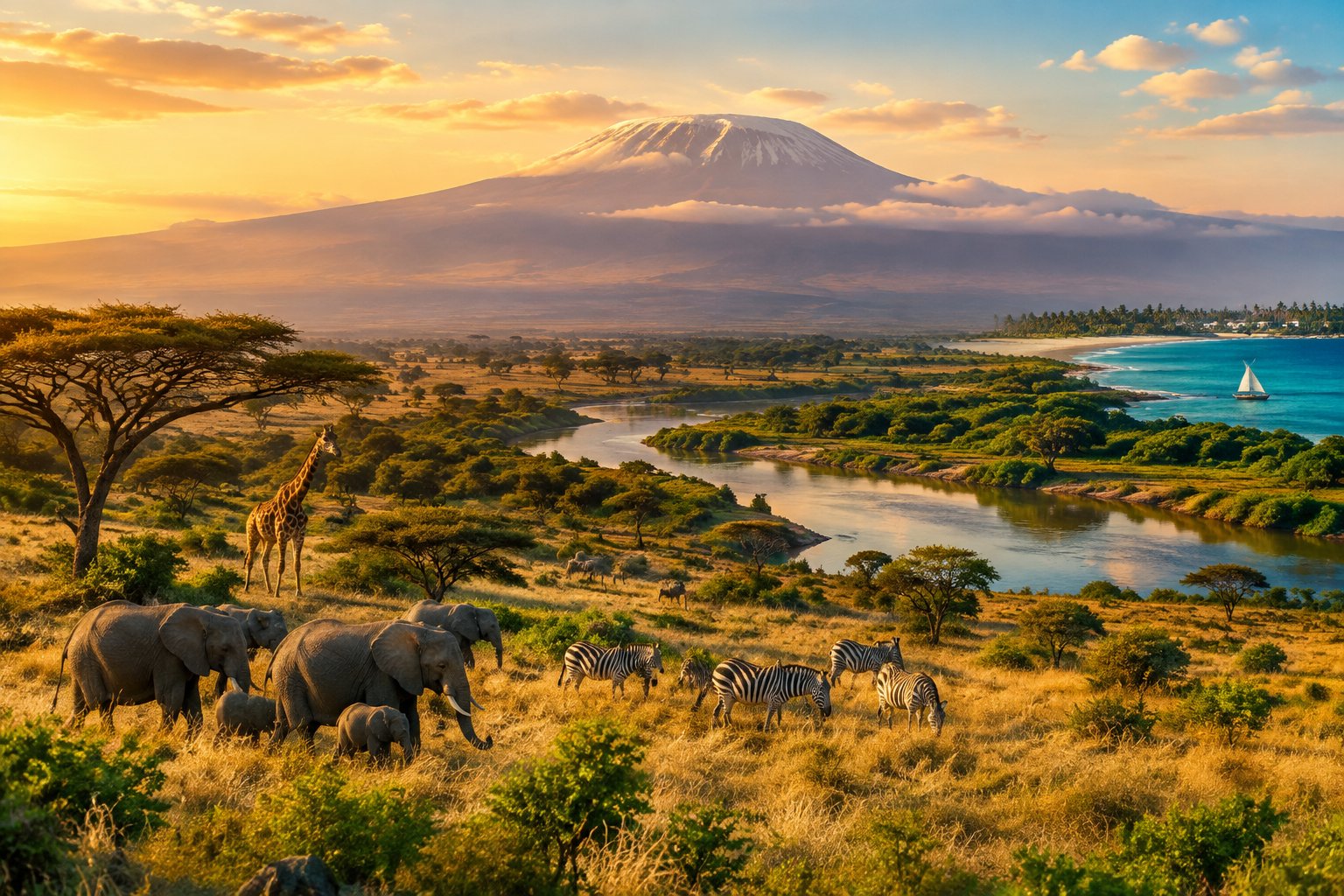
For your Tanzania travel plans, the best places to visit in Tanzania depend on how you want to spend your days: tracking wildlife, hiking, exploring Swahili culture, or unwinding by the sea. Many of the best places to visit in Tanzania can be linked seamlessly on a single journey.
Use the stays and route ideas below to match your trip length and interests.
Key Takeaways
- Pair Serengeti and Ngorongoro for a classic northern safari.
- Add Zanzibar or Mafia Island for coastal time.
- Reserve extra days for Mount Kilimanjaro or remote Mahale.
Serengeti National Park: The Great Migration
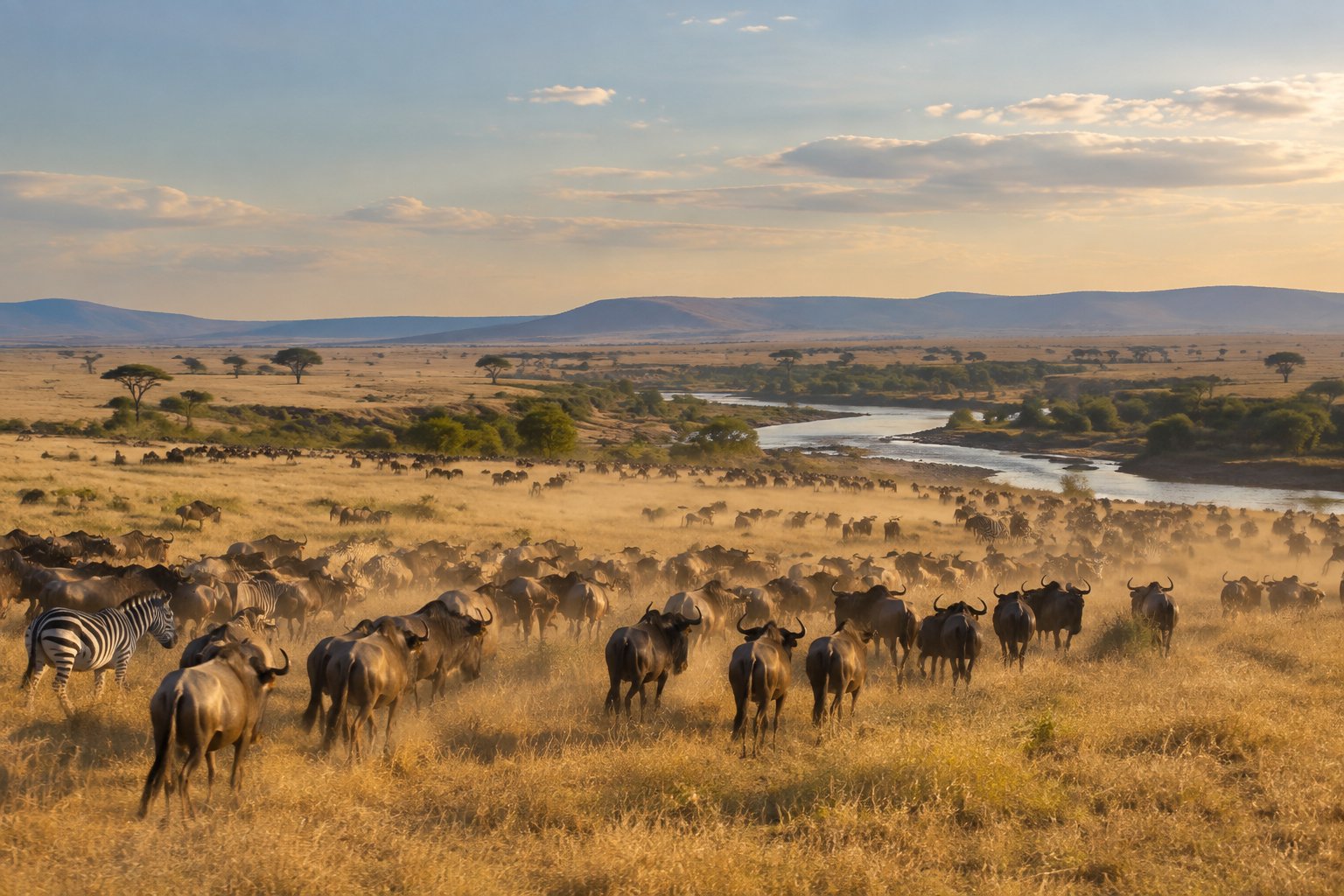
Serengeti National Park is Tanzania’s signature safari destination, known for broad plains, abundant wildlife, and the Great Migration. It represents the quintessential savanna experience in East Africa. The wildebeest migration follows rainfall and fresh grazing, so the best area for viewing shifts through the year.
The Serengeti's 3 Absolute Highlights
- Great Migration: Follow the moving herds with a guide; the wildebeest migration offers dramatic sightings that shift through the seasons.
- Big Five game drives: Look for lion, leopard, elephant, buffalo, and rhinoceros across different habitats.
- Hot-air balloon safari: A dawn flight gives you a wide view of the plains before a day of game viewing.
Where to Stay Near the Serengeti
Choose a camp or lodge inside the park to spend less time transferring between wildlife areas. Four Seasons Safari Lodge Serengeti sits within the park and offers game drives and hot-air balloon safaris; tented camps provide a closer-to-the-bush style of stay.
For your Serengeti safari, compare lodge and camp locations with the wildebeest migration path expected during your travel dates.
Ngorongoro Crater: Wildlife and Highland Scenery
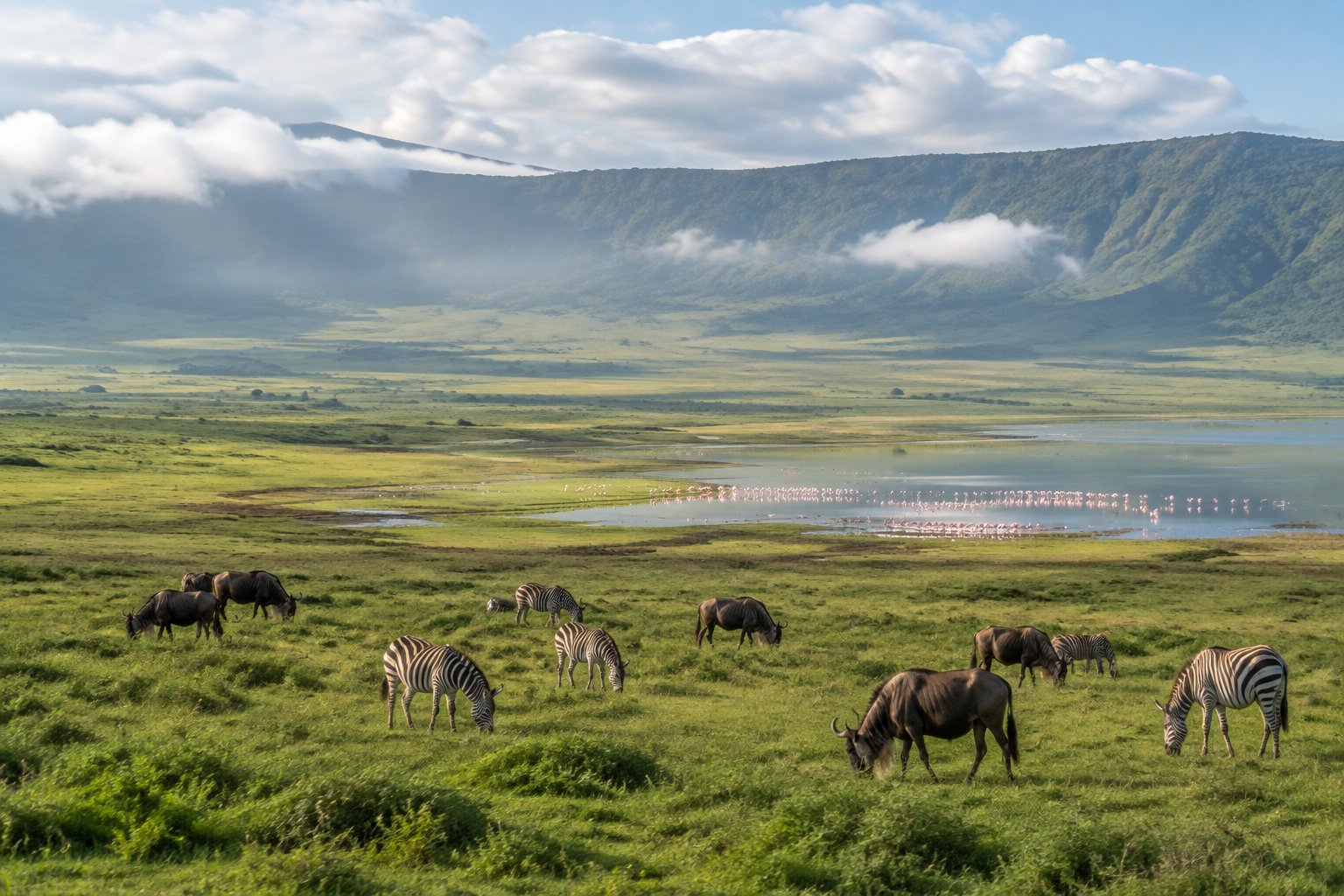
Ngorongoro Crater combines a compact wildlife-viewing area with dramatic highland scenery. Staying near the crater rim gives you an early start for a descent into the caldera.
The surrounding Ngorongoro Conservation Area protects diverse highland ecosystems and ancient hominid fossils alongside traditional pastoral communities.
Ngorongoro's 3 Absolute Highlights
- Crater game drive: Scan the crater floor for wildlife across grassland, woodland, and wetland.
- Olduvai Gorge: Add a visit to this important archaeological site in the Great Rift Valley, located right within the Ngorongoro Conservation Area.
- Maasai culture: Learn about local life through a respectful, locally guided visit to Maasai villages. Visiting traditional Maasai villages allows you to engage with pastoralist customs directly.
Where to Stay Near Ngorongoro
Stay on the rim for crater views and a shorter start to your drive, or base yourself in Karatu for a wider choice of lodges. Ngorongoro Serena Safari Lodge is perched on the crater rim, with rooms overlooking the caldera.
If you plan to continue north, ask your operator about linking the crater with Lake Natron, lesser flamingos, and Ol Doinyo Lengai. The mineral-rich flats of Lake Natron create a surreal volcanic landscape worth the extra detour.
Mount Kilimanjaro: The Summit Challenge
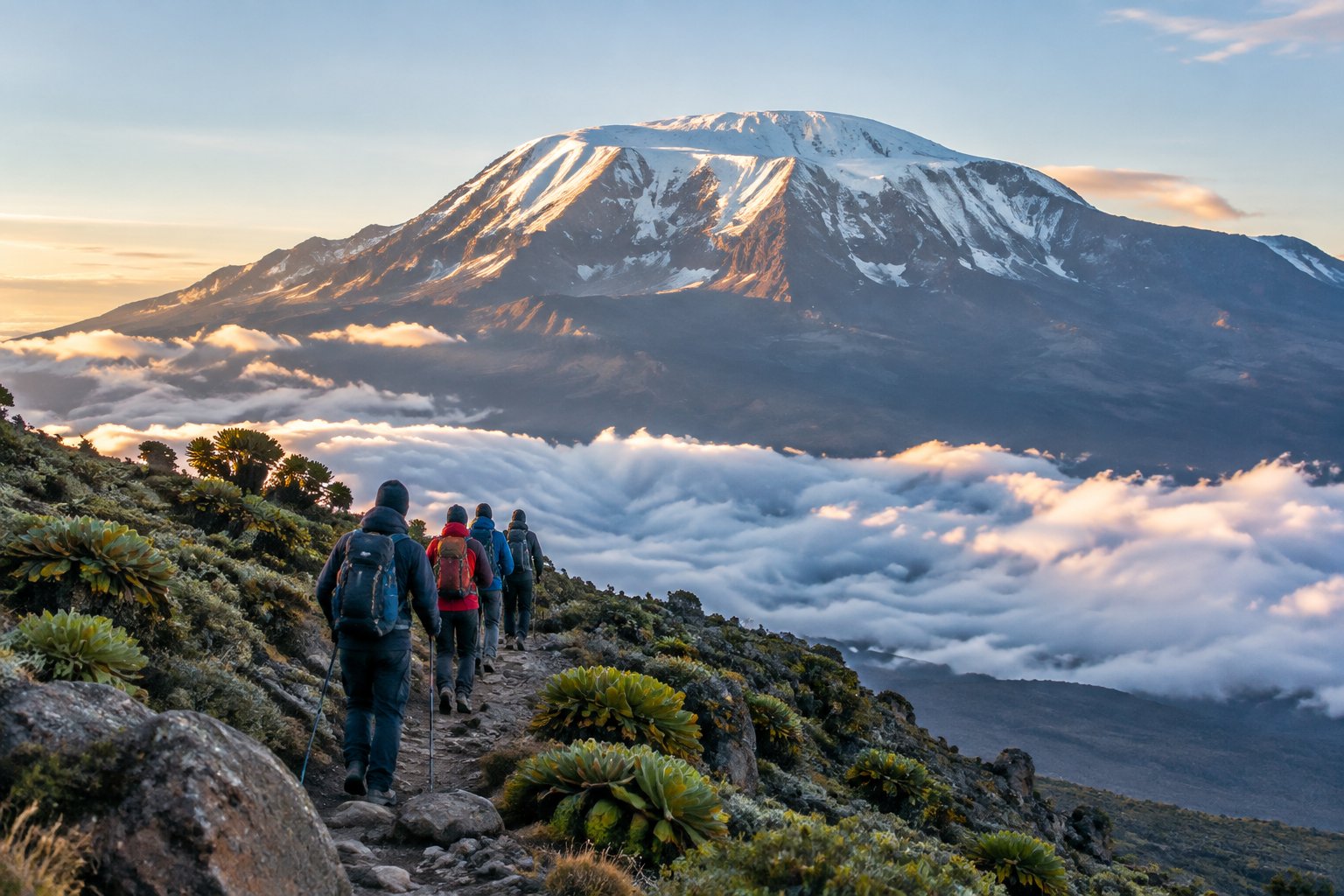
Mount Kilimanjaro is the centerpiece of Tanzania’s high-altitude trekking, with Uhuru Peak as the goal for climbers. Your Kilimanjaro climb requires several days on the mountain, and a stay in Moshi or Arusha before and after the trek gives you time to prepare and recover.
Kilimanjaro's 3 Absolute Highlights
- Uhuru Peak: Reach the summit on a guided trek through changing mountain zones. Reaching Uhuru Peak marks the ultimate pinnacle of the trek at 5,895 meters.
- Kilimanjaro National Park: Take in the rainforest, moorland, and high-altitude landscapes along your chosen route.
- A local base town: Moshi gives you a practical place to meet your crew, check gear, and rest before the climb.
Where to Stay Before and After the Climb
Pick a Moshi hotel with space to organize luggage and rest before your trek; arrange your post-climb night there too, especially if you need a shower and a full night’s sleep. Kilimanjaro Climbers Hotel is one Moshi option with a tour desk, bar, and airport shuttle.
Staying close to the base of Mount Kilimanjaro ensures relaxed transfers on your summit day. Choose your accommodation around your operator’s meeting point and transfer plan.
Zanzibar and Stone Town: Island Culture and Beaches
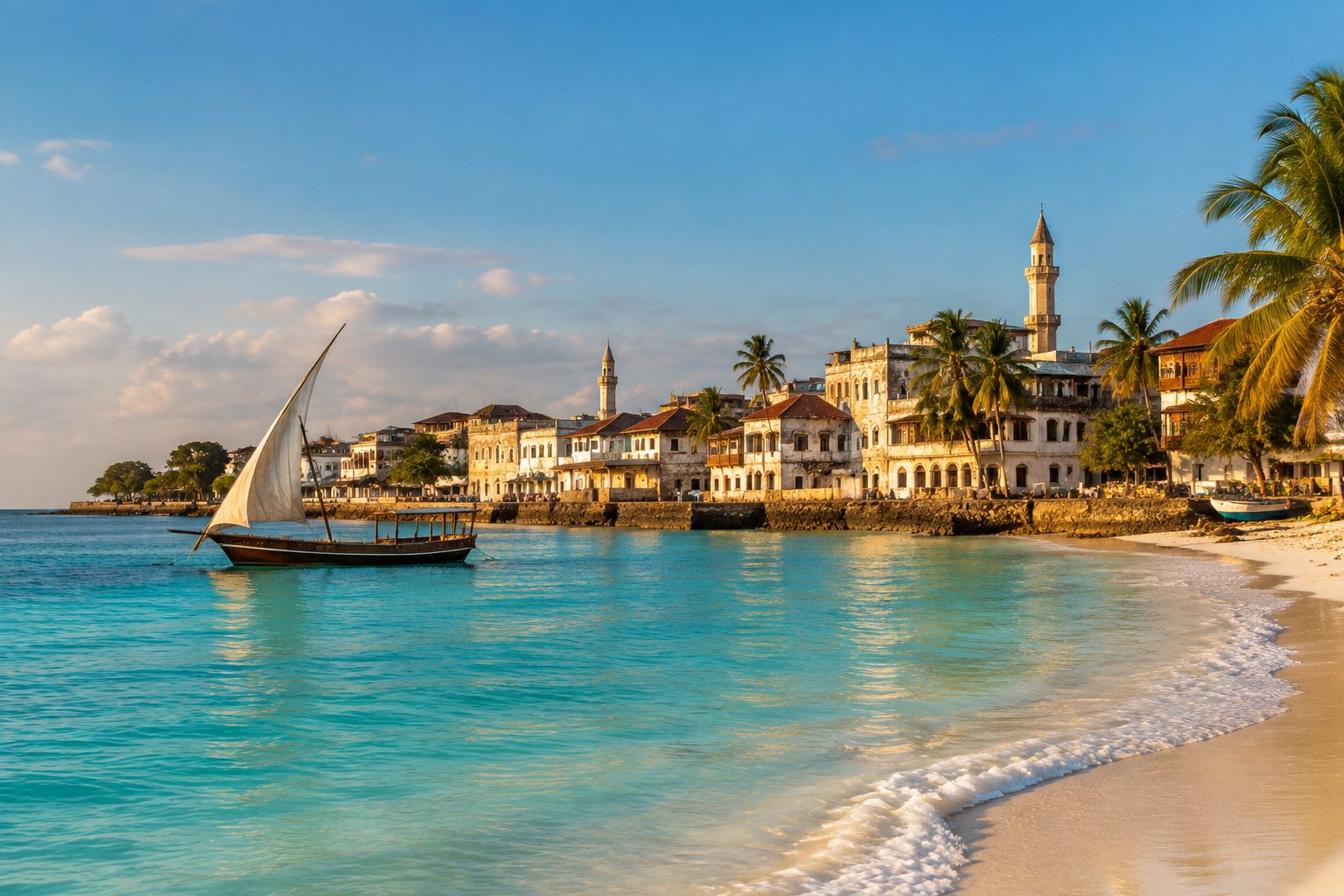
Zanzibar offers a strong mix of historic streets, Swahili culture, and beach time. Divide your stay between Stone Town and a beach area to enjoy both the island’s heritage and its coast.
Zanzibar's 3 Absolute Highlights
- Stone Town: Explore its lanes, markets, and historic waterfront.
- Swahili culture: Look for local influences in the town’s architecture, food, and daily life.
- Mnemba Atoll: Plan a boat trip for snorkeling or diving in the surrounding waters.
Where to Stay in Stone Town and Zanzibar
Choose Zanzibar Serena Hotel for a historic seafront base in Stone Town, or Zanzibar White Sand Luxury Villas & Spa on Paje Beach for a resort stay. The two locations suit different parts of an island itinerary, so allow time for the transfer between them.
Pick your beach area based on the activities you want, then leave Stone Town time for walking and local food.
Tarangire National Park: Elephants and Baobabs
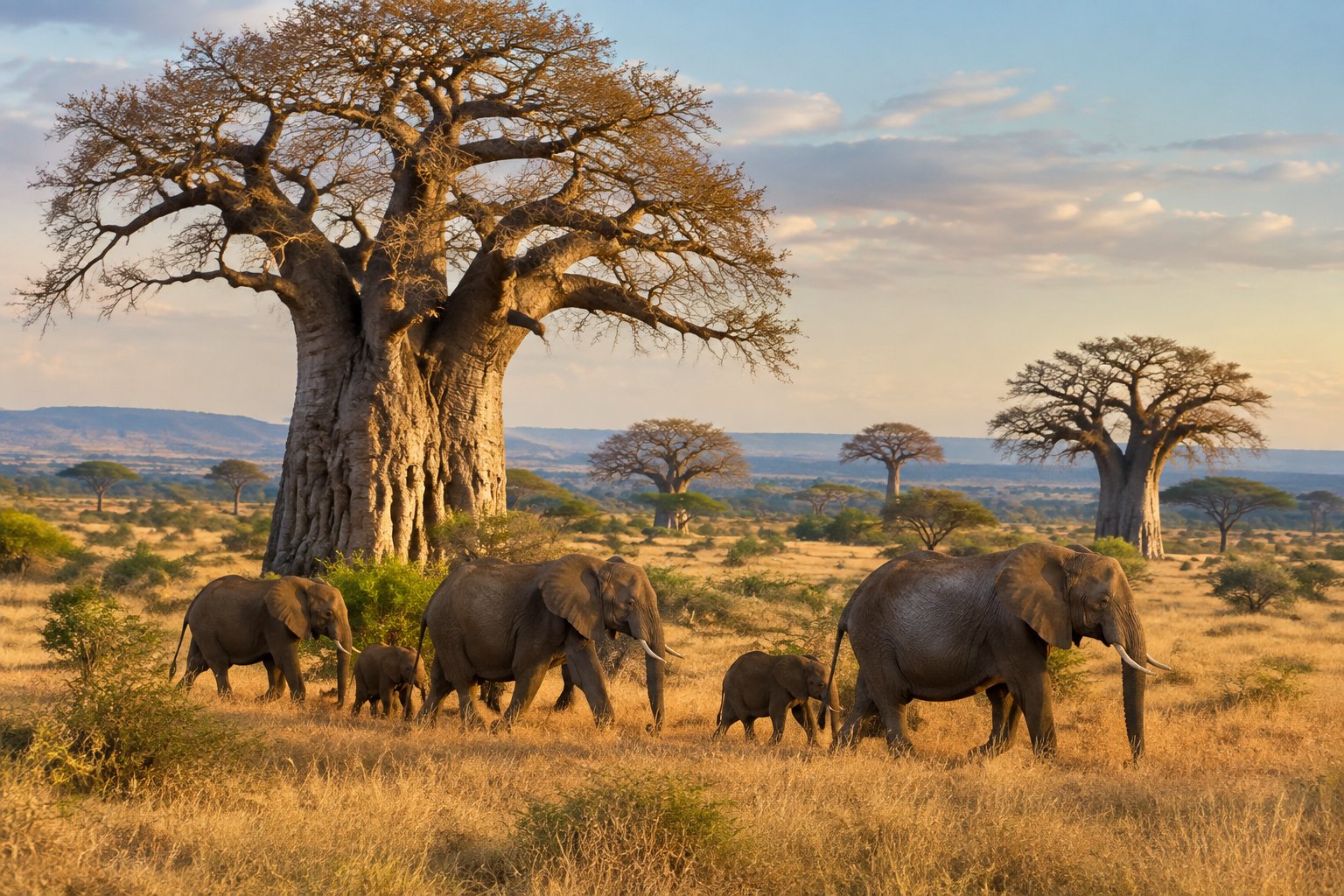
Tarangire National Park stands out in northern Tanzania for its elephant herds and baobab-studded landscapes. It fits naturally into a northern safari route that starts or ends around Arusha.
During the dry months, large elephant herds congregate along the Tarangire River to dig for fresh water beneath sandy riverbeds.
Tarangire's 3 Absolute Highlights
- Elephant herds: Watch elephants move through the park’s varied habitats.
- Baobab scenery: Look for the large trees that shape the park’s distinctive landscape.
- Northern circuit pairing: Combine Tarangire National Park with Lake Manyara, Ngorongoro, or the Serengeti.
Where to Stay Near Tarangire
Choose a lodge or tented camp inside or near the park, based on how close you want to be to the gates and wildlife areas. Tarangire Safari Lodge offers a park-side base, while options in the surrounding area include tented camps.
Basing yourself inside Tarangire National Park allows you to start morning drives before day visitors arrive. Arrange your nights around your game-drive schedule and the next stop on your northern Tanzania route.
Lake Manyara National Park: Forest and Flamingos
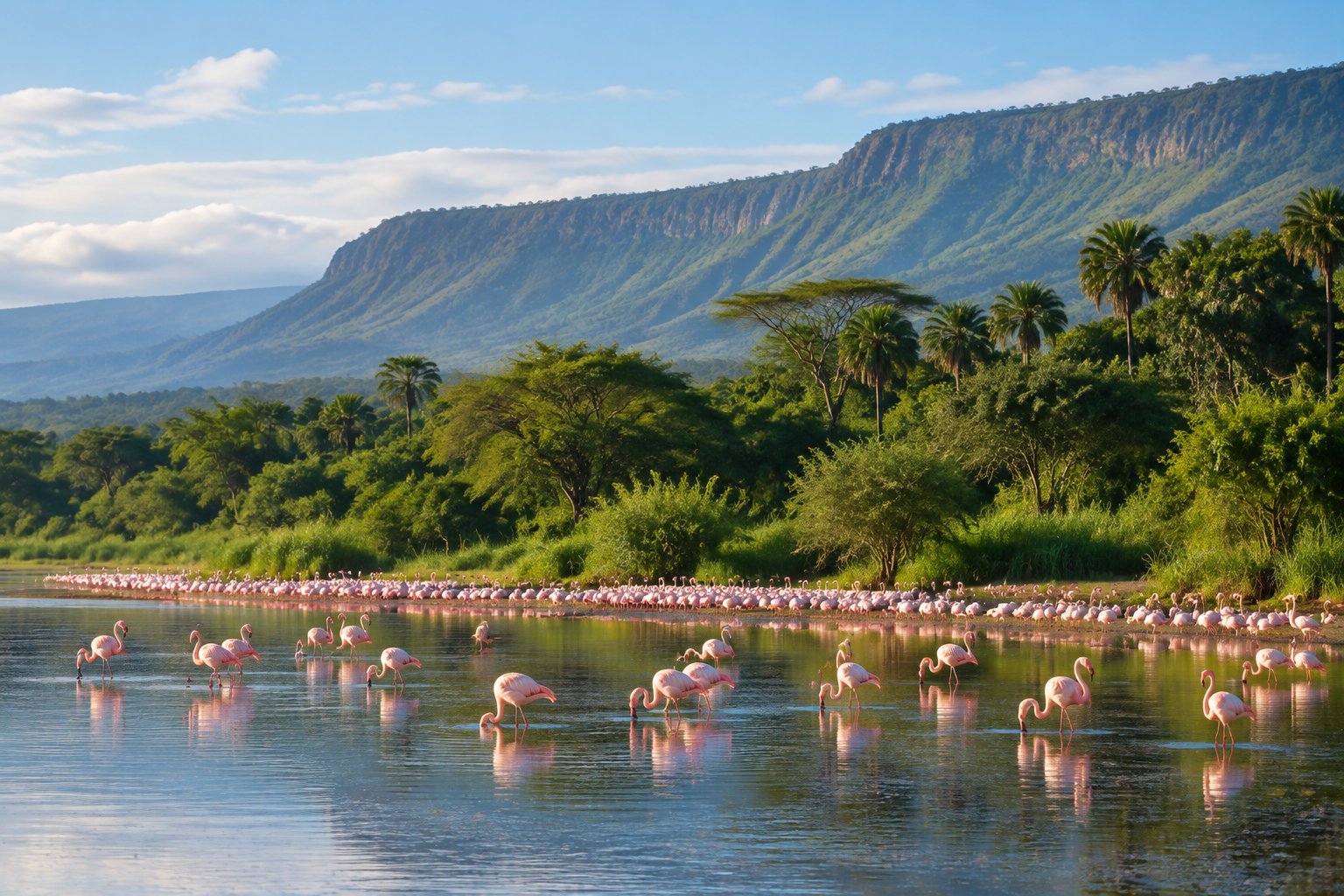
Lake Manyara National Park offers a change of scenery, nestled directly beneath the steep escarpment of the Great Rift Valley. It works well as a shorter stop between Tarangire and Ngorongoro.
The park is celebrated for varied habitats and unusual wildlife behavior, including sightings of tree-climbing lions resting high in the branches.
Lake Manyara's 3 Absolute Highlights
- Lake Manyara: Look for birdlife along the lake and its edges.
- Forest drives: Explore groundwater forests in Lake Manyara National Park for scenic scenery distinct from open savanna plains.
- Tree-climbing lions: Keep an eye on branches as you travel through lion habitat; sightings are never guaranteed.
Where to Stay Near Lake Manyara
Stay near the park for a convenient game drive, or choose a Karatu base if you are connecting several northern circuit stops. Lake Manyara Serena Safari Lodge overlooks the Great Rift Valley from the escarpment and offers a relaxed base between drives.
Give Lake Manyara National Park enough time to explore its different habitats before continuing toward Ngorongoro. Morning drives through the woodland offer your best chance to spot tree-climbing lions lounging in acacia canopies.
Nyerere National Park: River Safaris in the South
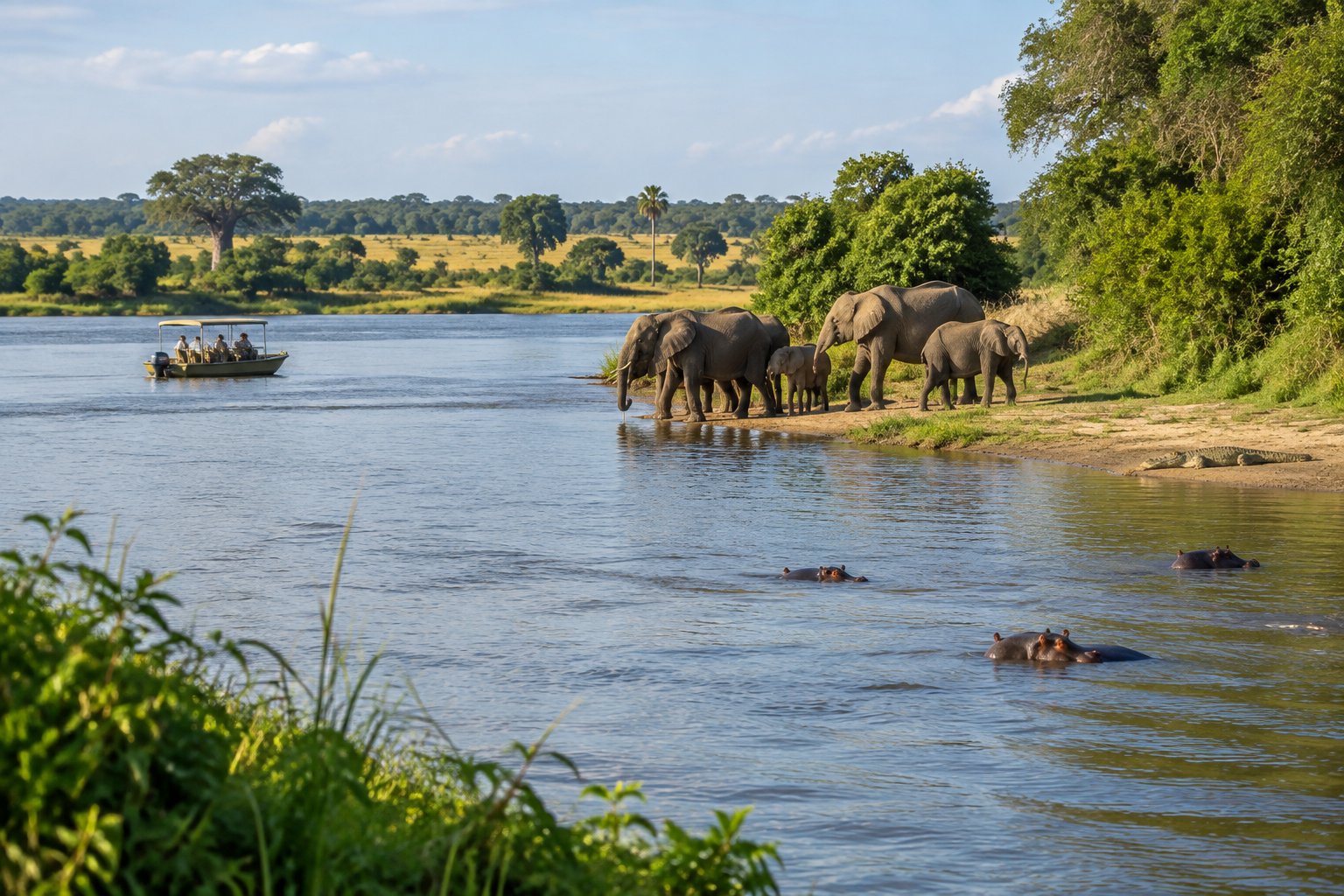
Nyerere National Park is a southern safari choice where the Rufiji River adds boat trips to game drives and walking safaris. Often known to safari travelers simply as Selous, this expansive reserve suits visitors seeking a quieter stay.
The park includes much of the former Selous Game Reserve, preserving vast stretches of untamed African savanna. Cruising along the wide waters of the Rufiji River brings you face-to-face with hippo pods and nesting waterbirds.
Nyerere's 3 Absolute Highlights
- Rufiji River: Take a boat safari to view hippos, crocodiles, birds, and wildlife along the banks.
- Stiegler’s Gorge: Include the gorge area in your safari plans with your camp or guide.
- Walking safari: Explore on foot with an authorized guide and look for signs of wildlife, including African wild dogs.
Where to Stay in Nyerere
A lakeside camp near Lake Nzerakera or Lake Manze puts game drives, boat safaris, and walks within reach. Siwandu and Lake Manze Tented Camp are examples of camps in this area; riverfront lodges offer a different setting along the Rufiji.
Lodges within this former Selous Game Reserve territory offer unfenced, authentic wilderness immersion. Exploring the vast expanses of the Selous Game Reserve heritage gives you access to untamed wilderness away from tourist crowds.
A safari in Selous provides unique water-based wildlife viewing that pairs well with traditional open-vehicle game drives. Stay for at least two or three nights in one camp to reduce transfers and give yourself time on the water and in the bush.
Ruaha National Park: A Quieter Safari
Ruaha National Park is a remote southern destination with baobab country, river landscapes, and a quieter safari feel. The Ruaha River draws wildlife and gives you a natural focus for game drives and guided walks.
The park is also celebrated for supporting huge elephant herds that move between rocky kopjes and baobab forests.
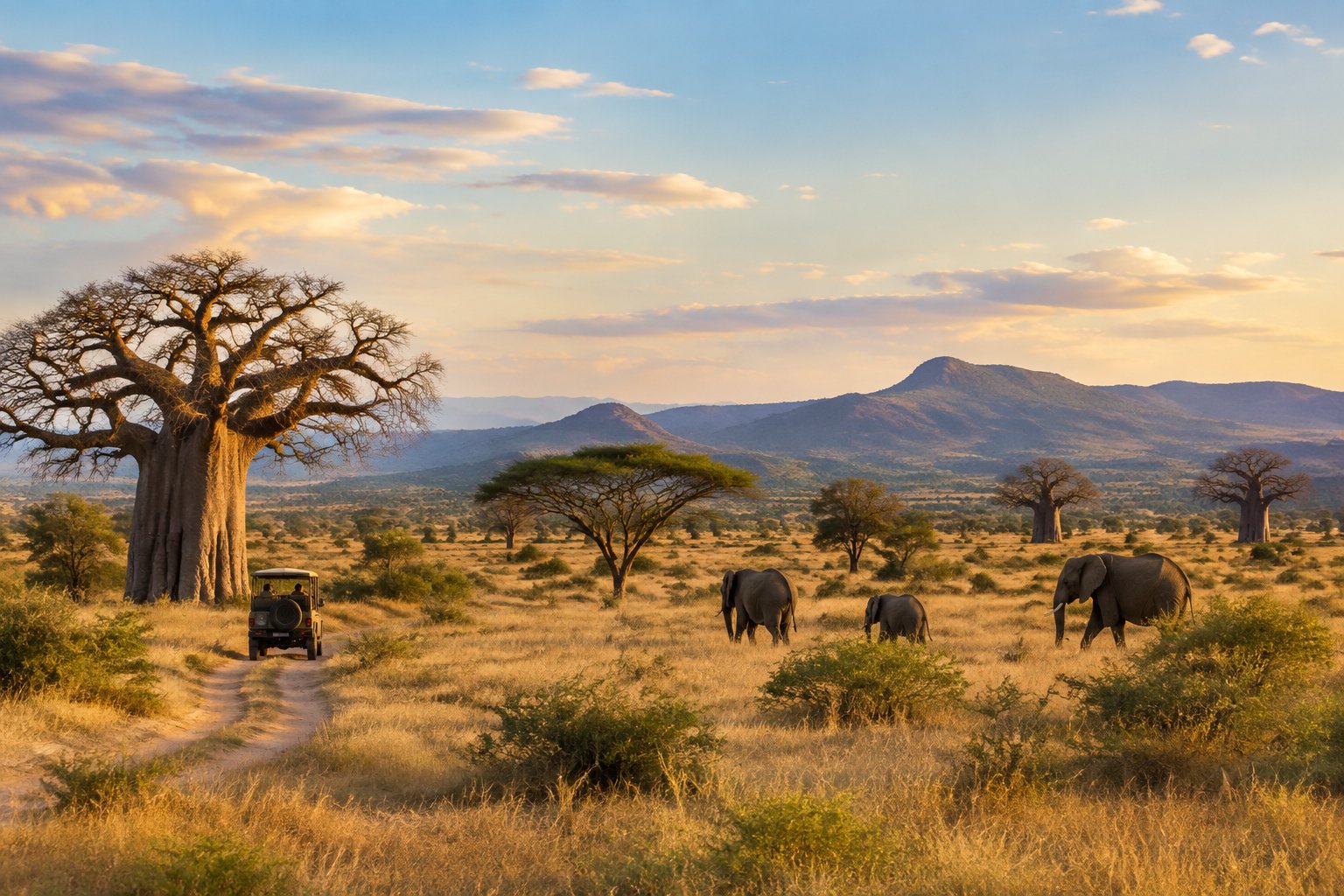
Ruaha's 3 Absolute Highlights
- Ruaha River: Explore riverbanks where animals gather around water.
- Walking safari: Join a guided walk to read tracks and notice smaller details in the landscape.
- Remote park setting: Build in enough nights to make the journey worthwhile and enjoy varied game drives across Ruaha National Park.
Where to Stay in Ruaha
Choose a camp inside or near the park so your safari days start close to wildlife areas. Jabali Ridge offers a lodge stay in the park, while Ruaha River Lodge is set beside the Ruaha River.
Spending several nights in Ruaha National Park allows you to reach remote sectors rich in predator populations. Mikumi National Park and Katavi National Park are other southern and western safari choices, each requiring its own route planning.
For adventurous wildlife seekers, Katavi National Park offers dramatic scenes of giant hippo pods and cape buffalo herds battling during the dry season.
Mafia Island: Reefs and Whale Sharks
Mafia Island is a marine escape known for reefs, snorkeling, and seasonal whale shark excursions. Its location south of Dar es Salaam makes it a distinct coastal add-on to a mainland trip.
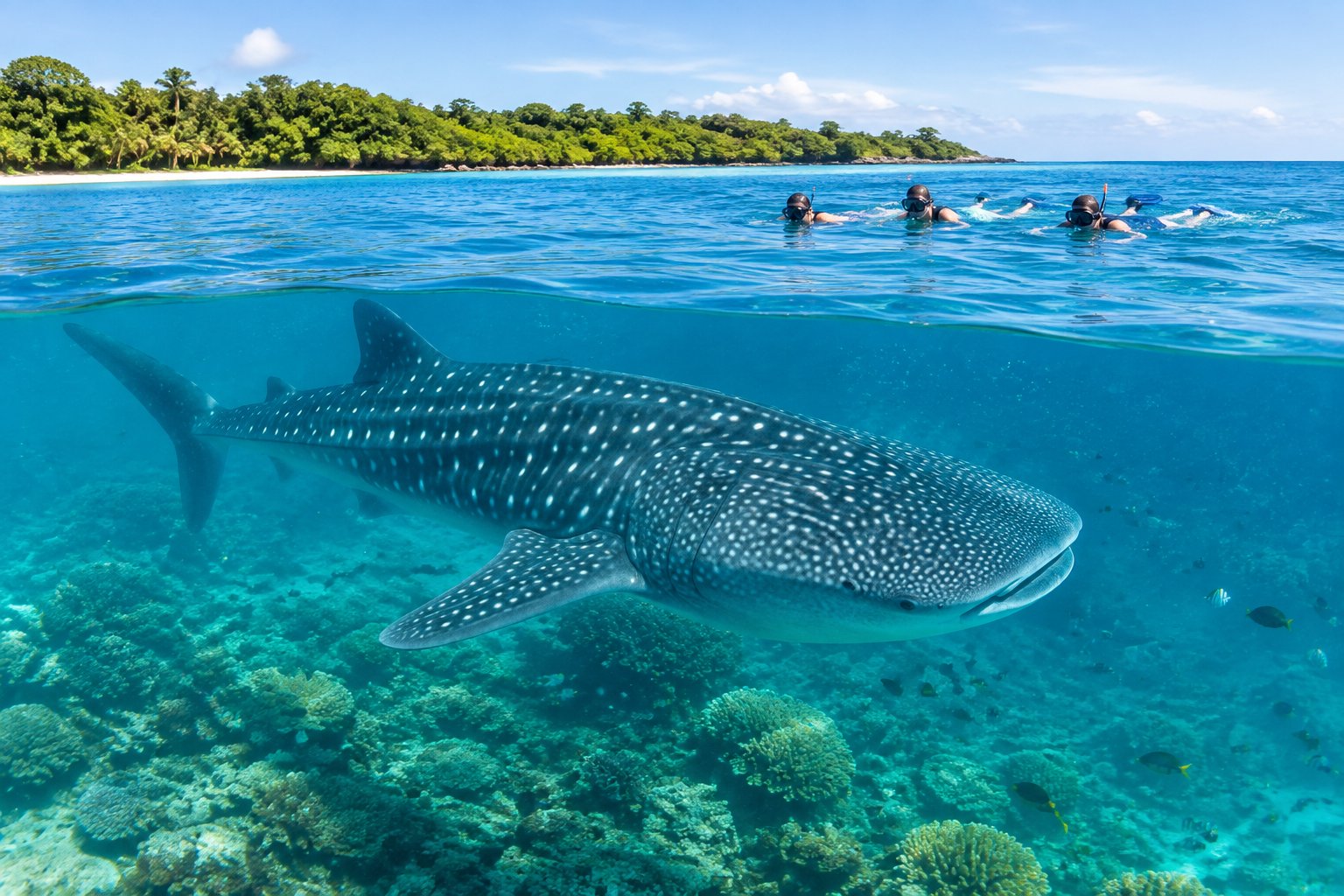
Mafia Island's 3 Absolute Highlights
- Whale sharks: Join a guided excursion when conditions and season allow.
- Mafia Island Marine Park: Explore the protected waters around Chole Bay by snorkel or dive.
- Island pace: Set aside time for a quiet beach day or a local cultural outing.
Where to Stay on Mafia Island
Kinasi Lodge overlooks Chole Bay and offers marine activities, including diving, snorkeling, and whale shark excursions. Pole Pole Bungalows is another island stay, with access by light aircraft and a road transfer from the airstrip.
Plan your flight connection from Dar es Salaam as part of your island transfer.
Mahale Mountains: Chimpanzees by Lake Tanganyika
Mahale Mountains National Park pairs guided chimpanzee trekking with forest, mountains, and Lake Tanganyika shoreline. Its remote western location calls for careful planning around flights and boat transfers.
As one of the most secluded parks in the country, Mahale Mountains National Park offers intimate wildlife encounters amid misty forested slopes.
Mahale's 3 Absolute Highlights
- Chimpanzee trekking: Track habituated chimpanzees with authorized rangers and follow their viewing rules.
- Lake Tanganyika: Make time for the beach, boat trips, or kayaking between treks.
- Forest trails: Explore the foothills and forest habitat backed by the Mahale Mountains.
Where to Stay in Mahale
Choose a lakeside camp that can coordinate your trek and boat transfer. Greystoke Mahale has open-fronted bandas by Lake Tanganyika, with the forest and mountains behind the camp.
Travelers exploring western wilderness areas often link Mahale with Gombe for dedicated primate expeditions. Pack sturdy shoes and a light rain layer for humid forest trails.
When to Go and How to Combine Destinations
Plan your dates around the activity that anchors your trip, since safari conditions, beach plans, and a Kilimanjaro climb have different seasonal needs. Your Tanzania itinerary will be easier to manage when you group nearby destinations and allow time for transfers.
Thoughtful Tanzania travel arrangements let you transition smoothly between highland safaris and coastal beaches. Most memorable Tanzania safaris balance wildlife viewing with realistic travel times between northern and southern circuits.
Choosing Dates for Safaris, the Coast, and Kilimanjaro
Understanding the best time to visit Tanzania helps you align game viewing with dry weather and migratory patterns. For many northern safari routes, the drier months are a practical choice for wildlife viewing, while the Great Migration’s location changes with seasonal rains.
Zanzibar and Mafia Island work well as coastal extensions, and Kilimanjaro climbs require a route and timing chosen with your operator.
Mahale’s visitor guide identifies June through October as a prime period for trekking and beach time. If you want to climb Mount Meru or visit Arusha National Park, use Arusha as a base before or after the mountain trek.
Many hikers choose Mount Meru for excellent high-altitude acclimatization before heading to higher peaks. Exploring Arusha National Park also provides guided walking safaris past crater lakes and colobus monkeys.
Building a Balanced Tanzania Itinerary
For a first safari, connect Tarangire, Lake Manyara, Ngorongoro, and the Serengeti, then add Zanzibar if you have time for the coast. A longer trip can focus on the south with Nyerere and Ruaha National Park, or travel west to Mahale for chimpanzee trekking.
Build your route around flight and road connections, and avoid packing too many distant parks into a short stay.
Choose the Hotspots That Fit Your Trip
Choose your hotspots by matching the trip’s main purpose to the right region: the northern parks for a classic safari, the coast for beaches and marine life, or the west for chimpanzee trekking. Identifying the best places to visit in Tanzania helps ensure a smooth, rewarding trip.
For a first Tanzania safari, pair the Serengeti with Ngorongoro, then add Zanzibar if you want a cultural and beach stay.
If your priority is hiking, set aside the days needed for Mount Kilimanjaro. For a quieter wildlife trip, look toward Nyerere in Selous or Ruaha, and choose lodges that fit your route and preferred safari style. Thoughtfully planned Tanzania safaris deliver remarkable encounters across the varied landscapes of East Africa.
Frequently Asked Questions
What are the top places to visit in Tanzania?
The best places to visit in Tanzania include Serengeti National Park, Ngorongoro Crater, Mount Kilimanjaro, Zanzibar, Tarangire National Park, Lake Manyara National Park, Nyerere, Ruaha National Park, Mafia Island, and Mahale Mountains. Choose a group of destinations that fits your trip length and travel route.
What is the most visited place in Tanzania?
The Serengeti is one of Tanzania’s best-known and most visited safari destinations. Many travelers pair it with Ngorongoro Crater on a northern circuit.
What are the Big Five in Tanzania?
The Big Five are lion, leopard, elephant, buffalo, and rhinoceros. You can look for them on safari in parks such as the Serengeti and Ngorongoro Conservation Area, though wildlife sightings are never guaranteed.
When is the best time to visit Tanzania?
The best time to visit Tanzania depends on your main activity and destination. Dry season months from June to October usually offer the easiest wildlife viewing and optimal trekking conditions.
Choose dates around the safari areas you want to visit, the migration’s seasonal movement, or the weather window that suits your climb or island stay.
Is Zanzibar worth visiting after a safari?
Yes, Zanzibar adds historic Stone Town, Swahili culture, and beach time after days in the bush. Split your stay between Stone Town and a beach area if you want both cultural visits and time by the sea.
Comments