South Africa brings together Atlantic and Indian Ocean coastlines, mountain routes, historic cities, vineyards, and wildlife reserves across a vast country. The top 10 hotspots in South Africa include Cape Town and the Cape Winelands, Kruger and Addo, the Garden Route, the Drakensberg, Blyde River Canyon, Johannesburg, Soweto, Durban, Sun City, and the Cradle of Humankind.
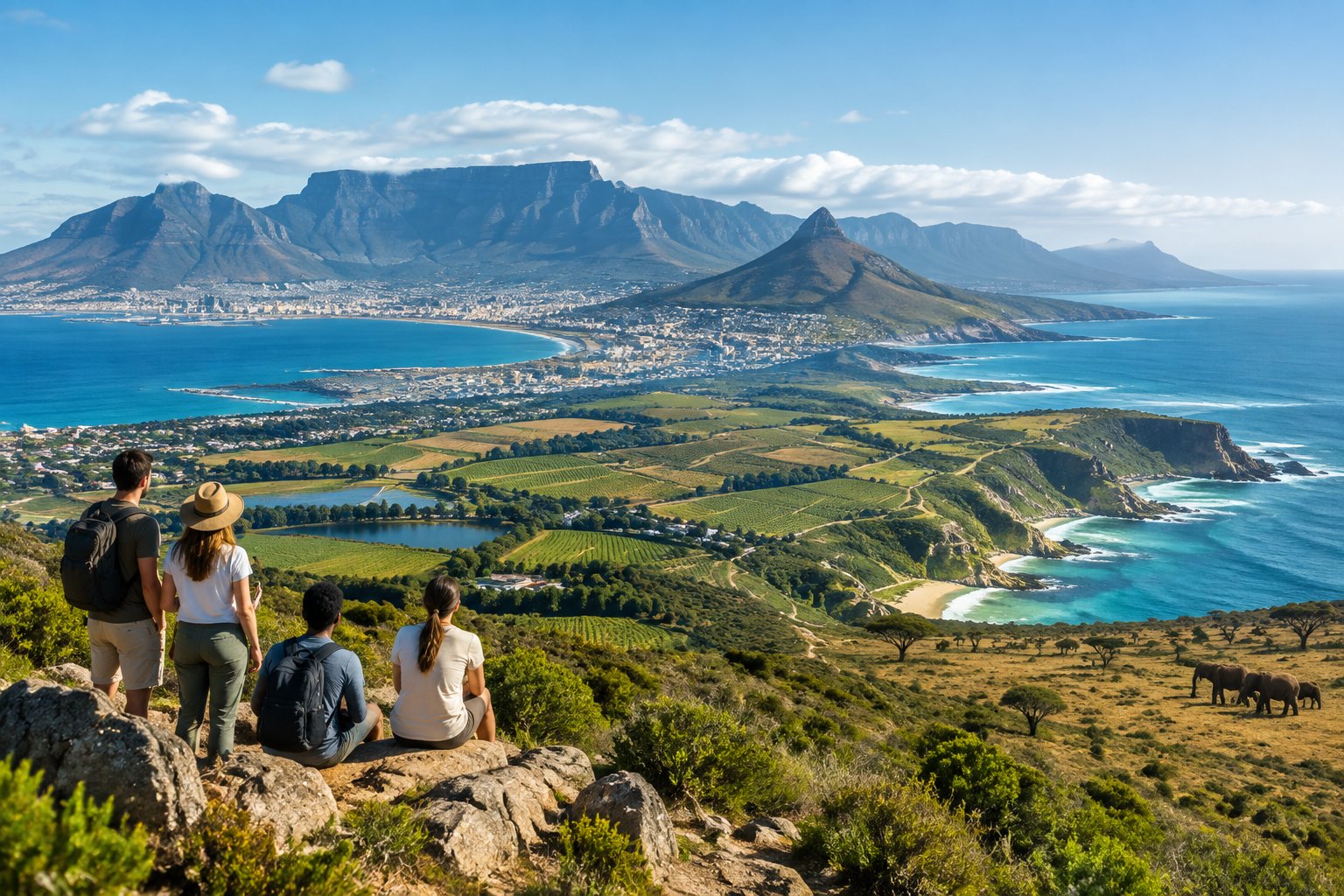
You can combine several nearby sights in one trip, then choose stays that fit your route, from city hotels to park camps and forest lodges. Because distances between regions are large, planning your South Africa travel around a few connected destinations gives you more time for each experience.
Key Takeaways
- Pair Cape Town with vineyard visits and seasonal whale watching.
- Choose Kruger or Addo for a wildlife-focused stay.
- Link coastal drives, mountain scenery, and city culture to fit your travel time.
Cape Town, the Winelands, and the Whale Coast
Cape Town, the Cape Winelands, and Hermanus rank among the best places to visit in South Africa, offering city landmarks, wine country, and seasonal whale watching. You can base yourself in Cape Town, then add vineyard and coast stays as time allows.
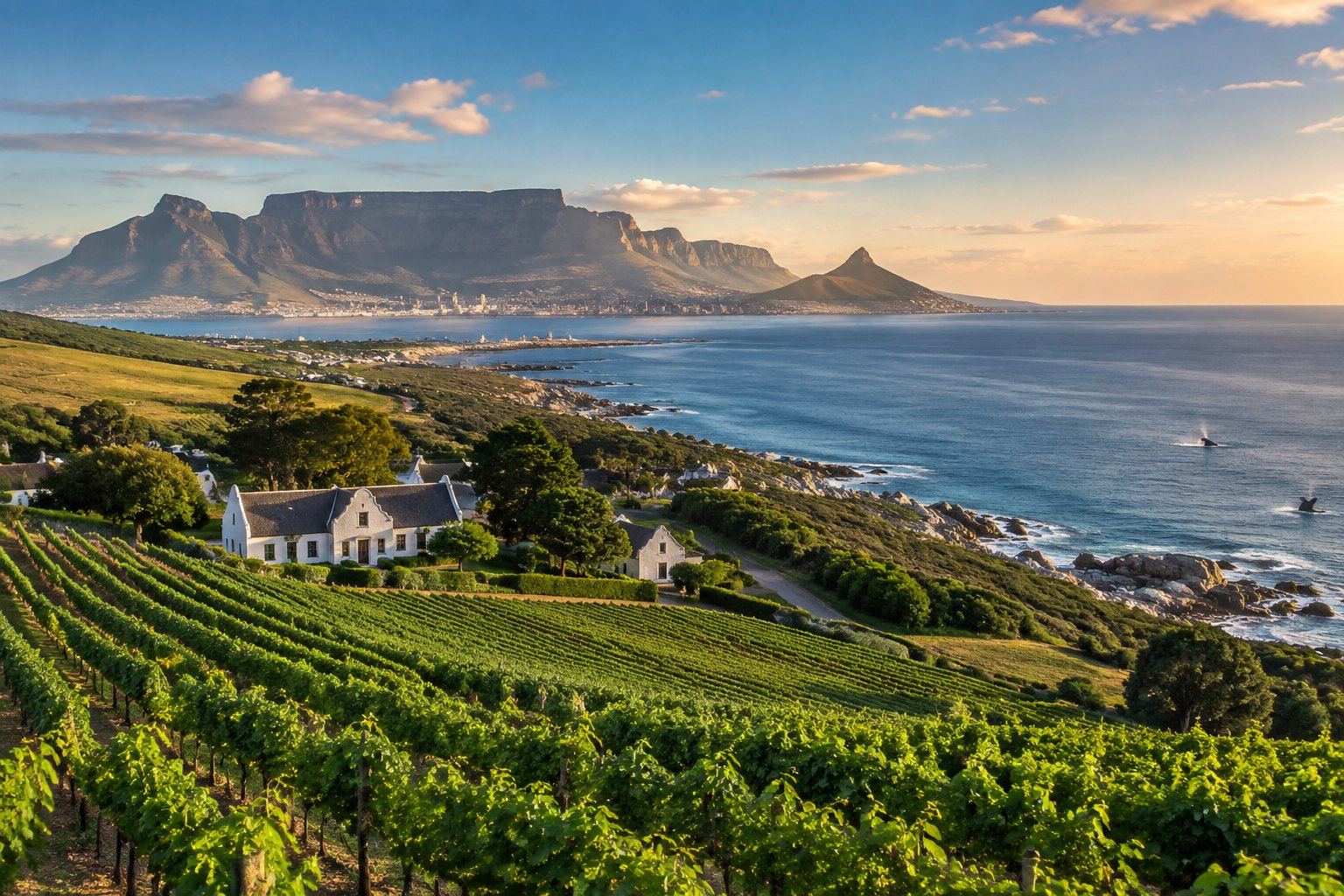
Cape Town and the Cape Peninsula
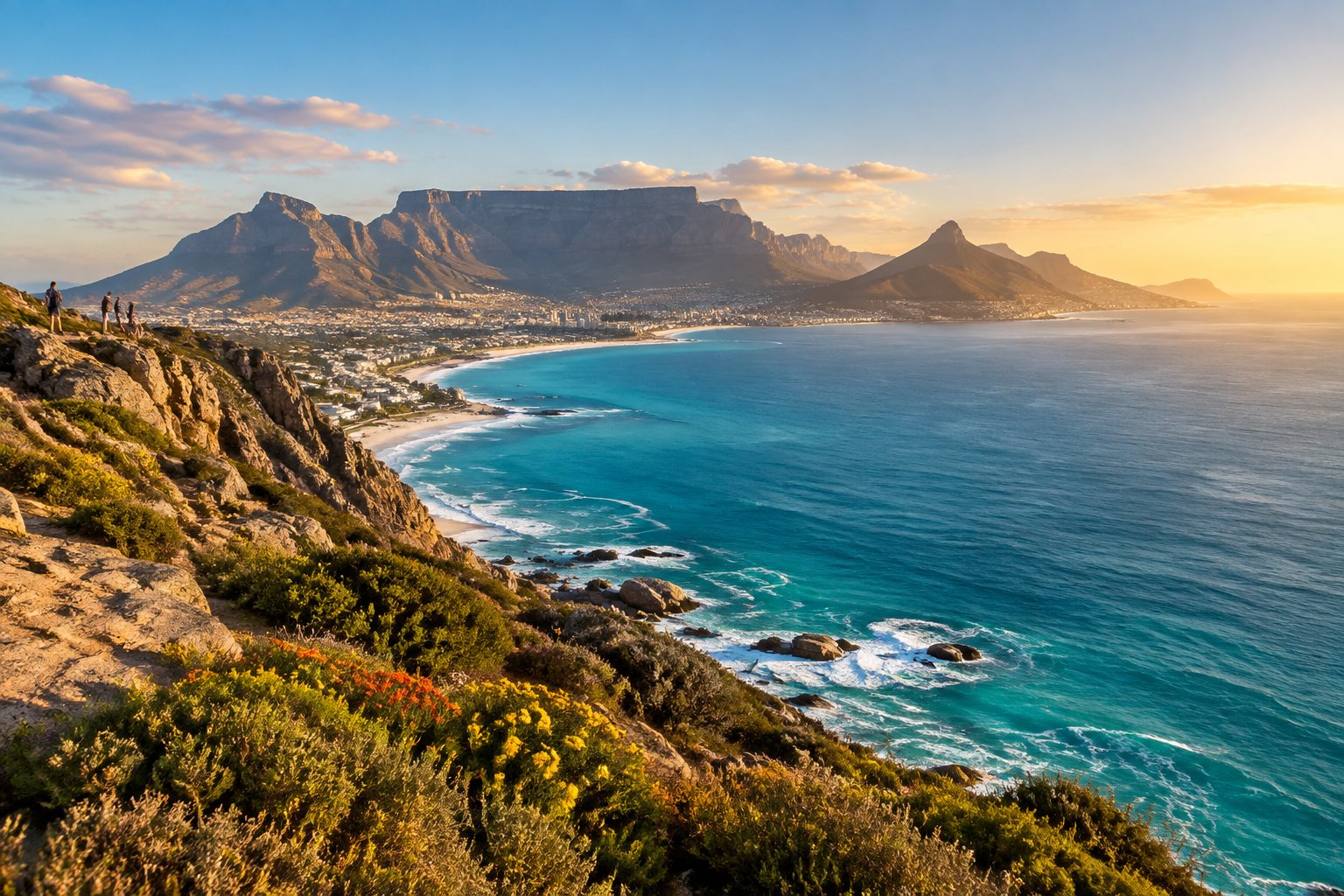
Start with Table Mountain for wide views over Cape Town, whether you ride the aerial cableway or hike up. From Table Mountain, you can look out across the Atlantic seaboard toward the beaches below.
Follow the Cape Peninsula toward Cape Point and the Cape of Good Hope. The dramatic headland around the Cape of Good Hope showcases rugged seascapes, ocean trails, and indigenous wildlife.
A funicular at Cape Point climbs to historic lighthouse lookouts over the swirling Atlantic currents.
Camps Bay offers a lively coastal break with white sands and beachfront cafes beneath the Twelve Apostles. Relaxing in Camps Bay provides an ideal sunset stop after a day on the peninsula, while Boulders Beach is known for its African penguin colony.
Wooden boardwalks at Boulders Beach let you observe the protected penguins up close without disturbing their nesting areas.
For history, take a ferry to Robben Island, where Nelson Mandela was imprisoned for 18 years. Guided tours of Robben Island, often led by former political prisoners, provide unforgettable insight into Nelson Mandela and the anti-apartheid movement.
The museum’s guided tour includes the ferry journey and lasts about 3.5 hours. If you have extra time north of the city, West Coast National Park offers a serene lagoon and renowned spring wildflower blooms.
Stellenbosch, Franschhoek, and the Cape Winelands
Stellenbosch, Franschhoek, and Paarl bring vineyard landscapes, historic town centers, and wine tasting within reach of Cape Town. Oak-lined streets and Cape Dutch architecture make Stellenbosch a delightful base for food and wine lovers.
Estates throughout Stellenbosch offer world-class wine tasting paired with cellar tours and vineyard lunches. In Franschhoek, the Wine Tram provides a hop-on, hop-off way to enjoy wine tasting across picturesque estates.
You can stay close to Franschhoek's acclaimed restaurants or choose a vineyard retreat surrounded by mountain peaks.
Hermanus and Southern Right Whales
Hermanus is a coastal base for spotting southern right whales from shore or on marine safaris. The local visitor guide identifies July through November as whale-watching season, with September to November described as especially reliable. Walk the cliff path for land-based views, or look into a boat trip for a closer marine perspective.
Where to Go for a Big Five Safari
Kruger National Park and Addo Elephant National Park are leading choices for a Big Five safari, with Addo offering an Eastern Cape option. Choose your park by route, preferred accommodation, and the balance you want between wildlife drives and other activities.
Kruger National Park and the Big Five
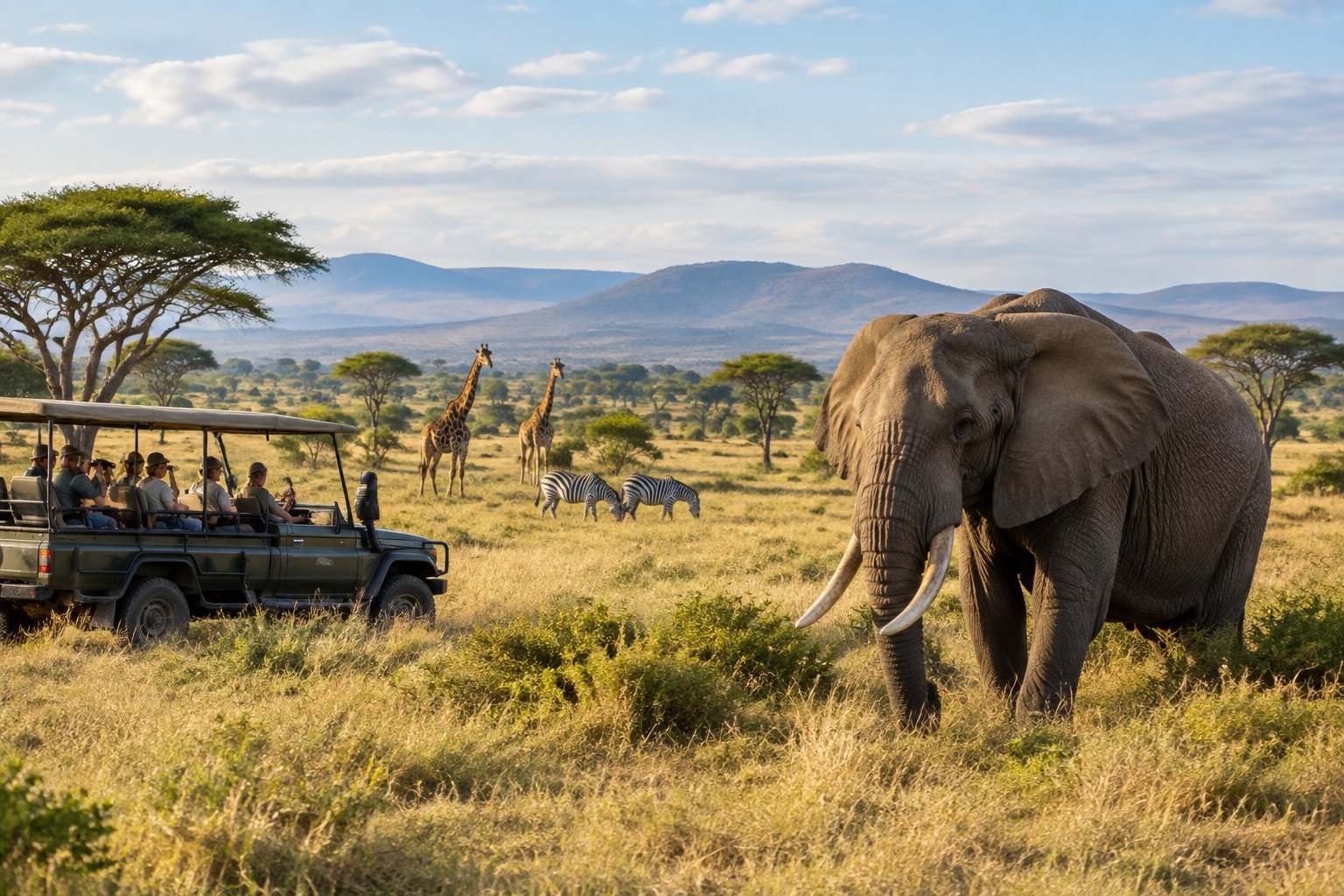
Kruger National Park is a major destination for seeing the Big Five: lion, leopard, elephant, rhino, and buffalo. Guided drives in Kruger National Park give you an incredible chance to track predators across vast savanna habitats.
You can stay in park camps and plan game drives around different areas; SANParks lists options ranging from camping to self-catering accommodation and luxury lodges.
Madikwe Game Reserve and Pilanesberg National Park offer other safari choices, while Mpumalanga pairs naturally with Kruger National Park and the Panorama Route. The term “Big Seven” is used for a wider wildlife list that adds great white sharks and southern right whales to the Big Five.
Addo Elephant National Park and the Eastern Cape
Addo gives you an Eastern Cape safari option near Gqeberha, with accommodation inside the park. SANParks describes the main camp as a hub for activities and stays, with a floodlit waterhole lookout and an underground hide.
You can choose among camp styles, including safari tents and cottages. The coastal setting also makes Addo a practical addition to an Eastern Cape road trip.
Coastal Drives and Mountain Adventures
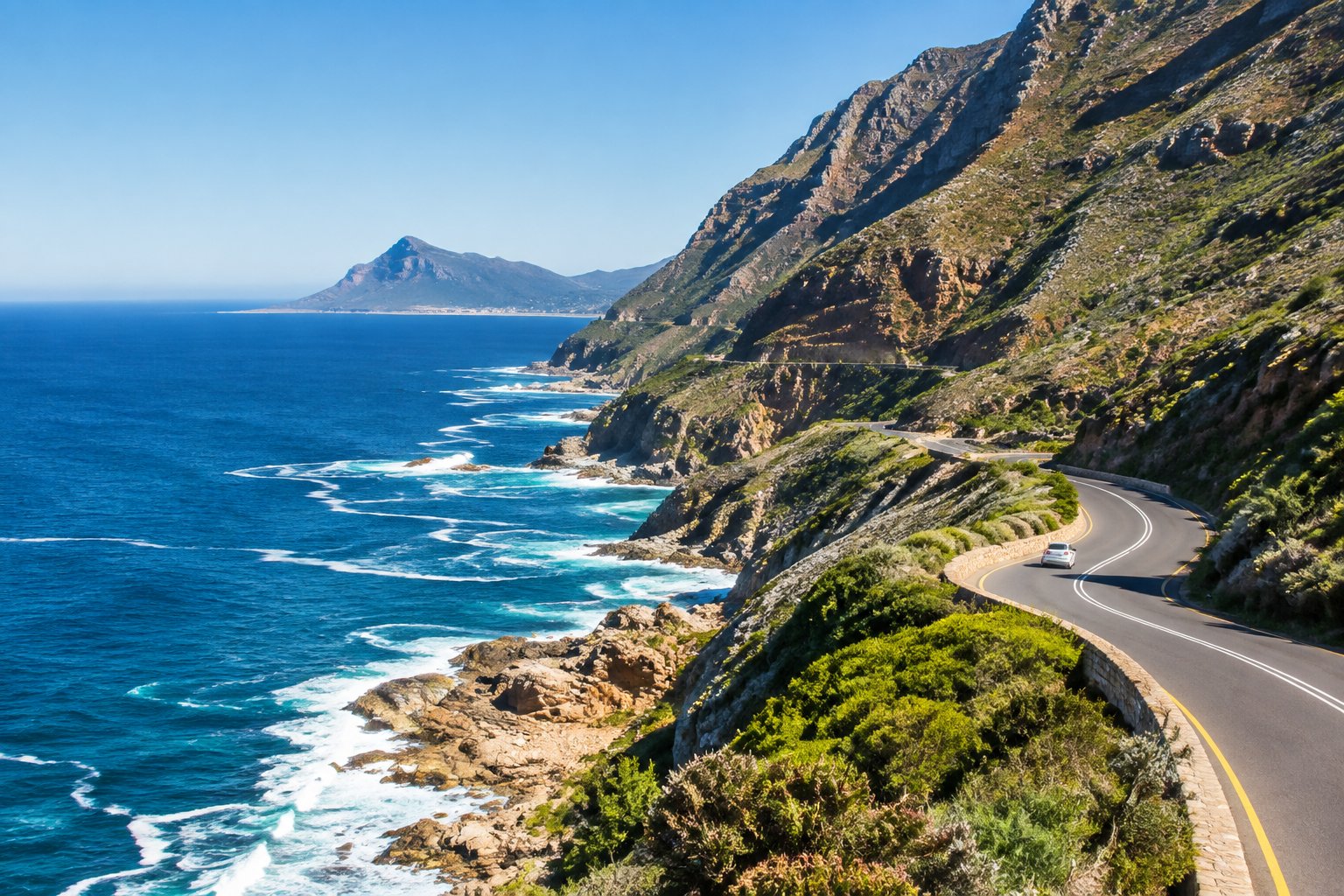
South Africa’s scenic routes connect beaches, forests, high mountain landscapes, and canyon viewpoints. The Garden Route suits a coast-and-forest drive, while the Drakensberg and Blyde River Canyon offer distinct inland trips.
The Garden Route: Knysna to Tsitsikamma
The Garden Route links Knysna, Plettenberg Bay, and Tsitsikamma through coastal scenery and indigenous forest. At Storms River Mouth, you can explore trails and suspension bridges, then stay in park accommodation near the rocky shore.
Tsala Treetop Lodge sits between Knysna and Plettenberg Bay, making it a forest-based stay for exploring this stretch. For a simpler park stay, SANParks lists camps in the Knysna Lakes and Tsitsikamma areas.
Just over the coastal mountain ranges lies the semi-arid Karoo, known for open skies, historic farm towns, and striking desert scenery.
The Drakensberg Mountains and Tugela Falls
The Drakensberg Mountains draw you for hiking, escarpment views, and routes near Tugela Falls. Spanning western KwaZulu-Natal, these high peaks feature sandstone cliffs and ancient rock art sites.
Choose a trail that matches your fitness and conditions; guided hikes and multi-hour routes are available in the region.
Sani Pass links the highlands toward Lesotho, while the Wild Coast offers a rugged coastal route for travelers who want remote scenery. Heading along the Wild Coast reveals untouched beaches, rocky headlands, and traditional rural settlements.
For mountain walks in the Drakensberg, plan your accommodation around the trail area and allow time for weather changes.
Blyde River Canyon and the Panorama Route
Blyde River Canyon and the Panorama Route bring you to viewpoints such as the Three Rondavels, God’s Window, and Bourke’s Luck Potholes. The canyon reserve stretches for 26 kilometers and averages around 800 meters deep, according to Mpumalanga’s provincial tourism information.
You can pair the drive with Kruger for a mix of viewpoints and wildlife. A resort near the canyon provides a base for hiking and scenic drives through Mpumalanga.
City Culture and Indian Ocean Beaches
Johannesburg and Durban feature some of the most dynamic urban tourist attractions in South Africa. One city centers on history and urban culture, while the other offers warm-water beaches and family attractions. You can add the Cradle of Humankind or Sun City to extend either itinerary.
Johannesburg, Soweto, and the Apartheid Museum
Johannesburg gives you access to Soweto, the Apartheid Museum, and the Maboneng Precinct. In the Maboneng Precinct, converted warehouses showcase indie art galleries, weekend food markets, and lively rooftop bars.
In Soweto, travelers can tour Vilakazi Street, the former home of Nelson Mandela and Archbishop Desmond Tutu.
A Soweto visit adds important context about the country’s struggle against apartheid, while the museum traces that history through its exhibits.
The museum advises visitors to set aside about two hours for a brief visit. From Johannesburg, you can also make a day trip to the Cradle of Humankind, a World Heritage area with fossil sites and visitor experiences.
Durban, the Golden Mile, and uShaka Marine World
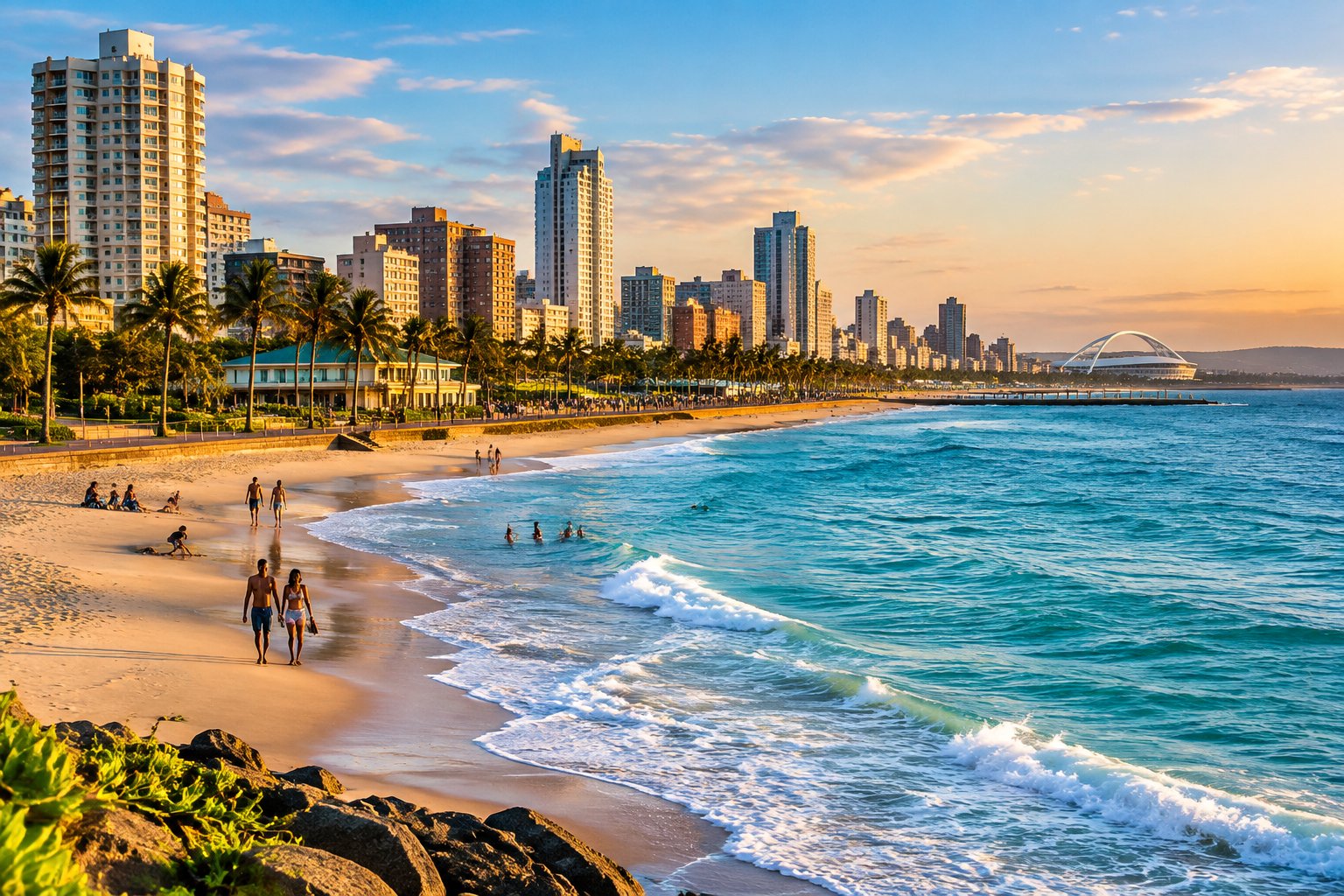
Durban combines the Golden Mile’s beachfront promenade with uShaka Marine World and the wider KwaZulu-Natal coast. Set aside time for the beach, then choose aquarium or water-park attractions based on your plans.
Beyond the city, KwaZulu-Natal offers lush wetlands, diverse game reserves, and rich Zulu cultural heritage.
For a broader trip, Sun City Resort adds the Valley of Waves and resort entertainment, while Gold Reef City offers another exciting family stop near Johannesburg. Historic mine shafts and roller coasters at Gold Reef City showcase the city's gold-rush origins.
These attractions fit best as dedicated outings, not quick detours between distant regions.
Plan a Stay That Fits Your South Africa Trip
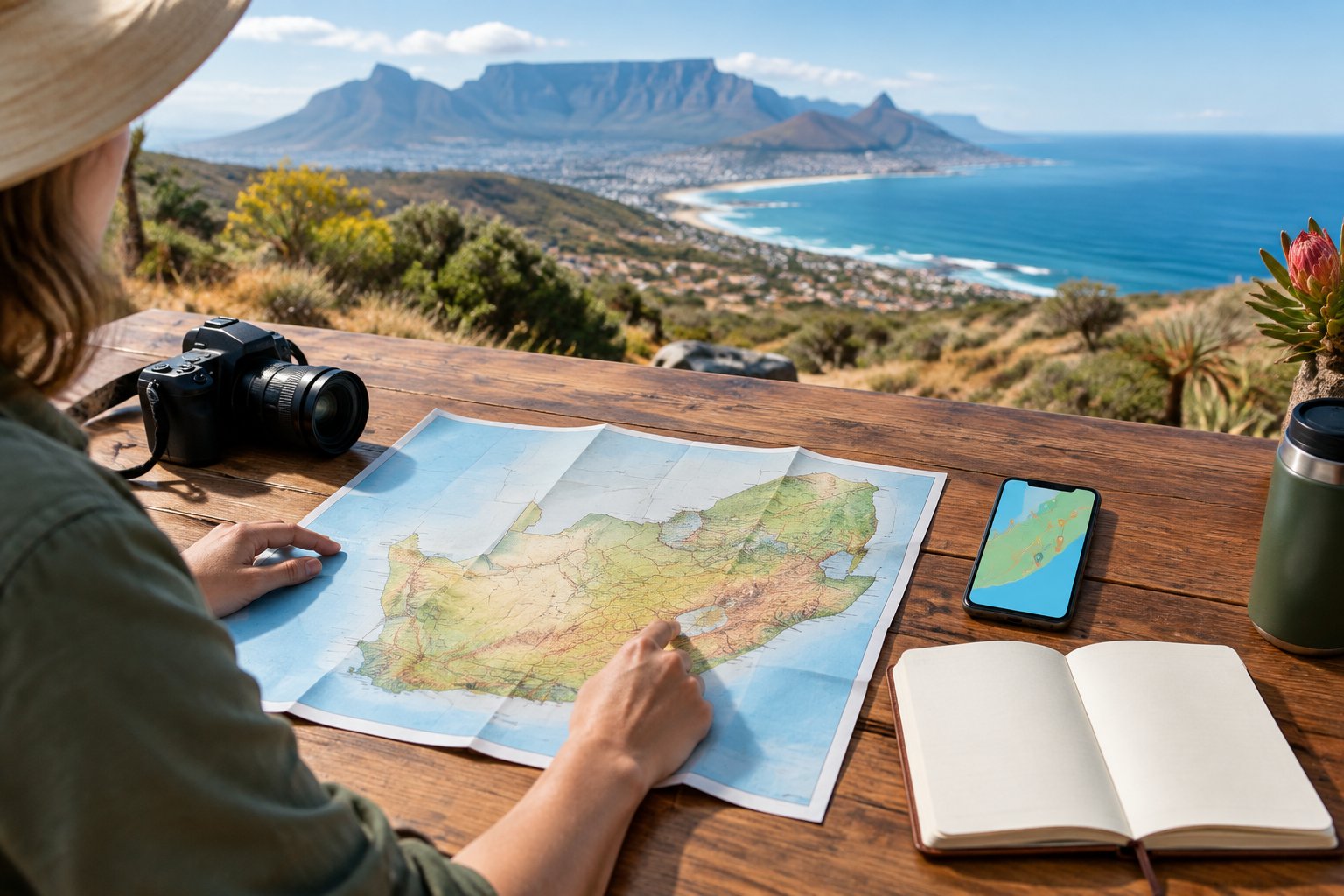
Build your South Africa stay around the route you want to travel, then choose accommodation near the activities that matter most to you. A city hotel works well for museums and restaurants; park camps, vineyard stays, and coastal lodges bring you closer to nature and scenic drives.
In Cape Town, the V&A Waterfront places hotels, dining, and attractions within an easy-to-navigate harbor neighborhood, with views reaching Table Mountain. In Franschhoek and Stellenbosch, you can stay near historic streets or choose a hotel among the vineyards for easy wine tasting.
On the Garden Route, SANParks offers accommodation near forest and coastal trails, while Addo and Kruger National Park have in-park stays.
For a safari-focused itinerary, reserve time at the park instead of treating it as a brief stop. For a varied trip, group nearby destinations together and leave longer drives between regions for travel days.
Frequently Asked Questions
What are the most popular tourist hotspots in South Africa?
Cape Town, the Cape Winelands, Kruger National Park, the Garden Route, and Johannesburg are among South Africa’s best-known visitor destinations. Add Durban, Addo, the Drakensberg, Hermanus, and Blyde River Canyon to shape your trip around beaches, wildlife, or scenery.
What are the Big Five to see in South Africa?
The Big Five are lion, leopard, elephant, rhinoceros, and African buffalo. Kruger and Addo are two well-known places to look for these animals on safari.
Which South African hotspots are best for couples?
Cape Town, Franschhoek, Hermanus, and the Garden Route suit couples seeking coastal views, wine country, or forest and seaside stays. You can pair a city break with a quieter lodge or vineyard stay.
Where should first-time visitors stay in South Africa?
For a first visit, use Cape Town as a base for city sights and day trips, then add a safari stay in Kruger or Addo. If you have more time, include a Garden Route stop for coastal scenery.
How many days do you need to explore South Africa?
A week gives you time for one main region, such as Cape Town and the Winelands or a focused safari trip. Two weeks lets you combine regions, though you should allow for long travel distances between them.
Comments