Mexico covers far more ground than a single trip can tackle. The country stretches from Pacific surf breaks and dense jungle ruins to a highland capital perched at 7,300 feet.
Your ideal route depends on your travel style. Decide whether you want beach days, colonial cities, or ancient ruins, and consider how much transit time you want to take on.
Cancún and the Riviera Maya offer turquoise water and effortless resort stays. Meanwhile, Mexico City and Oaxaca reward travelers looking for great museums, markets, and archaeology.
This rundown moves through ten places to visit in Mexico worth building a 2026 trip around, matching each to the traveler it fits best and naming specific hotels so you can book instead of just bookmark.
Whether you want surf towns like Puerto Escondido or historical hubs, finding the best places to visit in Mexico helps you plan the right itinerary.
Key Takeaways
- Pick by travel style: Choose Cancún, Riviera Maya, Puerto Vallarta, or Cabo for beaches, and Mexico City, Oaxaca, Mérida, or Chiapas for history and food.
- Limit your scope: Focus on one or two regions per trip to spend more time exploring and less time traveling.
- Time your trip right: Whale watching on the Pacific runs from mid-December to March, while highland cities stay comfortable year-round.
- Use central bases: Staying in hubs like Mérida, Oaxaca, or Mexico City allows for convenient day trips to ruins, cenotes, and colonial towns.
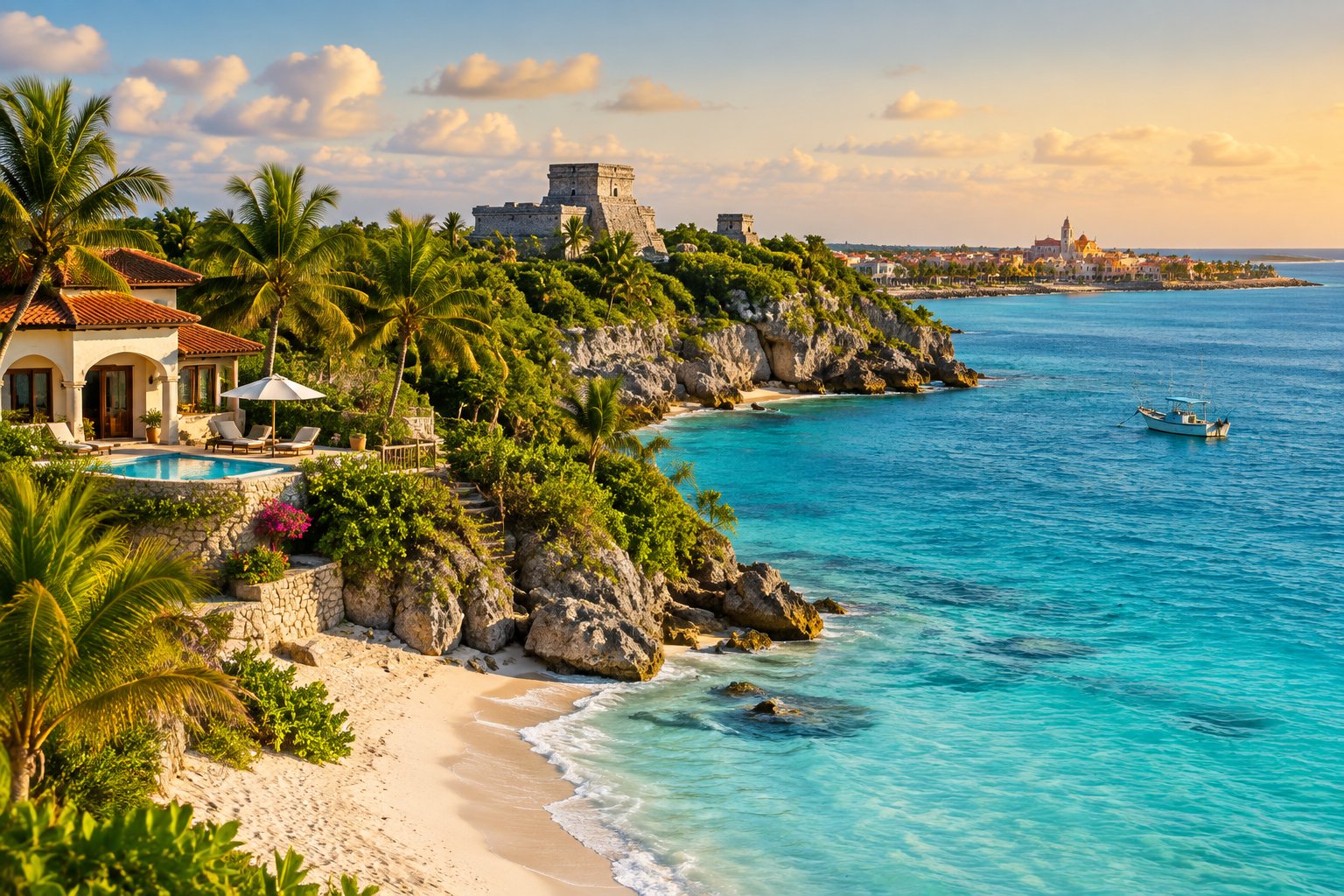
Mexico City: Museums, Markets, and Ancient Pyramids
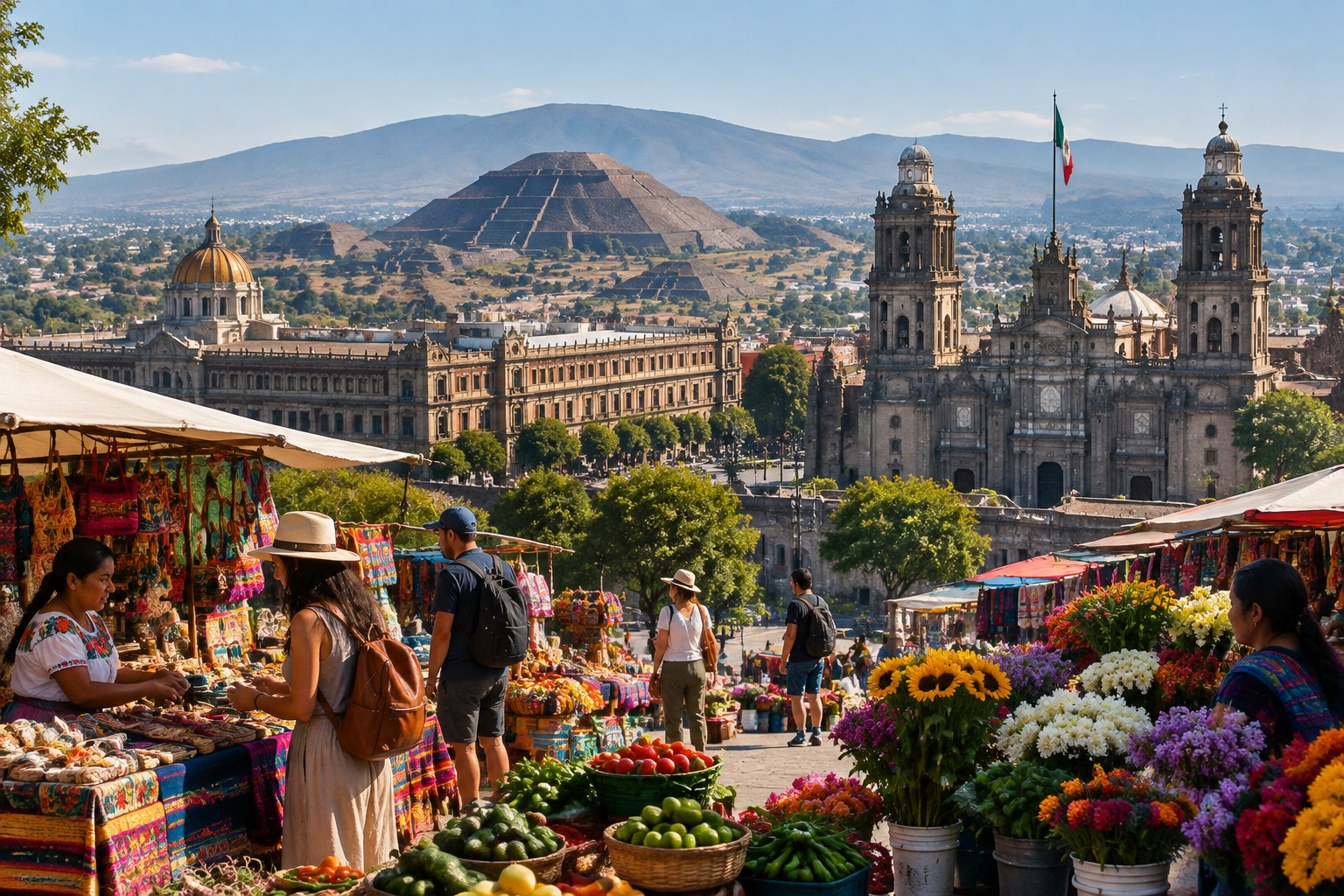
Mexico City suits travelers who want world-class museums, street food, and day-trip access to pyramids without leaving a single metro system. The capital rewards slow exploration: its historic center, canal-laced Xochimilco, and the ancient ruins of Teotihuacán (Teotihuacan) each take a full day to appreciate properly.
3 Absolute Highlights in Mexico City
- Climbing the Pyramid of the Sun and Pyramid of the Moon at Teotihuacán, among the largest pre-Columbian structures in the Americas
- Riding a trajinera (flat-bottomed boat) through the floating gardens of Xochimilco
- Day-tripping to Puebla and Cholula for colonial architecture, or traveling south to Taxco for handcrafted silver
At Teotihuacán, the Avenue of the Dead cuts between monumental stone temples. The colossal Pyramid of the Sun anchors the eastern edge of the complex, rising high above the surrounding valley.
At the northern terminus, the Pyramid of the Moon offers panoramic views across the ancient ceremonial plazas. Arrive early in the morning to walk the grounds before midday heat and tour buses roll in.
Booking a hot air balloon flight over Teotihuacan at dawn provides unforgettable aerial views of the temples.
After exploring the ruins, stop at nearby roadside eateries for slow-cooked barbacoa wrapped in agave leaves.
If you want a quick day trip, head to Puebla. The city features colorful Talavera tile facades, historic convents, and rich mole poblano.
Where to Stay in Mexico City
Stay in the Historic Center to walk directly to the Zócalo and nearby museums.
Hotel Catedral sits steps from the Metropolitan Cathedral and features a preserved 500-year-old Mexica temple in its lobby. Standard rooms start from 800 MXN per night according to Hotel Catedral's own site.
Nearby, Hotel Zócalo Central overlooks Plaza de la Constitución and lends free bikes to guests, per Central Hoteles.
Cancún: Caribbean Beaches and Island Escapes
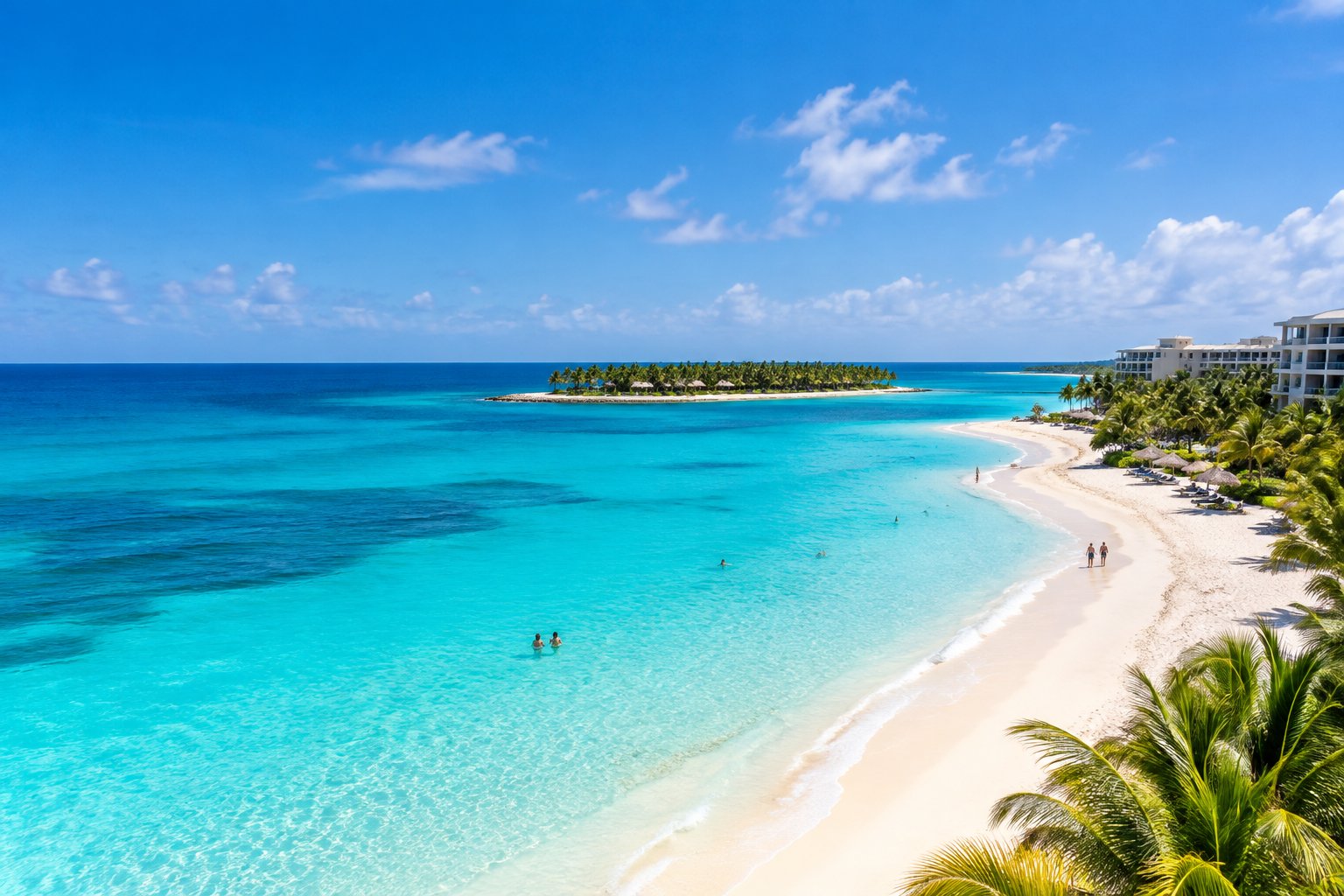
Cancún suits travelers who want all-inclusive beachfront stays with easy island hopping. Landing in Cancun gives visitors direct access to world-class resorts along the Caribbean coast.
Direct international flights make Cancun an easy entry point for travelers visiting the region for the first time.
The Hotel Zone delivers white sand beaches and large resorts, while downtown El Centro offers street food and local markets.
3 Absolute Highlights in Cancún
- Lounging on Playa Norte over on Isla Mujeres, a 20 to 30 minute ferry ride from Puerto Juárez or Playa Tortugas according to Ultramar's ferry schedule
- Snorkeling and diving the reefs and underwater museum near Isla Mujeres
- Taking a day trip out to the quieter, more bohemian Isla Holbox
Ferries run frequently from Cancun to Isla Mujeres, where travelers rent golf carts to reach scenic Punta Sur. Further north, Isla Holbox provides a peaceful sanctuary free of cars, known for its shallow sandbars and laid-back village vibe.
Hyatt also plans to expand here: the 500-room Grand Hyatt Cancún Beach Resort opens as an all-inclusive in December within Puerto Cancún, about 25 minutes from the airport, per Hyatt's own announcement.
Where to Stay in Cancún
Marriott Cancún, An All-Inclusive Resort provides oceanview suites with balconies and 24-hour room service right in the Hotel Zone, according to Marriott's room listings.
If you prefer brand-new luxury, check out the Grand Hyatt Cancún Beach Resort once it opens.
Riviera Maya: Tulum, Cenotes, and Coastal Ruins
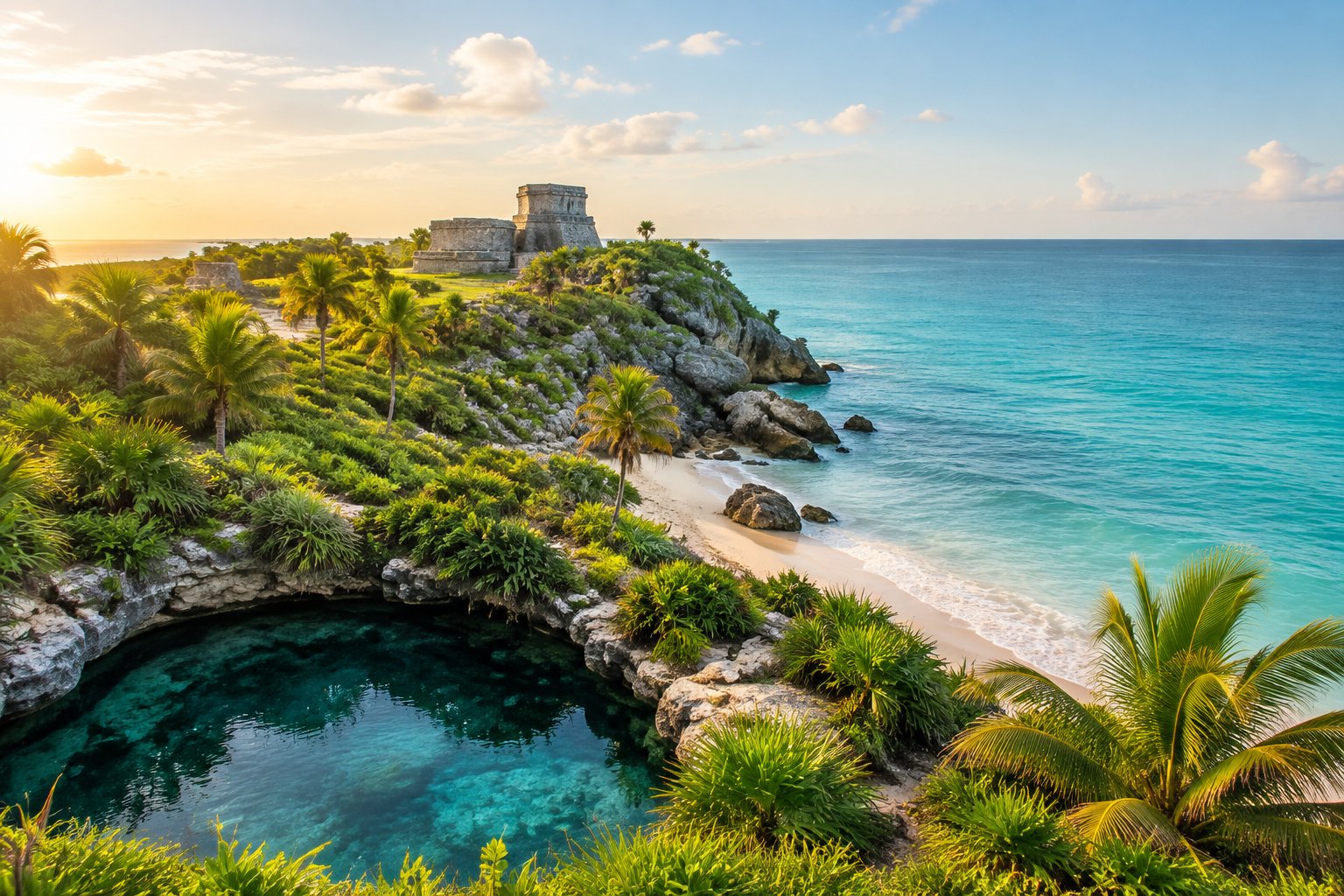
The Riviera Maya suits travelers who want beach time paired with Mayan ruins, cenotes, and jungle adventure south of Cancún's crowds. Travelers arriving in Cancun can easily drive south to reach quieter coastal towns.
This stretch of coastline runs from Puerto Morelos down through Playa del Carmen, Akumal, and Tulum, with Cozumel sitting just offshore.
3 Absolute Highlights in the Riviera Maya
- Walking the clifftop Tulum ruins, where Mayan structures overlook the Caribbean (entry costs 80 pesos for Mexican nationals and 265 pesos for foreign visitors, per Mexico's national anthropology institute)
- Swimming in cenotes scattered throughout the jungle around Tulum and Puerto Morelos
- Exploring the jungle-set ruins of Coba (Cobá), reachable in about 45 minutes to 90 minutes from the coast
Rent a car to explore the corridor along Highway 307 at your own speed.
South of Tulum, boat tours through the Sian Ka’an Biosphere Reserve take you through coastal lagoons where you can spot sea turtles, dolphins, and wild birds.
Exploring the Sian Ka’an Biosphere Reserve also allows travelers to float along ancient Maya freshwater canals framed by mangroves.
Further inland, rent a cruiser bicycle at the gates of Cobá to pedal along shaded stone causeways between towering forest-wrapped ruins.
Unlike more open coastal sites, Coba remains shaded by dense jungle, making it a favorite for travelers seeking atmospheric Mayan ruins.
Ferries run throughout the day from Playa del Carmen to Cozumel, where divers flock for world-class reef visibility and calm beach clubs.
Where to Stay in the Riviera Maya
Playa del Carmen works as a central base loaded with all-inclusive resorts handling meals and excursions in one package. Tulum suits travelers wanting a quieter, more boutique feel closer to the ruins and cenotes. Search Booking.com or Expedia for Playa del Carmen or Tulum properties depending on which pace fits your trip.
Oaxaca City: Food, Art, and Zapotec History
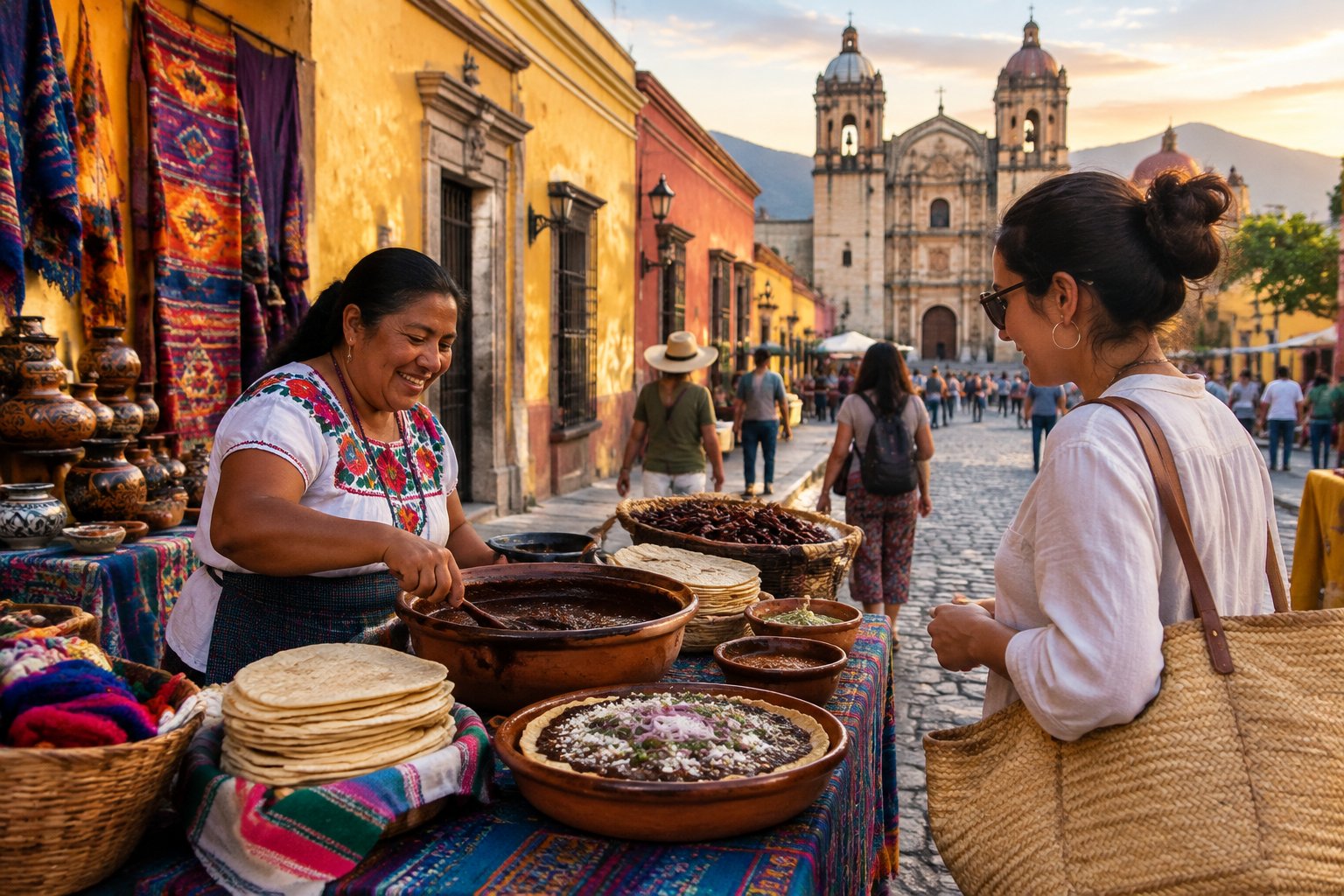
Oaxaca City suits food-focused travelers and anyone drawn to colonial architecture layered over deep indigenous history. Sitting more than 5,000 feet above sea level and ringed by the Sierra Madre del Sur, the city pairs vibrant markets with some of Mexico's most distinctive regional cooking.
3 Absolute Highlights in Oaxaca City
- Touring the ruins of Monte Albán, the ancient Zapotec capital, open daily from 8am to 5pm with last entry at 4pm, according to Mexico's INAH site listing
- Wandering the Templo de Santo Domingo and its surrounding Historic Center
- Eating through Oaxaca's markets, where mole, tlayudas, and Oaxacan chocolate dominate the stalls
Perched on a leveled mountaintop, Monte Albán overlooks the central valleys. Visit early to explore ancient ball courts, carved stelae, and open ceremonial plazas with fewer crowds.
Travelers with extra days can journey down to Puerto Escondido on Oaxaca's coast, famous for world-class surf breaks and laid-back beach clubs.
Where to Stay in Oaxaca City
Holiday Inn Express Oaxaca-Centro Histórico sits within easy walking distance of the Temple of Santo Domingo. The property includes an outdoor pool and a breakfast buffet serving traditional local chocolate, per IHG's hotel page.
Mérida: A Base for Yucatán's Maya Sites
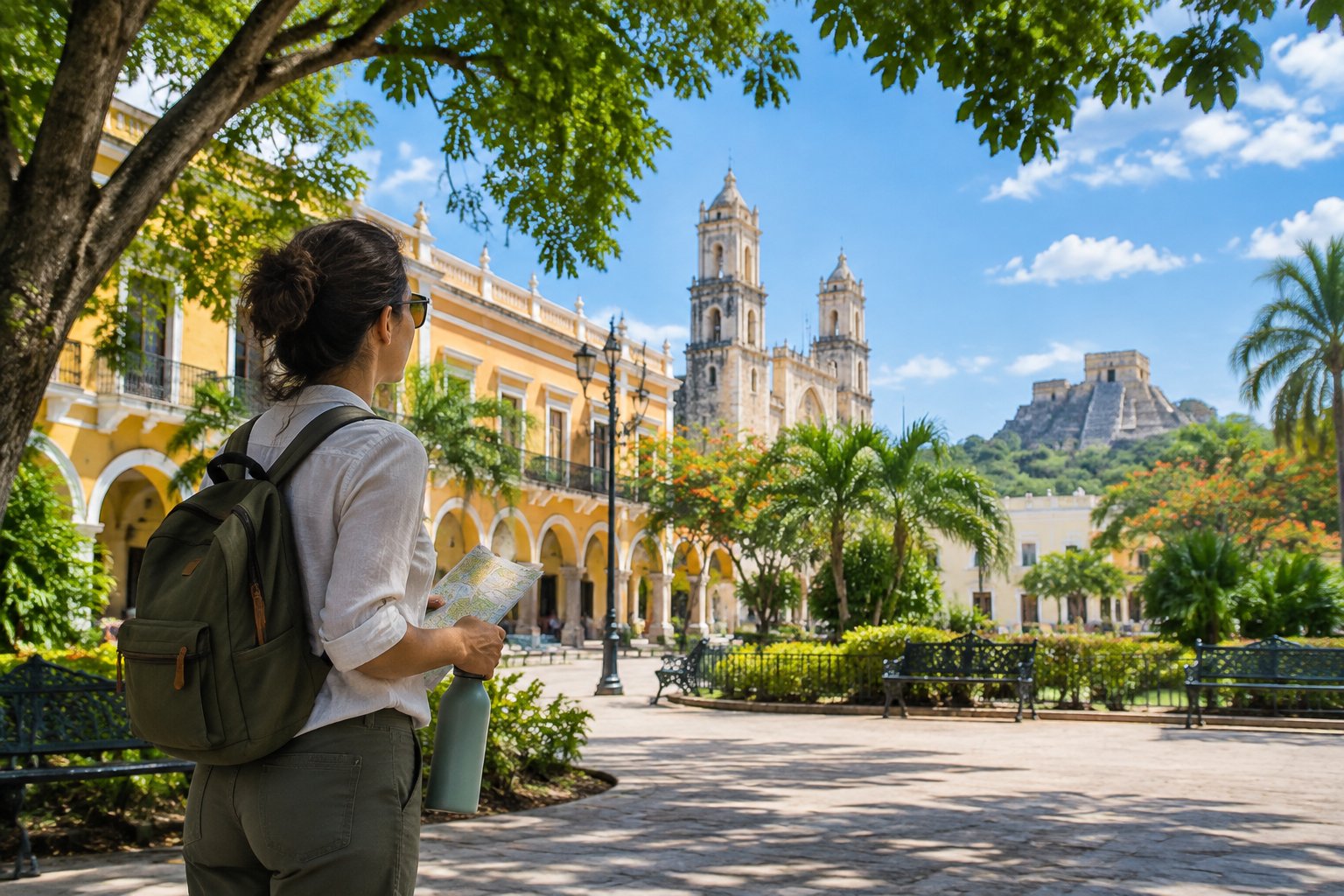
Mérida serves as the cultural heart of the Yucatán Peninsula and an ideal base for Maya archaeological sites. Often spelled Merida, the historic capital features grand 19th-century mansions along Paseo de Montejo, while quiet plazas come alive with evening music.
Travelers exploring Yucatan appreciate how walkable the colonial core is during the day.
The city's food scene highlights distinct Yucatec flavors, from slow-roasted cochinita pibil to dishes seasoned with local citrus and recado spices.
3 Absolute Highlights Around Mérida
- Visiting Chichén Itzá (Chichen Itza), one of the most recognized Maya sites in the Yucatán
- Exploring the Puuc-style ruins at Uxmal
- Browsing El Gran Museo del Mundo Maya de Mérida and the city's gallery scene
Arrive at Chichén Itzá when the gates open to tour the grand pyramid and cenote before the crowds arrive.
Exploring Chichen Itza early provides an intimate look at the ball court and temple carvings before tour groups arrive. Beyond major archaeological sites, Yucatan features quiet colonial towns and hundreds of freshwater sinkholes.
Southwest of Mérida, Uxmal showcases the elegant curves of the Pyramid of the Magician and intricate stone friezes set against rolling green hills.
A longer stay in Merida also leaves time for day trips to nearby convent towns or flamingo-filled coastal reserves.
If you have extra days, head south to the turquoise lagoon of Bacalar for quiet kayaking and waterside cabanas. Bacalar sits four hours away near Belize, so treat it as an overnight stay rather than a quick day trip.
Where to Stay in Mérida
Casa Lecanda occupies a restored 19th-century townhouse in Mérida's historic core, centered on courtyard gardens, a wine bar, and restaurant Anata, per the hotel's own site. It offers a tranquil boutique retreat between day trips to ruins.
Puerto Vallarta: Pacific Sunsets and Bay Adventures
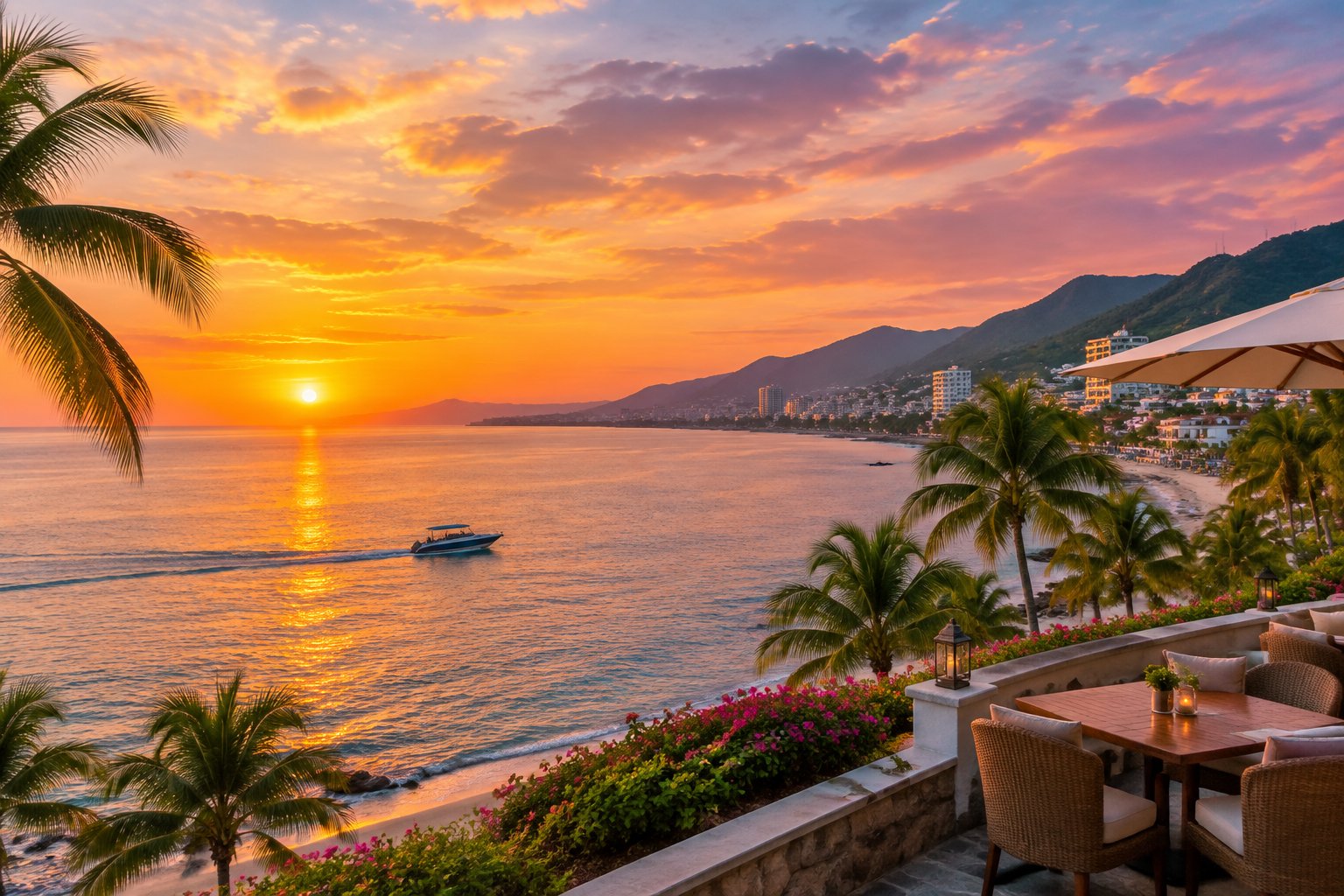
Puerto Vallarta suits travelers who want a walkable beach town with easy access to wildlife-watching and nearby pueblos mágicos. Mexico's designated pueblos magicos offer a charming glimpse into traditional culture just outside the main hotel zones. Banderas Bay's calm, sheltered waters make it one of the better whale-watching spots on Mexico's Pacific coast.
3 Absolute Highlights Around Puerto Vallarta
- Whale watching in Banderas Bay during the season running from mid-December through the end of March, when humpbacks breach and tail-slap close to tour boats, according to Visit Puerto Vallarta's guide
- Boating out to the Marietas Islands to see Hidden Beach
- Day-tripping to the pueblo mágico of Sayulita for surf and a laid-back town square
Whale watching tours typically run 2 to 4 hours, with operators including Vallarta Adventures and Wildlife Connection offering bilingual guides and hydrophones for hearing whale song underwater.
Visiting Hidden Beach at the Marietas Islands requires swimming through a natural rock arch during low tide. Book far in advance, as authorities strictly limit daily permits to safeguard the marine park.
Just an hour north, Sayulita offers reliable surf breaks, craft markets, and open-air taco spots in a walkable, laid-back beach village.
Where to Stay in Puerto Vallarta
Marriott Puerto Vallarta Resort & Spa sits beachfront in Marina Vallarta with an infinity pool and on-site spa, from 216 USD per night plus resort fee, per Marriott's resort listings.
If you want quiet luxury and secluded surf beaches, look further north along the bay toward Punta Mita.
Cabo San Lucas: Desert Scenery and Sea of Cortez Trips
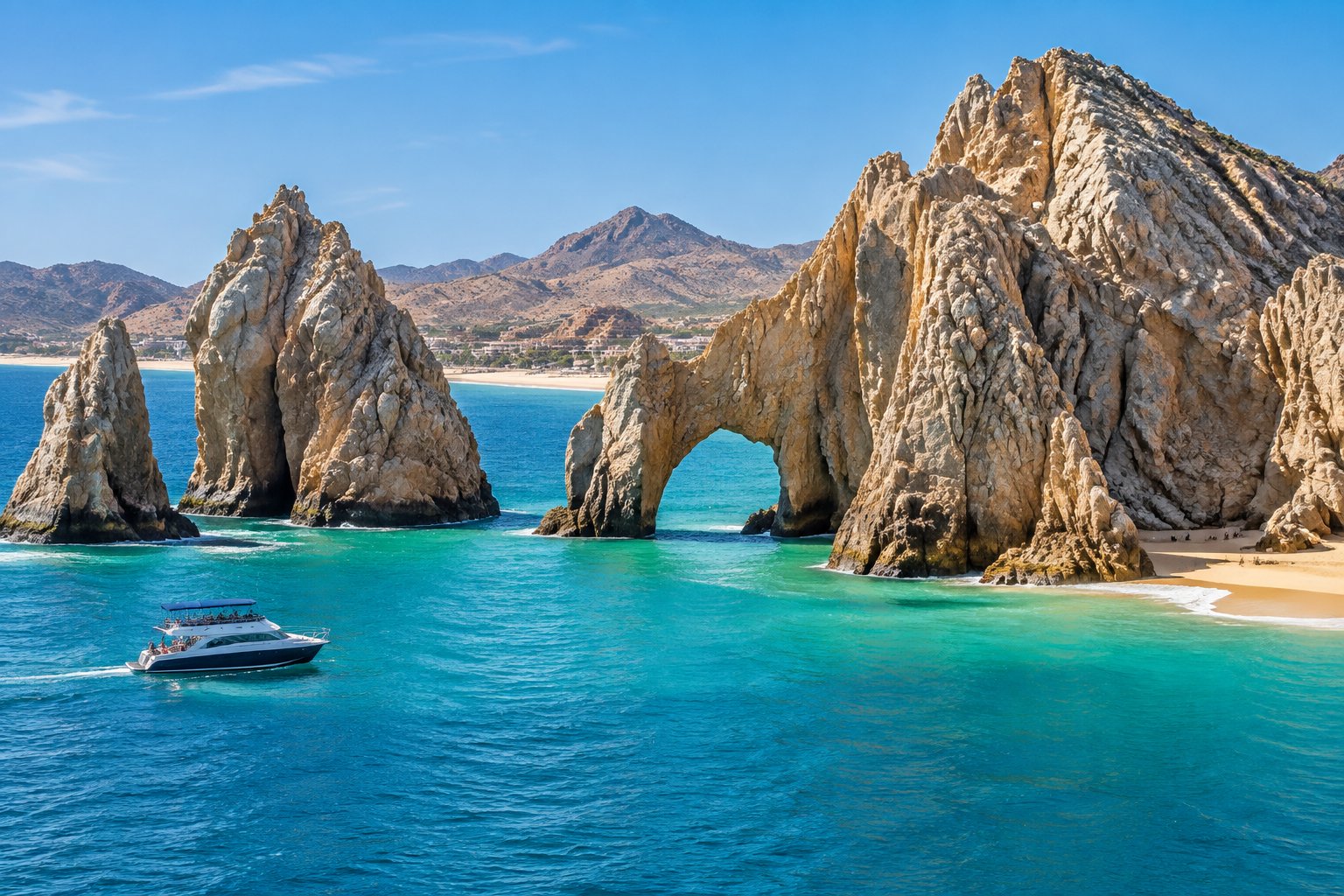
Cabo San Lucas suits travelers who want desert landscapes meeting ocean, with marine life and water sports built into the Baja California peninsula's identity. The Sea of Cortez here has earned comparisons to an aquarium, thanks to its density of marine species.
3 Absolute Highlights Around Cabo San Lucas
- Taking a boat past the El Arco rock formation at Land's End
- Booking a Sea of Cortez excursion for snorkeling or sportfishing
- Driving up the coast toward La Paz for whale shark swims and sandboarding on the Mogote Dunes
Cactus-studded hills slope directly into the turquoise sea, creating a stark desert-meets-ocean landscape unique to the Baja Peninsula.
Where to Stay in Cabo San Lucas
Stay near Médano Beach if you want swimmable waters and immediate marina access for boat charters.
Alternatively, the Tourist Corridor toward San José del Cabo offers quieter oceanfront resorts with dramatic views over the crashing Pacific surf.
San Miguel de Allende: Art and Guanajuato Day Trips
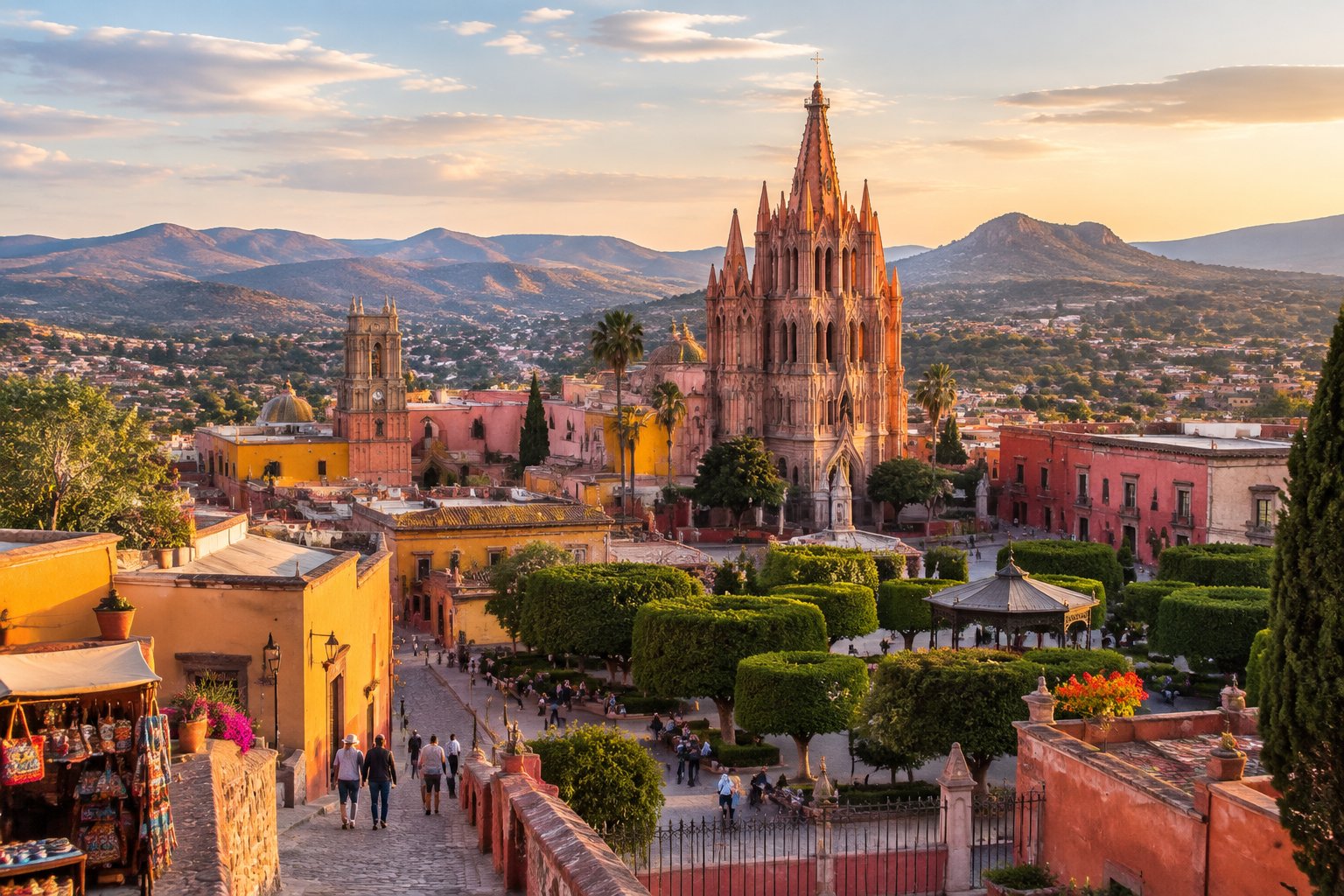
San Miguel de Allende suits travelers drawn to art galleries, colonial architecture, and a UNESCO World Heritage historic center. The pink-spired Parroquia de San Miguel Arcángel anchors a town built for wandering on foot.
3 Absolute Highlights Around San Miguel de Allende
- Strolling the plazas and galleries surrounding the Parroquia
- Visiting Fábrica La Aurora, a converted textile factory turned art and design hub
- Day-tripping to Guanajuato City, a UNESCO World Heritage city known for its subterranean streets and the Callejón del Beso
Guanajuato City also hosts the Festival Internacional Cervantino each October, transforming historic streets and theaters into international performing arts stages.
Where to Stay in San Miguel de Allende
Hacienda El Santuario sits right in the town center, featuring 30 suites decorated with over 1,300 pieces of Mexican folk art, per the hotel's official site.
Nearby, Hotel Real de Minas offers 214 rooms and expansive gardens within easy walking distance of the central plaza, per the property's own listing.
Chiapas: Highland Towns, Jungle Ruins, and Canyons
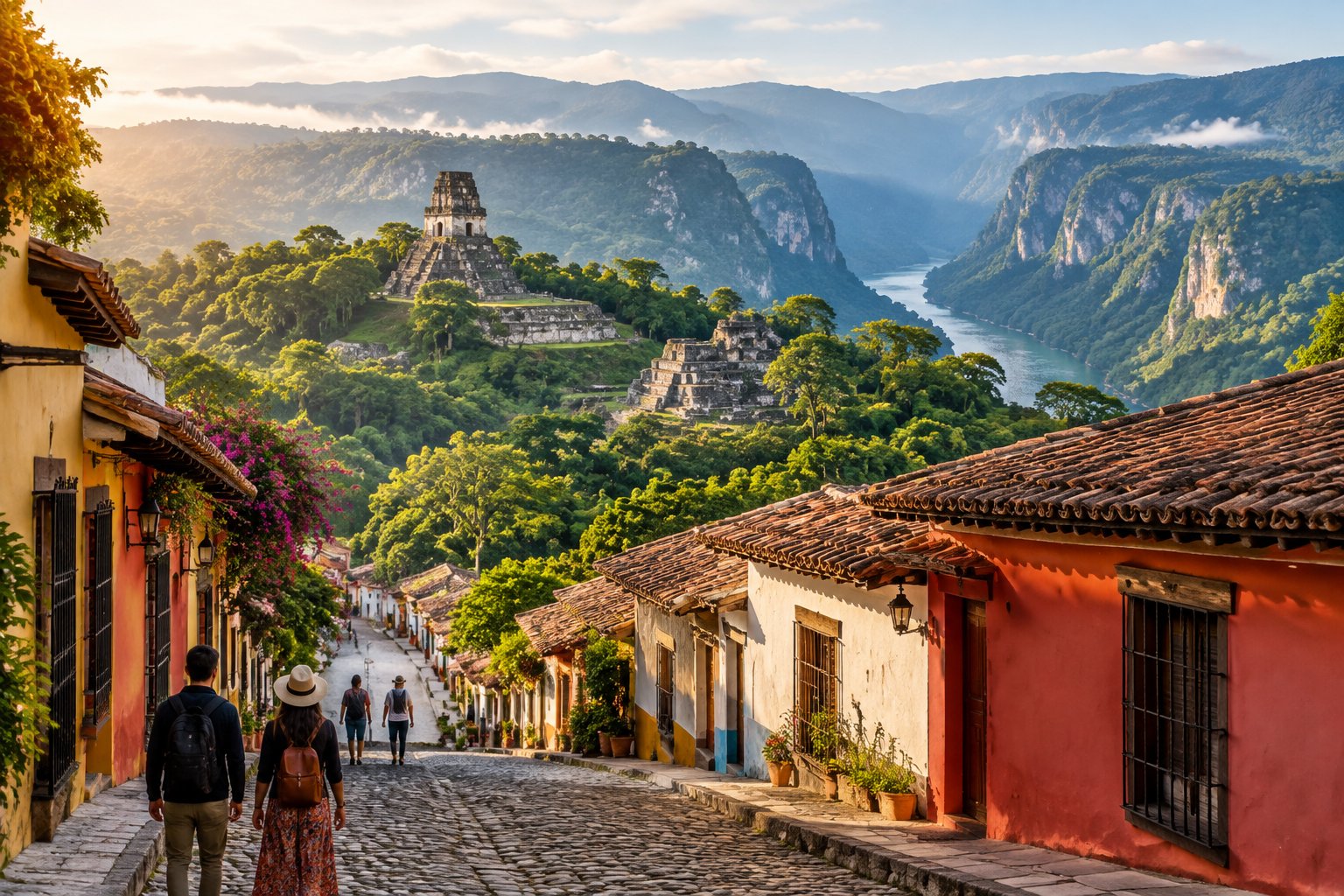
Chiapas suits travelers chasing a slower, more rugged side of Mexico, where highland towns, jungle-swallowed ruins, and canyon boat rides replace beach resorts. San Cristóbal de las Casas (frequently searched as San Cristobal de las Casas) anchors the region with cobblestone streets and a strong indigenous Maya presence.
3 Absolute Highlights in Chiapas
- Wandering San Cristóbal de las Casas's markets, churches, and surrounding highland villages
- Touring the jungle ruins of Palenque, among the most atmospheric Maya sites in Mexico
- Taking a boat trip through Sumidero Canyon, where limestone walls rise sharply above the river
Chiapas has built a reputation around eco-tourism, with its biodiverse cloud forests and canyon ecosystems drawing travelers interested in nature alongside archaeology.
Deep in the jungle, Palenque showcases classic Maya temples surrounded by tropical wilderness. Exploring Palenque early in the morning lets travelers hear howler monkeys echo across moss-covered stone plazas.
Near Tuxtla Gutiérrez, motorboats cruise through Sumidero Canyon along the Grijalva River. Towering cliffs in Sumidero Canyon reach over 3,000 feet, sheltering waterfalls and diverse wildlife.
San Cristóbal de las Casas offers crisp mountain air, artisan markets, and deep indigenous Maya traditions, serving as the cultural heart of the state.
Where to Stay in Chiapas
Hotel Bo in San Cristóbal de las Casas blends modern design with Chiapanecan textiles and tranquil water courts, per the hotel's own description.
For a traditional base, Plaza Magnolias Hotel & Suites occupies a restored 16th-century colonial mansion downtown, according to the property's site.
Guadalajara: City Culture and Tequila Country
Guadalajara suits travelers who want a major Mexican city paired with easy access to the country's most famous spirit at its source. Mexico's second-largest city blends mariachi and charrería traditions with a modern food and nightlife scene, all within reach of the agave fields that define tequila country.
3 Absolute Highlights Around Guadalajara
- Exploring Guadalajara's historic center, including its cathedral and surrounding plazas
- Touring agave distilleries in the town of Tequila, about an hour from the city
- Visiting nearby pueblos mágicos such as Tapalpa for a cooler, pine-forested contrast to the city
Guadalajara works well as a city-and-day-trip combination: spend mornings in museums and markets, then head out to agave country for tastings and distillery tours in the afternoon.
Where to Stay in Guadalajara
Stay in the historic center to walk directly to the cathedral, plazas, and Mercado San Juan de Dios.
For leafy residential streets, cocktail lounges, and modern dining, book a stay in Providencia or Zapopan.
Choose the Mexico Trip That Fits You
Matching a destination to your travel style matters more than chasing every highlight at once. Beach-first travelers do best in Cancún, the Riviera Maya, Puerto Vallarta, or Cabo San Lucas. Other Pacific getaways like Ixtapa and neighboring Zihuatanejo offer relaxing shores, while history and culture lead naturally to Mexico City, Oaxaca, Mérida, or Chiapas.
Travelers captivated by ancient history can journey from central highland monuments like Teotihuacan to secluded Mayan ruins tucked into southern rainforests.
The best time to visit Mexico depends partly on region. Pacific coast destinations like Puerto Vallarta see their whale watching season from mid-December through March, while northwestern Mexico's monsoon season brings afternoon thunderstorms from June through mid-September, according to NOAA's Climate.gov.
This northern expanse includes the dramatic Copper Canyon, known in Spanish as Barrancas del Cobre. Spanning deep gorges in Chihuahua, it draws rail travelers and hikers throughout spring and autumn.
The famed Chepe train through the Copper Canyon connects high plateaus in Chihuahua with steep canyon vistas and remote mountain hamlets.
Highland cities like San Miguel de Allende and Oaxaca stay mild enough to visit comfortably most of the year.
Pick one or two regions rather than trying to crisscross the entire country. Giving yourself time to settle into each stop cuts down on travel fatigue and lets you truly experience Mexico's culture, food, and landscapes.
Frequently Asked Questions
What is the best time of year to visit Mexico?
The dry months between December and April generally offer the best weather across Mexico. Whale watching peaks from mid-December through March, while highland destinations remain mild year-round.
How many days do you need for a trip to Mexico?
Aim for at least 7 to 10 days to explore one or two regions thoroughly. Trying to see the entire country in one visit leads to excessive travel time between distant states.
Which Mexican destination is best for first-time visitors?
Cancún and the Riviera Maya are among the best places to visit in Mexico for beach lovers wanting resort convenience and easy excursions. For culture and food, Mexico City provides great museums, walkability, and world-class dining.
Do you need a car to get around Mexico?
Major cities like Mexico City and Guadalajara have extensive public transit and rideshare options. Renting a car works best in the Yucatán Peninsula and Baja California for exploring cenotes, ruins, and remote beaches.
Comments