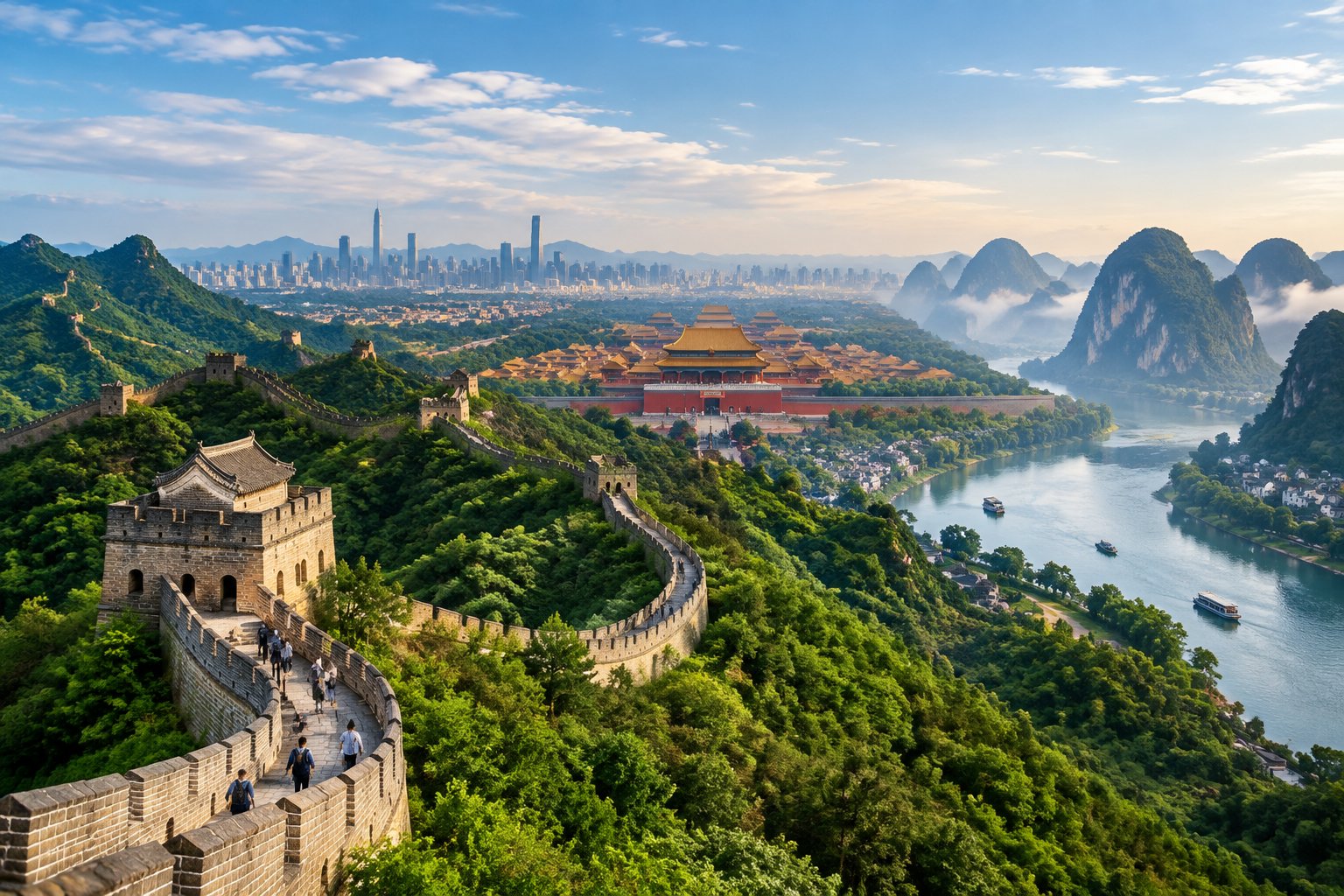
The top 10 hotspots in China span imperial capitals, river cities, mountain landscapes, and sacred sites. These locations rank among the best travel destinations in China for culture and scenic wonder. For a first trip, Beijing, Xi’an, and Shanghai make a strong starting route: you get major historic landmarks, the Terracotta Warriors, and a modern skyline linked by convenient city transport.
A longer China itinerary can add the Li River, Zhangjiajie, or Huangshan for dramatic scenery. For a smooth first trip to China, book major museum visits ahead and leave travel time between regions; China tours through specialists like Asia Odyssey Travel can also help organize transport across long distances.
Selecting the best time to visit China is also key when coordinating diverse climates between northern heritage centers and subtropical river basins.
This China travel guide outlines the premier sights and practical stays to help shape your journey.
Key Takeaways
- Pair Beijing, Xi’an, and Shanghai on a first trip to China for history and city life.
- Add mountain, river, or lake stops to shape a longer route.
- Choose stays close to transit or the sights you plan to visit.
Beijing: Imperial Landmarks and Great Wall Views
Beijing brings imperial China into focus through its palace complexes, temples, and nearby sections of the Great Wall of China. As the grand capital of imperial China for centuries, it holds several celebrated UNESCO World Heritage sites. Plan ahead for the Forbidden City, then choose a wall visit that fits your pace and preferred scenery.
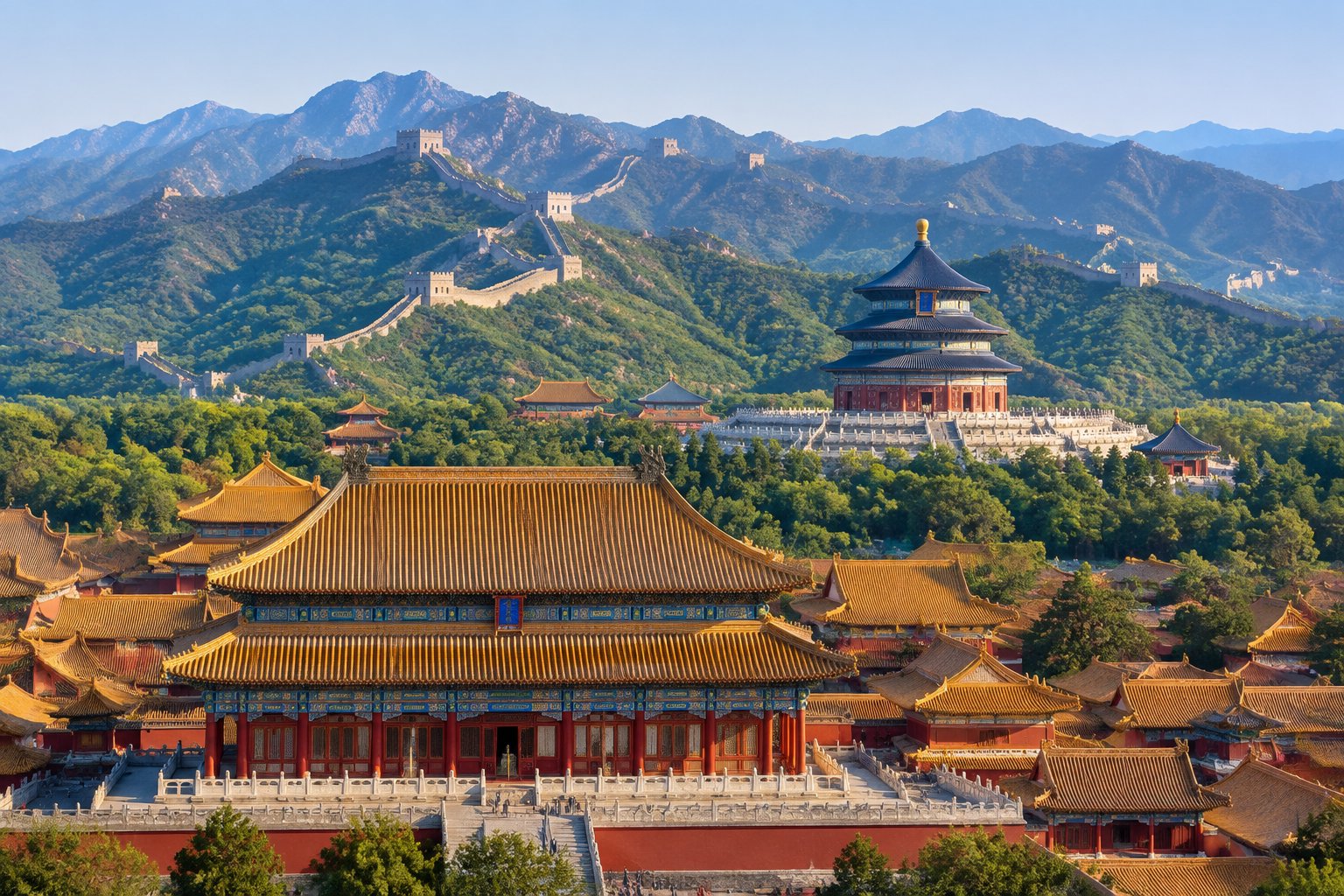
3 Absolute Highlights in Beijing
- Forbidden City: Walk through the former imperial palace built during the Ming Dynasty, now the Palace Museum. It is closed on Mondays except national holidays, and tickets must be booked in advance; the Palace Museum’s visitor information lists seasonal hours and entry details.
- Great Wall: The Mutianyu Great Wall is a popular choice for its restored towers and accessible paths, making Mutianyu a favorite for many travelers. For a longer hike, consider Jinshanling; Simatai offers a distinctive evening visit, while Badaling is another well-known section easily reached by train.
- Temple of Heaven and Summer Palace: Visit the Temple of Heaven’s ceremonial grounds, then set aside time for the Summer Palace’s gardens and lakeside views.
Where to Stay in Beijing
Choose central Beijing accommodation near a subway station to reach major sights with less backtracking. Planning your excursion to the Great Wall of China is equally simple when based near key express transit hubs. Dedicated shuttles and tours connect directly to the Mutianyu Great Wall, Jinshanling, or Badaling.
For the Forbidden City, check the Palace Museum’s opening day and book your entry before settling your daily route.
Xi’an: Terracotta Warriors and Ancient City Walls
Xi’an combines the Qin Dynasty’s famous Terracotta Army with historic city walls and landmarks tied to the Silk Road. Spending time in Xi'an gives travelers a vivid perspective on China's early dynasties and trade history. As one of the most celebrated China attractions, the archaeological site sits outside the center, so plan transport and entry ahead.
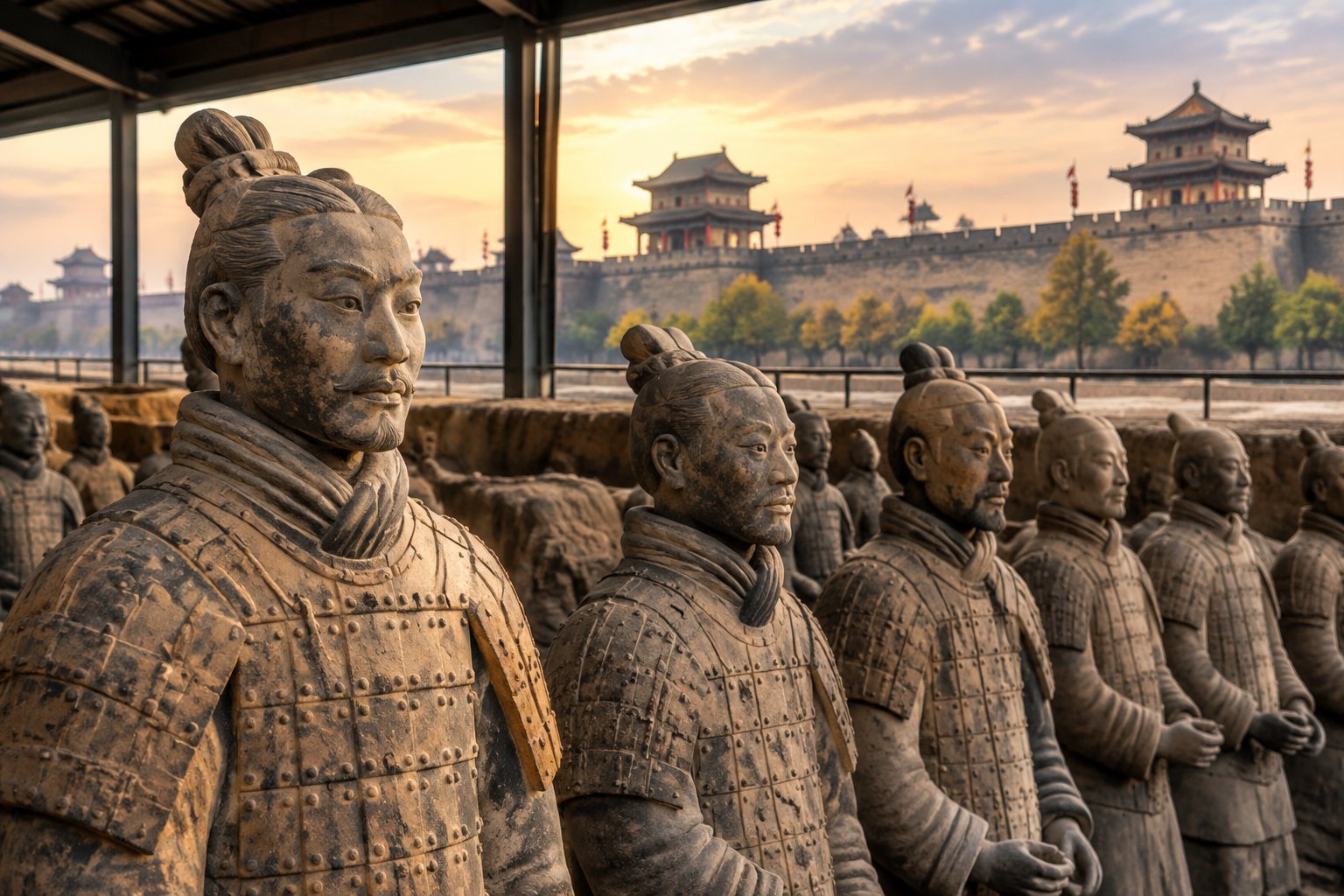
3 Absolute Highlights in Xi’an
- Terracotta Warriors: See the life-size figures made for the tomb of China’s first emperor. Commissioned during the Qin Dynasty, the burial complex of the first emperor remains one of the world's greatest archaeological discoveries. The official museum describes the visit as two parts, the Terracotta Warriors Museum and Lishan Garden, with shuttle buses connecting them; its visitor information covers current hours and reservations.
- Ancient City Wall: Walk or cycle along the wall for views over the old city and its newer neighborhoods.
- Big Wild Goose Pagoda: Visit this landmark associated with Buddhist learning and the city’s historic connections to the Silk Road. Ancient trade routes linked Xi'an across Xinjiang toward Central Asia. Xi’an also makes a useful starting point for longer westward journeys toward Dunhuang, the Mogao Caves, or Xinjiang.
Where to Stay in Xi’an
Stay near the Bell Tower or within the old city if you want easy access to central sights and restaurants. Novotel Xi’an The Bell Tower is close to the Bell Tower, Muslim Quarter, and city wall; the hotel’s location details note nearby metro access.
Shanghai: The Bund and a Skyline by the River
Shanghai gives you a striking contrast between historic waterfront architecture and a modern skyline across the Huangpu River. Explore the Bund on foot, then see the illuminated riverfront from a cruise.
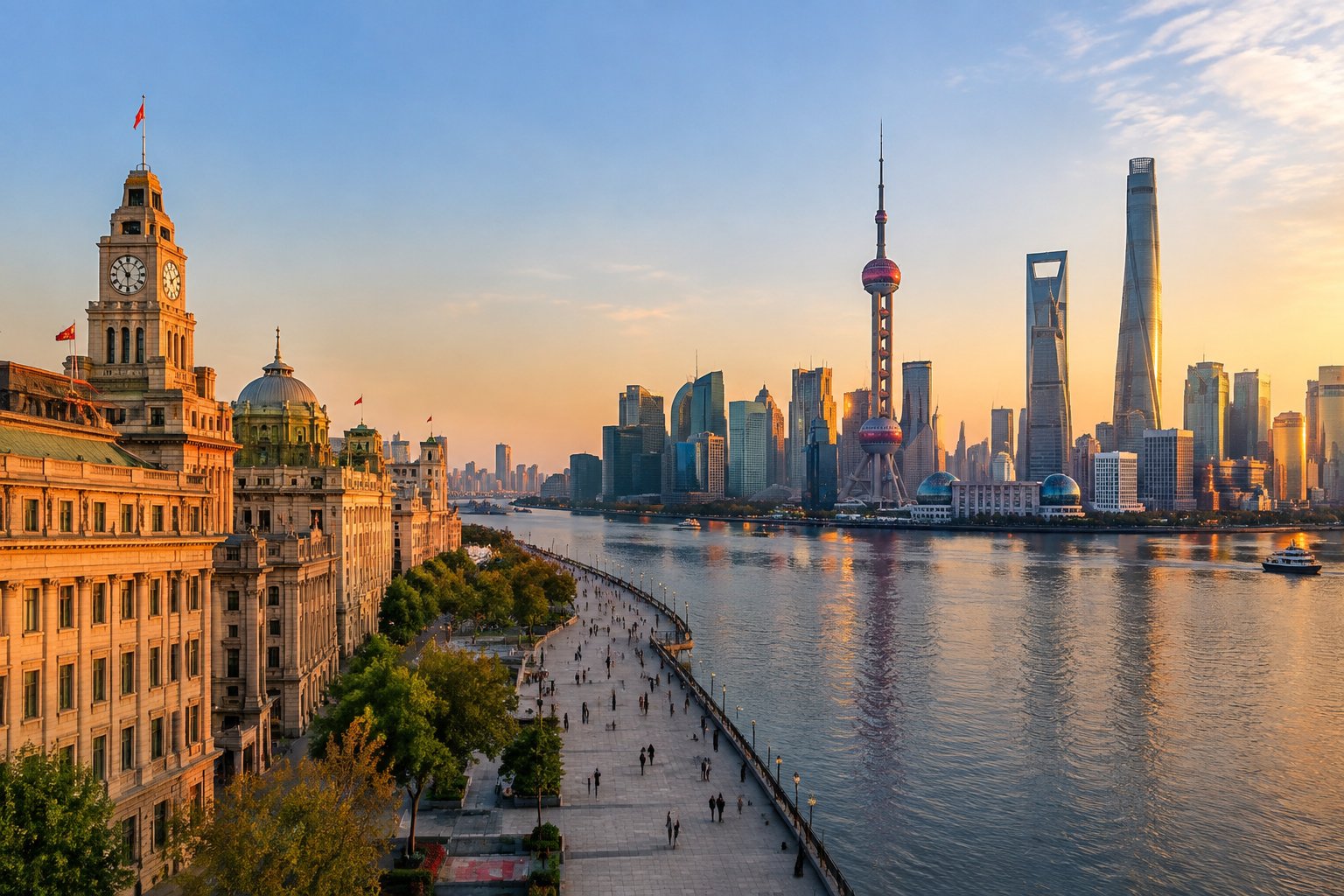
3 Absolute Highlights in Shanghai
- The Bund: Follow the waterfront promenade for views of historic buildings and Pudong’s towers.
- Huangpu River cruise: Take an evening sailing to see both banks lit up. The river makes the scale and contrast of Shanghai’s architecture easy to take in.
- French Concession: Wander leafy streets and explore historic lanes, cafés, and small shops. If you are adding Hong Kong to your trip, allow time for a separate flight or train journey.
Where to Stay in Shanghai
Choose accommodation around the Bund or Nanjing Road for central access, or stay near a metro station to simplify cross-city trips. Central Hotel Shanghai is beside the Nanjing Road pedestrian mall; its official hotel details give its Huangpu District address.
Guilin and Yangshuo: Karst Peaks Along the Li River
Guilin and Yangshuo are known for karst landscapes rising above the Li River. Taking a classic Li River cruise links breathtaking scenery with easy access to village walks and countryside routes.
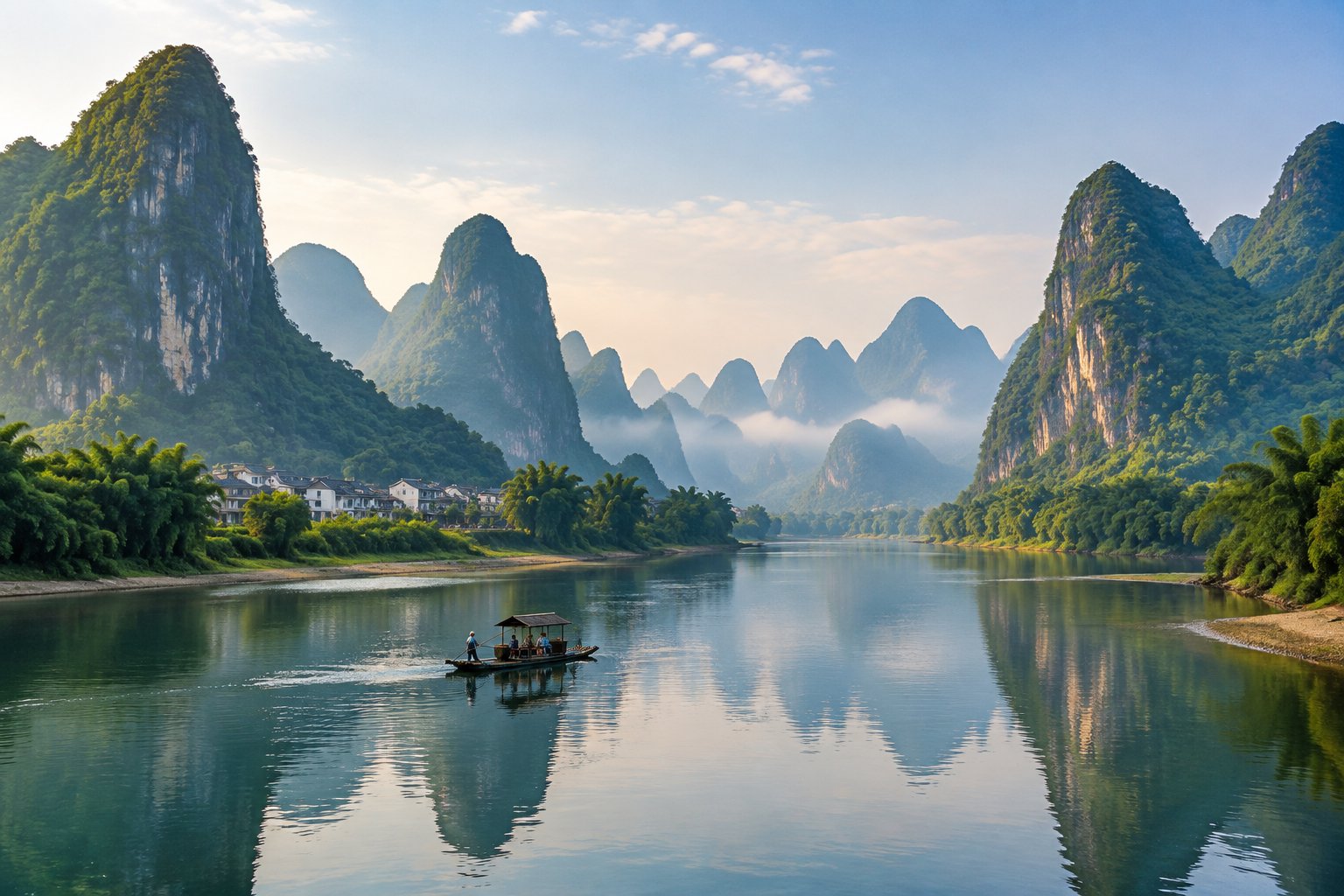
3 Absolute Highlights in Guilin and Yangshuo
- Li River cruise: Travel along the river between Guilin and Yangshuo, with limestone peaks and rural riverbanks along the route. The official Li River scenic area site provides cruise routes and visitor information.
- Yangshuo countryside: Explore the lanes and fields around town by bike or on foot, then return to the riverfront for a relaxed evening.
- Longji Rice Terraces: Take a day trip to the hillside terraces for layered views across fields and villages. The Longji Rice Terraces reward visitors with dramatic seasonal colors during planting and harvest. Allow extra travel time beyond Guilin.
Where to Stay Near the Li River
Stay in Guilin for city services and transport connections, or choose Yangshuo for a quieter base close to river and countryside activities.
A riverside stay puts you near boat departures for your Li River cruise, as well as day tour transport toward the Longji Rice Terraces.
Zhangjiajie: Sandstone Pillars and Sky-High Trails
Zhangjiajie stands out for its towering sandstone pillars, forested slopes, and high mountain paths. Give the national park enough time to explore its separate viewpoints without rushing between areas.
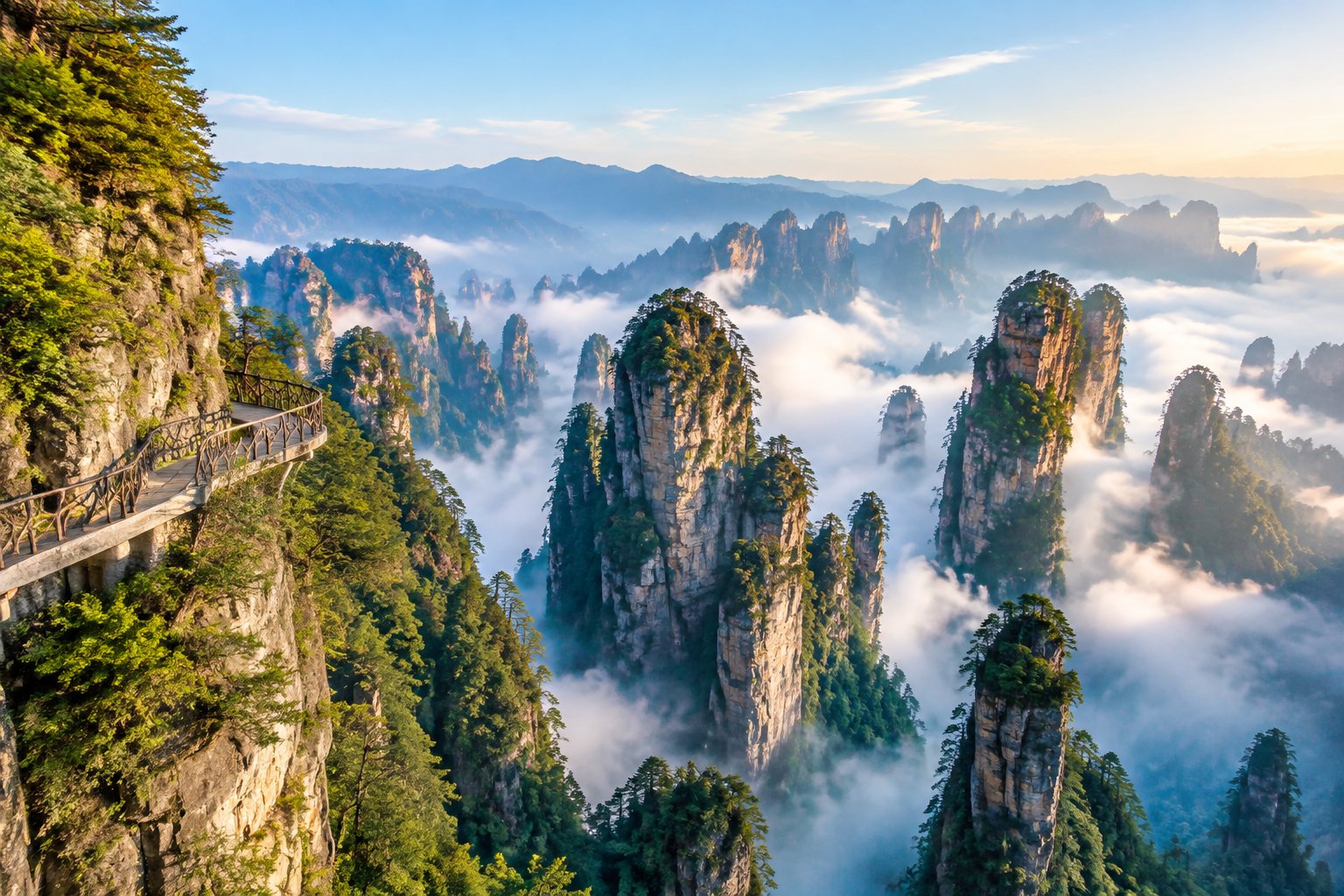
3 Absolute Highlights in Zhangjiajie
- Zhangjiajie National Forest Park: Follow park trails and viewpoints among the tall sandstone pillars.
- Yuanjiajie and Tianzi Mountain: Set aside time for these renowned viewpoints, where clouds and mist can shift the landscape’s appearance.
- Tianmen Mountain: Ride the cableway or walk mountain paths to see the dramatic rock arch known as Tianmen Cave.
Where to Stay Near Zhangjiajie National Forest Park
Base yourself in Wulingyuan for convenient access to the national forest park entrances. Zhangjiajie city is useful if you are prioritizing Tianmen Mountain or transport connections.
Huangshan: Yellow Mountain Scenery and Historic Villages
Huangshan Mountain, also called the Yellow Mountains, pairs steep granite peaks with old villages in Anhui Province. Often referred to simply as Yellow Mountain, this dramatic range has inspired landscape painters and poets for centuries. You can stay near the mountain for an early start or choose a village base for traditional streets.
Exploring this region of Anhui Province lets you discover traditional Huizhou architecture alongside dramatic peaks on Huangshan Mountain.
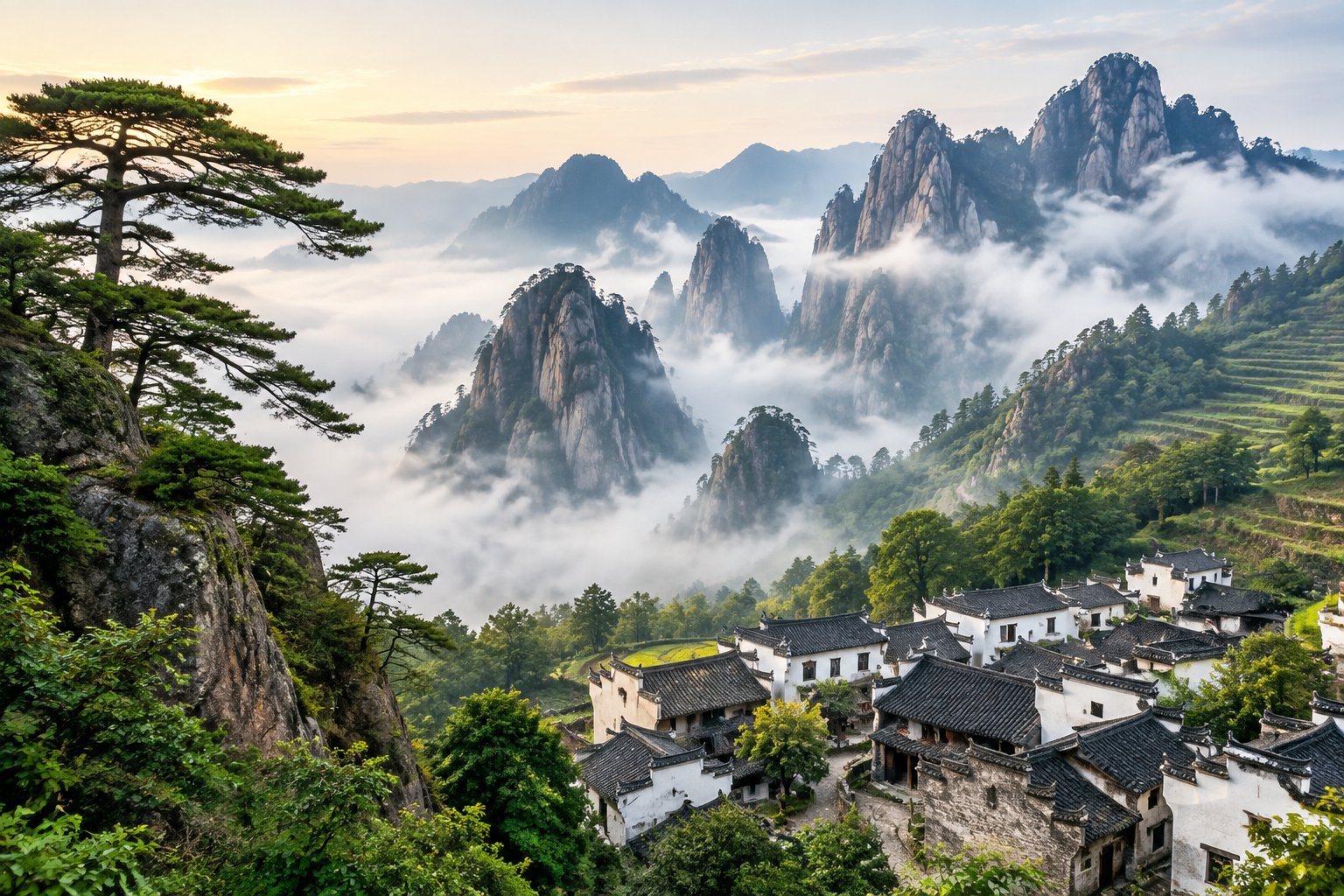
3 Absolute Highlights in Huangshan
- Mount Huangshan: Hike among granite peaks, pine trees, and changing cloud views across Huangshan Mountain. Check mountain conditions before setting out.
- Hongcun Village: Walk through lanes and courtyards in this historic village, known for traditional architecture and water features. The moon-shaped pond and ancient waterways make Hongcun Village a peaceful stop before or after climbing the mountain.
- Sunrise viewpoints: An overnight stay near the mountain gives you a chance to reach a viewpoint early, when the peaks emerge from morning cloud.
Where to Stay Near the Yellow Mountains
Staying directly on Yellow Mountain lets you reach high viewpoints for sunrise without waiting for morning cable cars. Alternatively, choose a hotel near the scenic area entrance for easier access to transport. WINCLOUD Beihai Huangshan is within the Beihai Scenic Area; its hotel information describes its mountain setting.
Hangzhou and Suzhou: Lakeside Calm and Classical Gardens
Hangzhou and Suzhou offer a gentler pace, with West Lake’s waterside scenery and gardens shaped by classical design. You can visit both cities on one route, with time to explore each at walking speed.
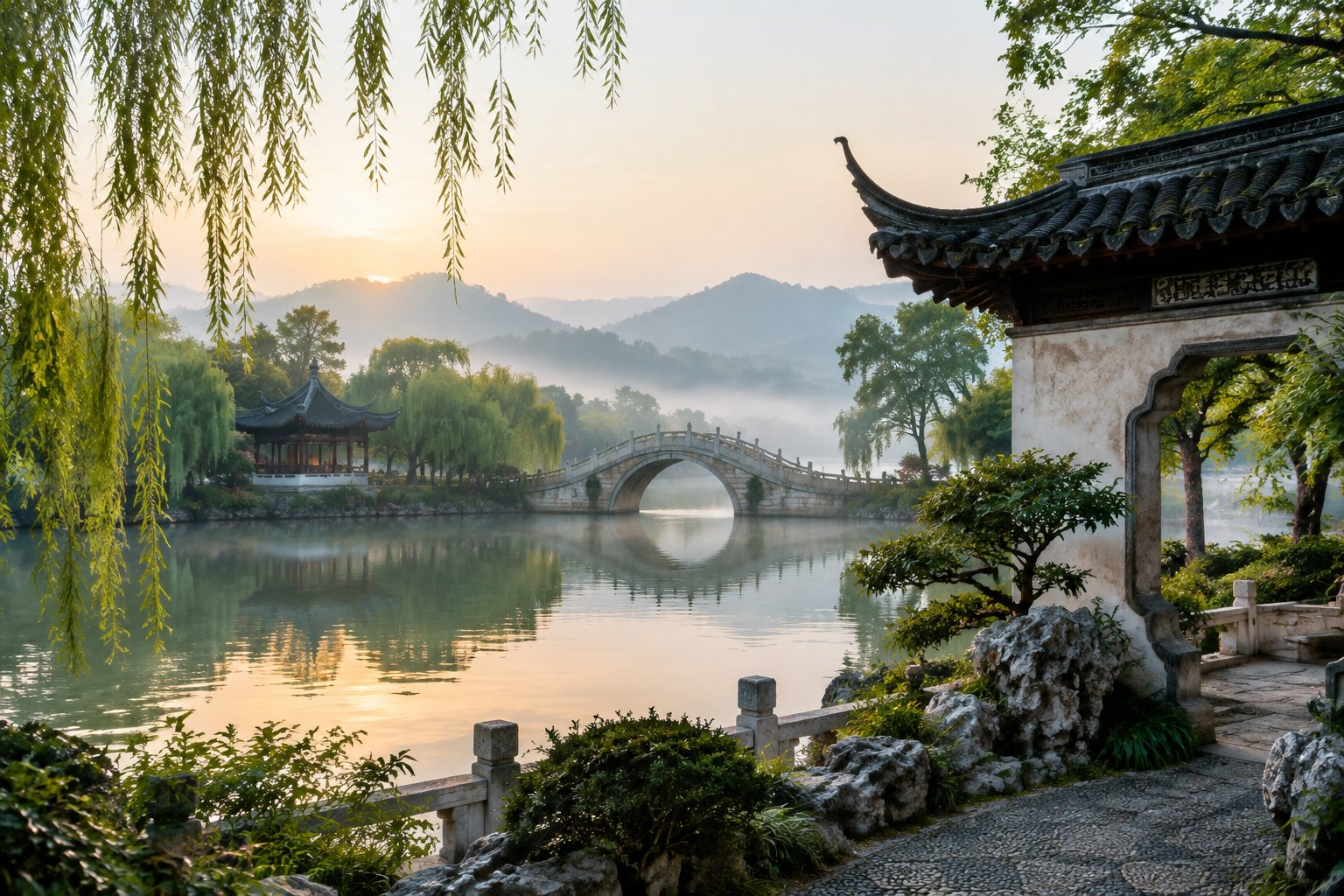
3 Absolute Highlights in Hangzhou and Suzhou
- West Lake: Walk or cycle beside the lake, or take a boat to view bridges, temples, and gardens from the water.
- Lion Grove Garden: Explore the rock formations, paths, and pavilions in one of Suzhou’s best-known classical gardens.
- Lingering Garden: Take time to move through its courtyards and garden rooms, which offer a quieter contrast to the city streets.
Where to Stay Near West Lake and Suzhou Gardens
Stay near West Lake if you want lakeside walks close at hand, or choose a central Suzhou base for access to its gardens. Sofitel Hangzhou Westlake is a short walk from West Lake; its hotel details describe its central location.
Chengdu and Sichuan: Pandas, Food, and Sacred Peaks
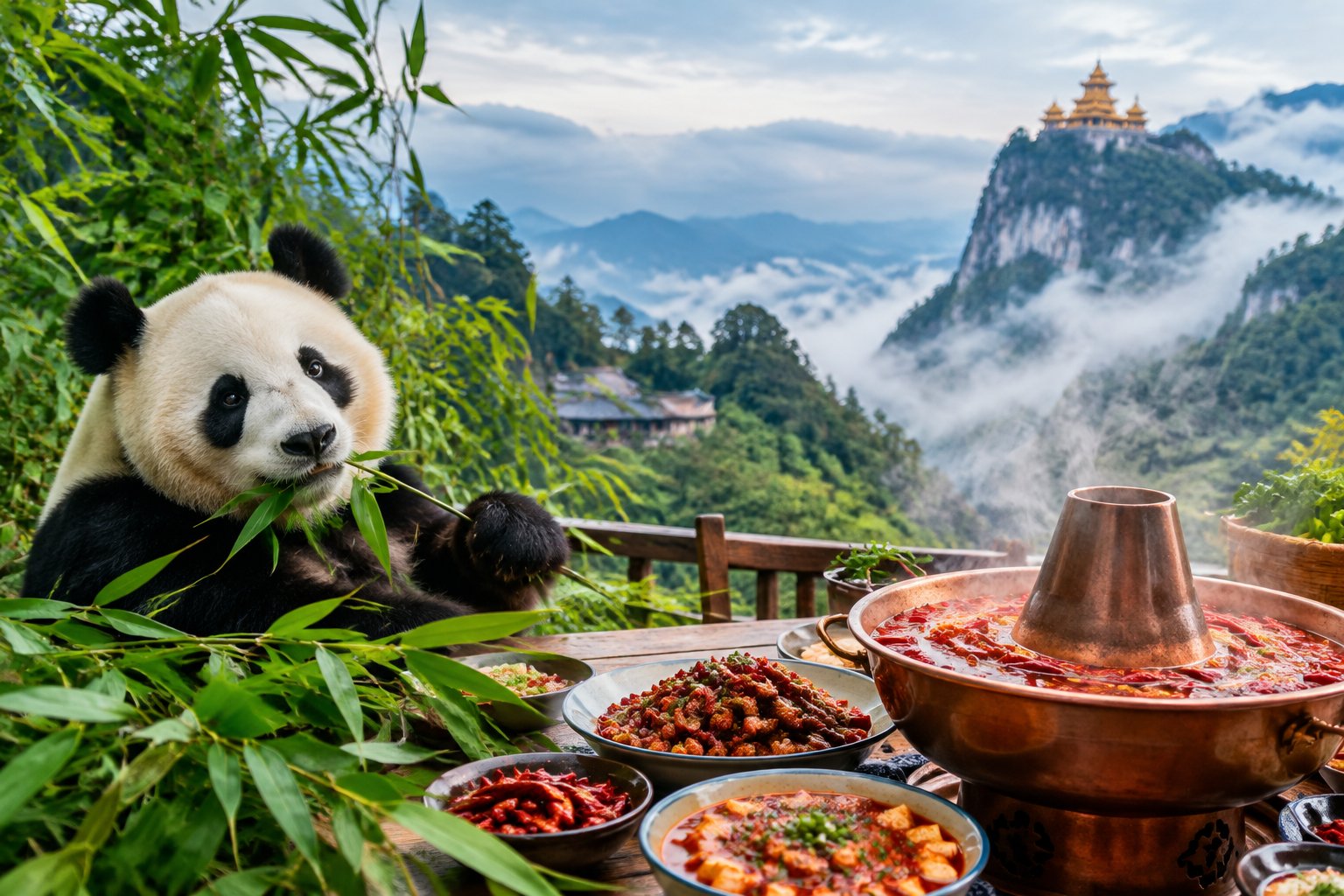
Chengdu is a practical base for meeting giant pandas and sampling Sichuan food, while the wider Sichuan Province adds famous cultural and natural sites. Build in travel time for day trips to the Leshan Giant Buddha, Mount Emei, or Jiuzhaigou Valley.
3 Absolute Highlights in Chengdu and Sichuan
- Chengdu Research Base of Giant Panda Breeding: Visit the Chengdu Panda Base early in the day, when pandas are more active.
- Sichuan food: Try local dishes in Chengdu, including hot pot, and choose a spice level that suits you.
- Leshan Giant Buddha and Mount Emei: The Leshan Giant Buddha is carved directly into a riverside cliff. Combine the colossal stone statue with time on sacred Mount Emei if your schedule allows; Jiuzhaigou Valley is a separate nature trip that needs additional travel days in northern Sichuan Province.
Where to Stay in Chengdu
Stay near a metro line for convenient city travel and easier access to dining areas. Central Chengdu also works well as a base for arranging early transport to the Chengdu Research Base of Giant Panda Breeding.
Urban transit makes it easy to explore local teahouses or plan deeper excursions into Sichuan Province.
Lhasa and Tibet: Palaces, Pilgrimage, and High-Altitude Scenery
Lhasa brings Tibetan culture and major pilgrimage sites into reach, while journeys farther across Tibet reveal high-altitude lakes and mountain landscapes. Travelers can also plan routes toward Mount Everest. Allow time to adjust to the elevation before planning strenuous walks or longer excursions.
3 Absolute Highlights in Lhasa and Tibet
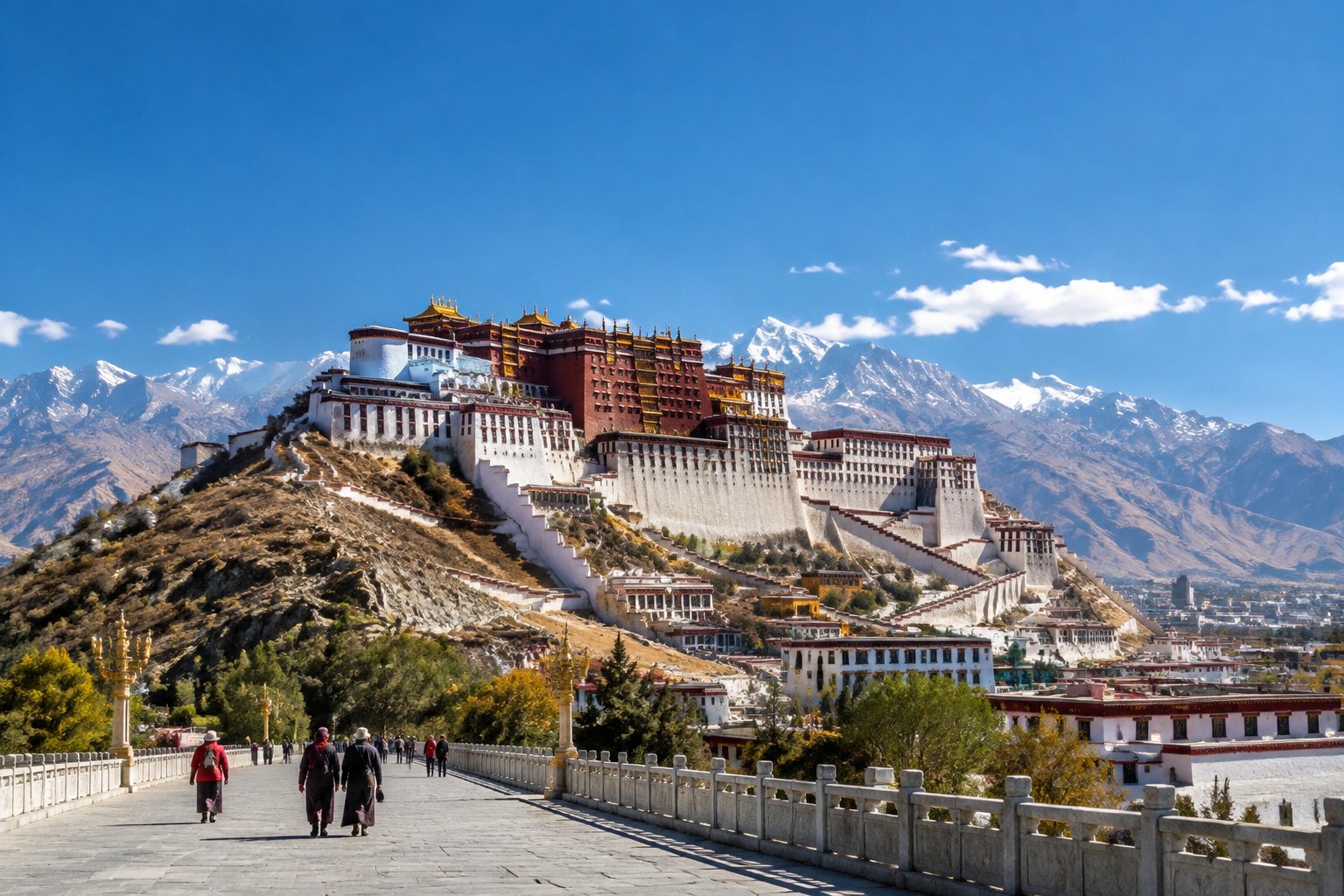
- Potala Palace: Explore this landmark above Lhasa and take in its commanding position over the city. Built high on the mountain slopes, the Potala Palace stands as Tibet's most recognizable cultural monument.
- Jokhang Temple and Barkhor Street: Visit the temple and follow the surrounding pilgrimage route through a lively historic district where Tibetan culture thrives in daily devotion.
- Yamdrok Lake and farther journeys: Plan a dedicated trip for Yamdrok Lake or Everest Base Camp. Travelers heading toward Everest Base Camp get dramatic vistas of Mount Everest. Standing before Mount Everest offers an awe-inspiring reward after crossing high mountain passes. Mount Kailash is another major expedition requiring careful planning; the Qinghai-Tibet Railway offers an overland route from Qinghai.
Where to Stay in Lhasa
Choose a central Lhasa stay near Barkhor Street to reach the Jokhang Temple on foot and experience authentic Tibetan culture up close.
Several downtown hotels also provide clear views of the Potala Palace illuminated at night. Accommodation ranges from guesthouses to larger hotels; a Lhasa hotel guide describes options around the city center.
The Yangtze River: Three Gorges Cruise Country
The Yangtze River cuts through sweeping gorges and steep cliffs, creating one of the world's most storied waterways. A Yangtze River cruise lets you experience the Three Gorges from the water, with Chongqing serving as a common place to begin or extend your trip.
Booking a multi-day Yangtze River cruise offers a relaxing way to see dramatic river valleys. Check your sailing’s port and schedule when planning overnight stays.
3 Absolute Highlights Along the Yangtze
- Qutang Gorge: Watch the river pass through a narrow stretch framed by steep cliffs.
- Wu Gorge: Look for forested slopes and peaks along this scenic reach of the river.
- Xiling Gorge and Three Gorges Dam: Take in the gorge scenery and the engineering scale of the Three Gorges Dam as your itinerary allows. Touring the site reveals how the massive Three Gorges Dam reshaped river navigation and flood control along the Yangtze.
Where to Stay in Chongqing Before Your Cruise
Stay near Chaotianmen or a central metro station for easier access to the Yangtze River piers and city sights. voco Chongqing Chaotianmen sits above Chaotianmen Station; its hotel information notes nearby access to Hongya Cave and Jiefangbei.
Choose a Route That Fits Your China Trip
A strong China tour connects nearby destinations and leaves enough time for long-distance transfers. Crafting a balanced China tour ensures you experience historic capitals alongside peaceful natural retreats.
For a one-week first trip, focus on Beijing, Xi’an, and Shanghai; with extra days, add a landscape stop such as Guilin or Zhangjiajie.
For a longer journey, consider Yunnan, where Dali, Kunming, Erhai Lake, Lijiang Old Town, Jade Dragon Snow Mountain, and Meili Snow Mountain each offer a different mix of scenery and culture.
Arriving in Kunming provides an ideal start, allowing travelers to acclimate in a mild climate before boarding high-speed trains toward western Yunnan. From Kunming, you can travel comfortably to ancient towns and alpine highlands.
Traveling across Yunnan reveals distinct ethnic cultures against backdrop views of lakes and snowy peaks. A stop in Dali provides a peaceful setting to bike along lakeside trails and explore historic architecture.
Cycling the scenic paved paths around Erhai Lake offers sweeping views of the water and traditional Bai villages. Spending a few days around Dali lets you experience artisan markets and mountain cafes at an easy pace.
Use rail or air connections to reduce backtracking, and keep room in your schedule for travel days.
Match Your Stops to the Kind of Trip You Want
Your preferred pace and interests can help you choose between cities, cultural sites, and outdoor landscapes. For a city-focused route, pair Beijing, Xi’an, and Shanghai; for scenery, combine Guilin with Zhangjiajie or Huangshan.
Families may enjoy panda visits and accessible Great Wall routes such as Mutianyu. If you also want a major international-city contrast, Hong Kong’s Victoria Peak adds a memorable skyline view.
Build Your China Trip Around the Experiences You Value Most
Choose a few anchor experiences, then build the route around their locations and travel time. Reserve timed-entry visits for major museums, keep overnight stays near your priority sights, and leave extra space for journeys between regions.
Frequently Asked Questions
What are the top 10 tourist spots in China?
A strong selection includes the Great Wall, Forbidden City, Terracotta Warriors, Shanghai’s Bund, the Li River, Zhangjiajie National Forest Park, Huangshan, West Lake, the Potala Palace, and the Yangtze Three Gorges. The Terracotta Army in Xi'an ranks high among these world-renowned cultural wonders.
What is China’s number one tourist attraction?
The Great Wall is one of China’s best-known attractions and a leading choice for first-time visitors. The Forbidden City and Terracotta Warriors are also major highlights if you want a deeper focus on Chinese history.
What is the best time to visit China?
Spring and autumn offer comfortable conditions for many parts of China, though weather varies widely across the country. Choosing the best time to visit China depends on whether you prefer mild temperatures for city touring or lush green landscapes.
For the Forbidden City, check current opening hours and book ahead; the Palace Museum’s visitor page lists seasonal hours and notes that tickets are not sold on the day of your visit.
Which China destinations are best for a first trip?
For a first trip to China, Beijing, Xi'an, and Shanghai offer the ideal introductory route. They link imperial landmarks, the Terracotta Army, and modern city life. You can also hike parts of the Great Wall at Jinshanling or Simatai, and add Guilin or Zhangjiajie if time permits.
Which hotspots in China are best for families?
The Mutianyu Great Wall is a family-friendly choice thanks to cable cars and gentle paths, while Badaling provides direct train service from the city center. Chengdu’s panda base also appeals to visitors of all ages, while Shanghai offers a wide mix of city attractions, parks, and family activities.
Comments