Brazil’s top hotspots combine landmark cities, immense wild spaces, historic towns, and coastlines shaped for different kinds of trips. Widely recognized among the best places to visit in Brazil, these destinations showcase remarkable variety. For your first visit, pair Rio de Janeiro with one cultural city and one nature destination, such as Salvador and Iguazu Falls. Brazil is vast, so choosing a few regions gives you more time to enjoy each stop.
Key Takeaways
- Choose cities for music, food, and history.
- Add a nature stay for rainforest, wetlands, or waterfalls.
- Match your route and lodging to the places you most want to explore.
Which Cities Best Capture Brazil’s Energy?
Brazil’s cities bring together beach life, historic streets, live music, and bold food traditions. Rio, Salvador, São Paulo, and Recife each offer a distinct way to experience Brazilian culture.
Rio de Janeiro: Beaches, Mountains, and Iconic Views
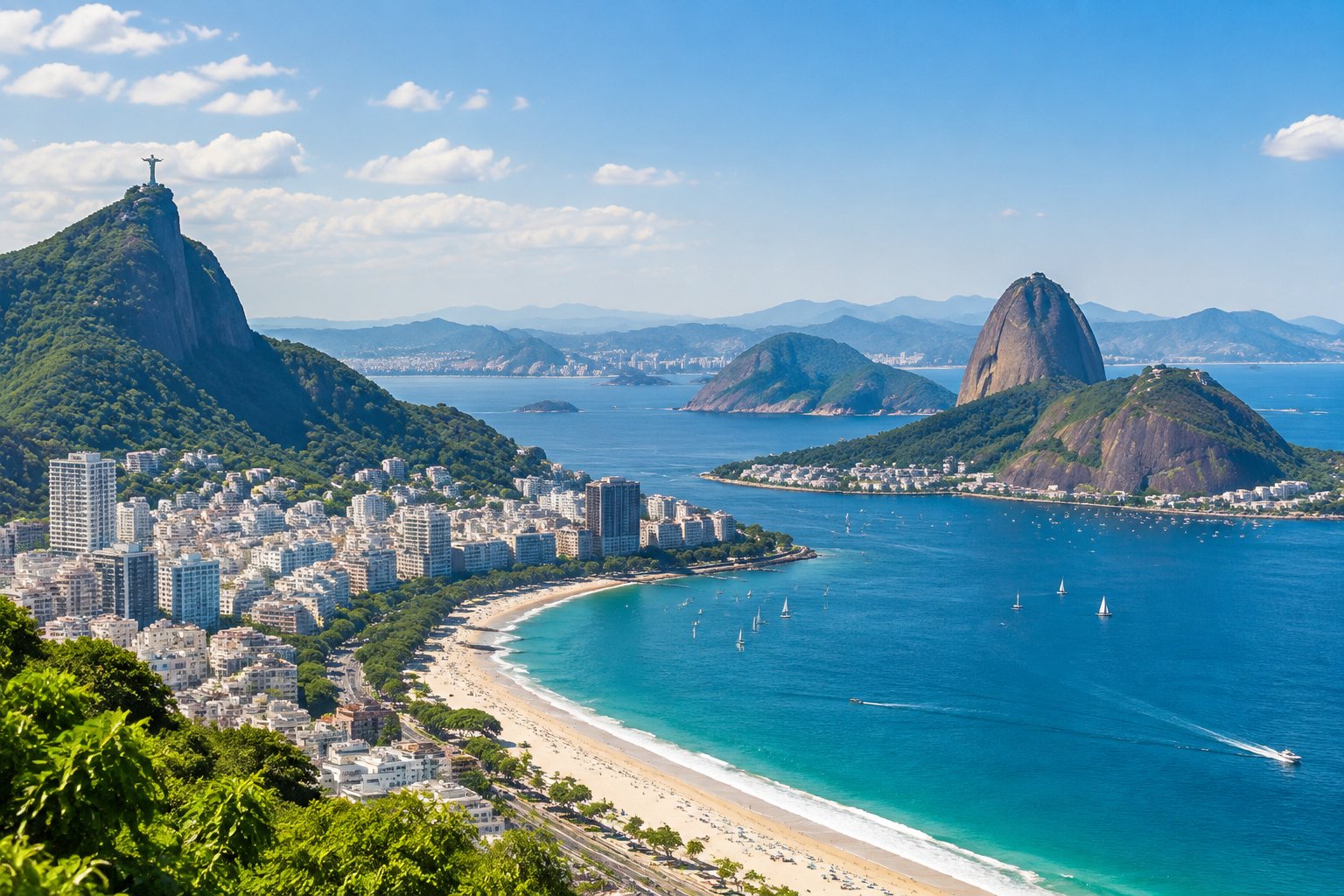
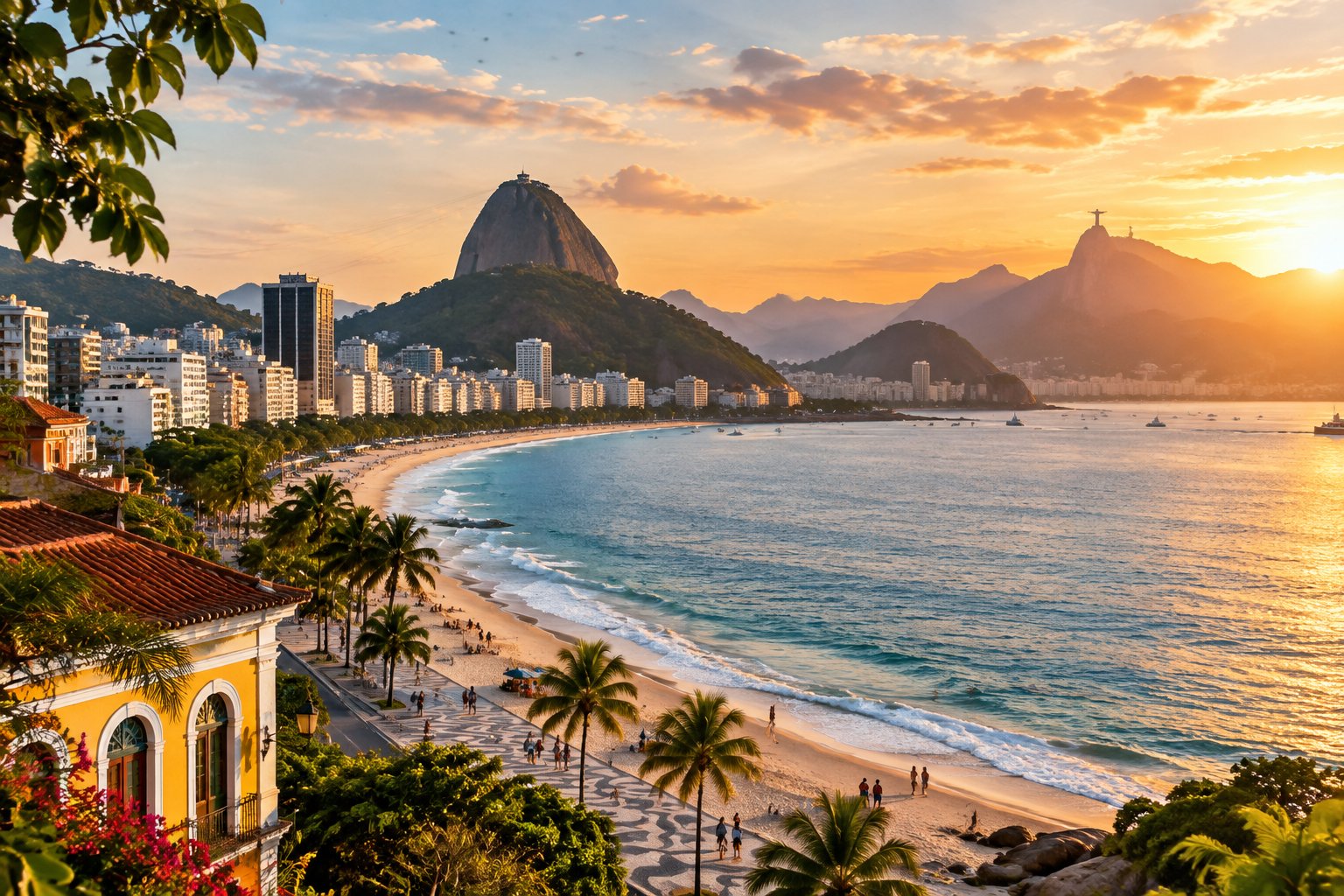
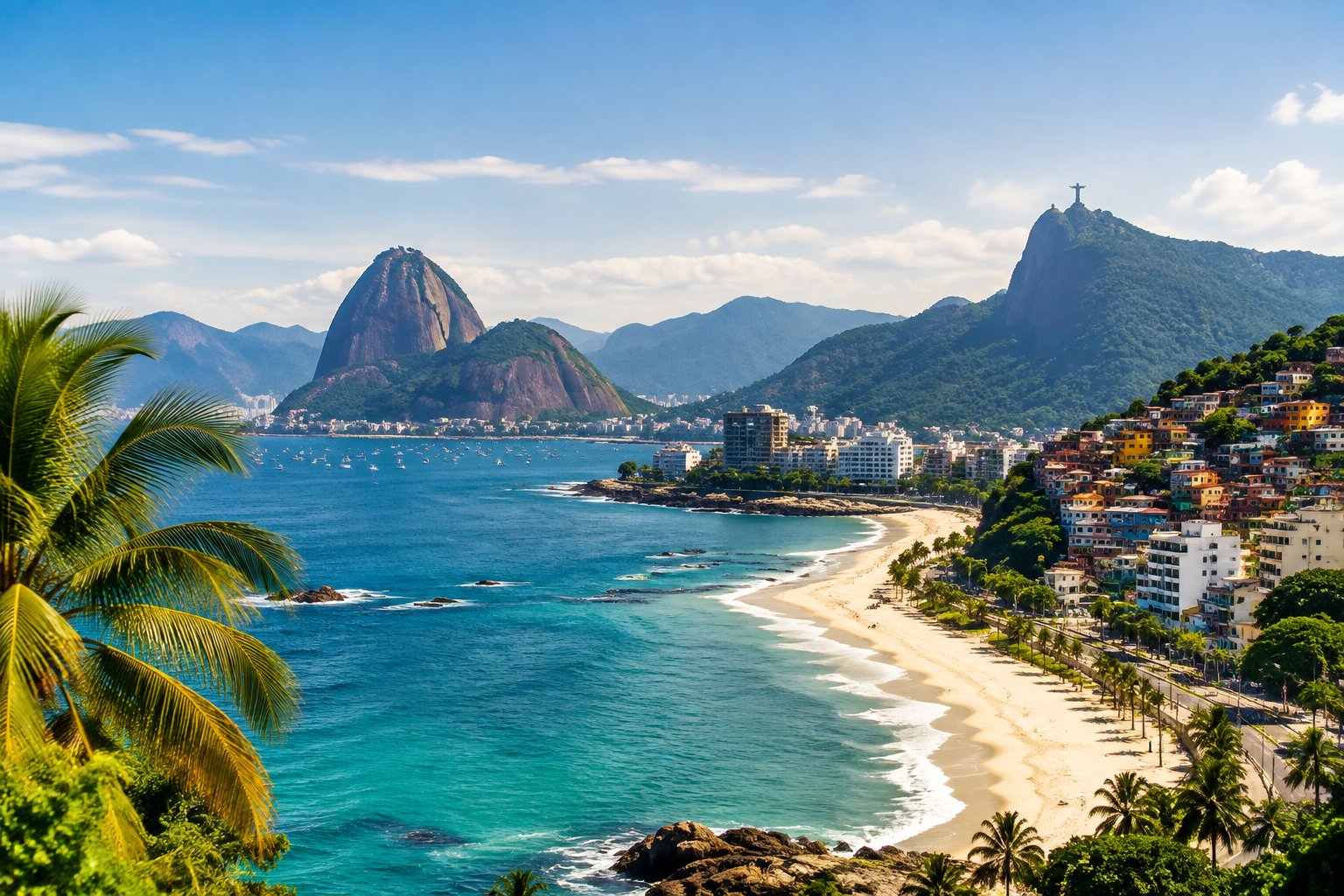
Rio de Janeiro puts famous landmarks and city beaches within easy reach of one another. Ride up Corcovado Mountain to see Christ the Redeemer, then take in Sugarloaf Mountain, Guanabara Bay, and the curve of Copacabana Beach from another viewpoint.
A train ride through the forest up Corcovado Mountain brings you directly to the summit. Standing before Christ the Redeemer provides sweeping panoramic views of the whole city.
Afterward, taking the cable car to Sugarloaf Mountain offers breathtaking angles across the bay, especially near sunset.
Ipanema is a good pick for a beach day, renowned for its golden shore and mountain backdrop. Spending time along Ipanema lets you soak in the coastal energy before dusk.
After sunset, Lapa draws you out for music and nightlife. Visiting Lapa puts you in the middle of traditional samba bars and lively neighborhood street gatherings.
For a historic beachfront stay, you could choose Copacabana Palace, which has a private area on Copacabana Beach.
Salvador: Afro-Brazilian Culture and Historic Streets
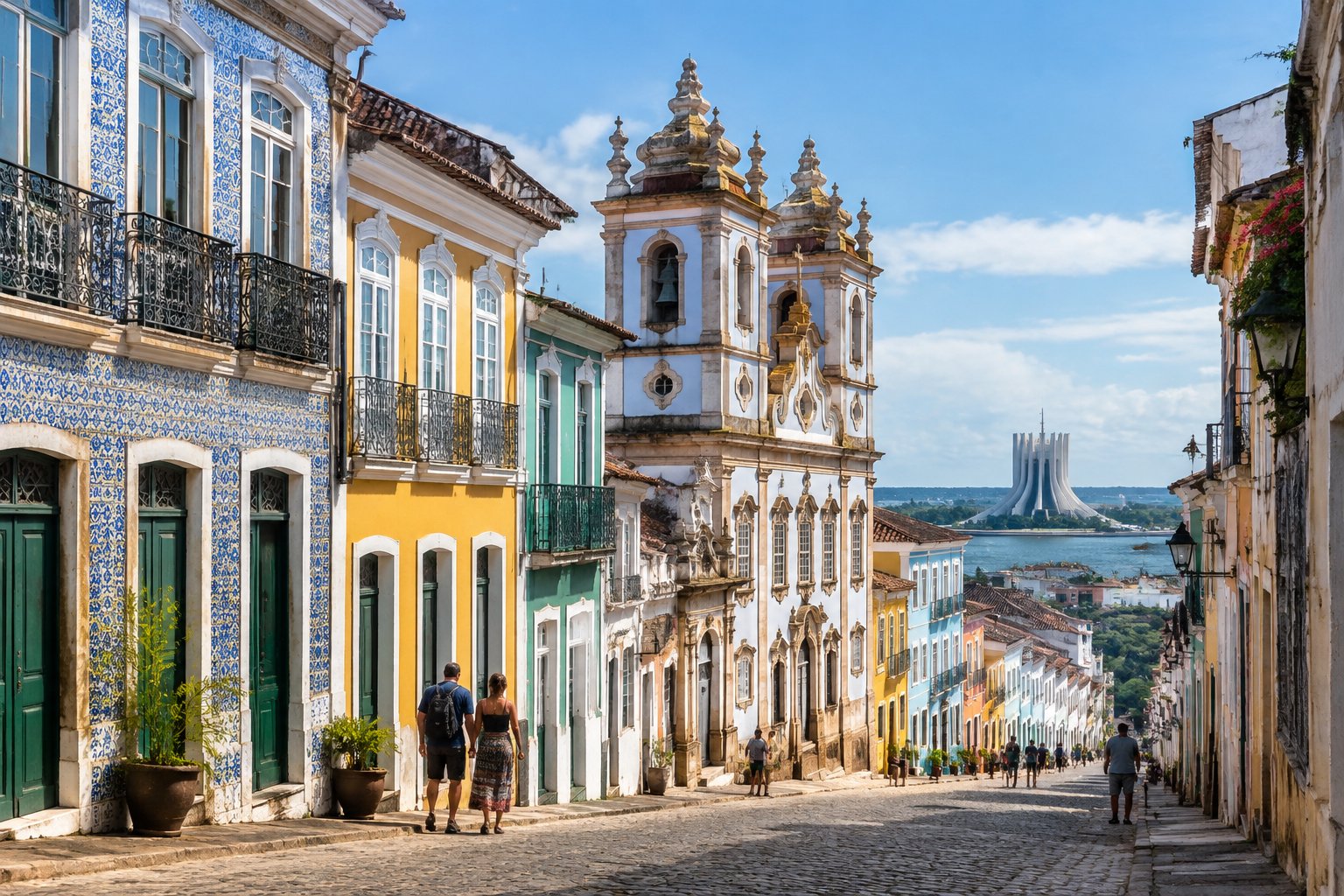
Salvador, the coastal capital of Bahia, is a strong choice when you want to connect food, music, and history in one city. Explore Pelourinho’s colonial streets, look for capoeira in public squares, and try Bahian dishes such as moqueca and acarajé. The city’s Afro-Brazilian culture is part of its everyday rhythm.
Watching a circle of capoeira demonstrates how martial arts and rhythmic music intertwine in Salvador. Practitioners of capoeira honor centuries of traditions passed down through generations.
In Pelourinho, pastel-colored colonial buildings frame lively plazas filled with street drummers and artisan workshops. Spending an afternoon in Pelourinho immerses you in the historic core of Salvador.
Fasano Salvador sits in the historic center at Castro Alves Square, with views over All Saints Bay and 70 rooms across six categories.
Travelers exploring Bahia can also venture inland to Chapada Diamantina National Park. The park features soaring table-top mountains, dramatic canyons, and hidden river caves.
São Paulo: Food, Art, and Big-City Life
São Paulo rewards you with a wide range of restaurants, galleries, and neighborhoods to explore. Set aside time for a meal that reflects the city’s many food traditions, then spend an afternoon with its street art or museums. For a central base, look at hotels around Jardins or Avenida Paulista.
Nature enthusiasts venturing outside the capital can journey into the Ribeira Valley. This lush corridor preserves ancient Atlantic forest tracts and extensive cavern systems.
Recife: Canals, Carnival, and Nearby Olinda
Recife pairs waterways and coastal city life with easy access to Olinda’s historic center. Walk among Olinda’s colorful buildings, then seek out Recife’s music and food; during Carnival, frevo brings its own pace and style to the festivities. Plan time for both cities so you can experience their different settings.
Further north along the coast, Fortaleza delivers wide sunny beaches and energetic nightlife. It serves as another favorite gateway for regional dunes and coastal watersports.
Where Can You Experience Brazil’s Wild Side?
Iguazu Falls, the Amazon, and the Pantanal are three standout places to visit in Brazil for dramatic landscapes and wildlife. Each calls for a different kind of stay, from a waterfall-side hotel to a guided forest or wetland lodge.
Iguazu Falls: Feel the Power of Devil’s Throat
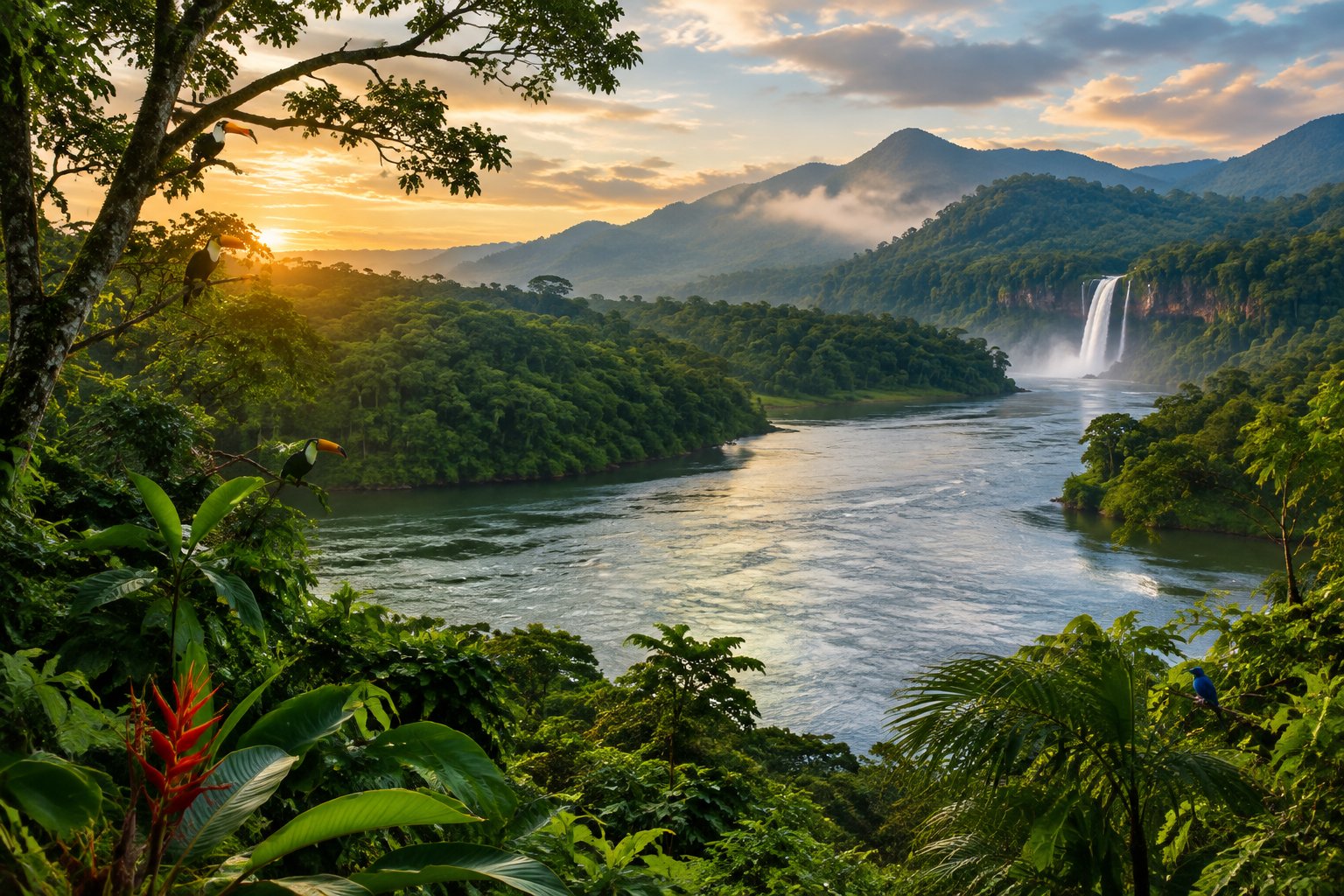
Located in the state of Paraná, Iguazu Falls brings you close to the spray and roar of hundreds of cascades. The Brazilian side near Foz do Iguaçu offers wide views of Devil’s Throat, the immense chasm at the heart of the falls. For a stay inside the national park, Hotel das Cataratas is located within Iguassu Falls National Park.
The Amazon: Rainforest Adventures from Manaus
As the capital of Amazonas, Manaus is a practical gateway to the Amazon Rainforest, where travelers can take boat trips along the majestic Amazon River. Many visitors book an Amazon River cruise to see remote tributaries, while others stay at ecolodges deep in the canopy.
Exploring the Amazon Rainforest with experienced local guides reveals astonishing wildlife, from pink river dolphins to toucans. Guided excursions through the Amazon Rainforest also introduce you to traditional communities and native plant life along the riverbanks.
You can pair time in the city with a guided stay along the Rio Negro, where canoe outings bring you closer to the forest. Anavilhanas Jungle Lodge is across the river from Anavilhanas National Park, with tours shaped around the length of your stay.
Pantanal: Brazil’s Best Wildlife-Watching Region
The Pantanal’s open wetlands make wildlife easier to spot than in dense forest, and the dry season from July to October is noted for concentrated animal activity. Choose a lodge with guided outings, and keep your camera ready for birds and mammals around rivers and lagoons.
SouthWild Pantanal Lodge sits near the Transpantaneira Road and offers wildlife walks and boat outings.
Many travelers combine a Pantanal safari with a visit to Bonito in Mato Grosso do Sul. This ecotourism hub is famous for spring-fed rivers where you can snorkel beside vibrant freshwater fish.
Clear waters around Bonito offer exceptional visibility for exploring subterranean caverns and natural springs. Snorkeling in Bonito brings you face-to-face with thriving river life in calm freshwater settings.
Which Historic and Architectural Stops Are Worth Adding?
For architectural history, Brasília offers a striking modernist city plan, while Ouro Preto and Inhotim add art and heritage to a Minas Gerais visit. These cultural stops suit you if you want a change of pace from beaches and wildlife areas.
Brasília: Modernist Landmarks by Oscar Niemeyer
Brasília gives you a concentrated look at modernist design by Oscar Niemeyer and urban planner Lúcio Costa. Visit the Cathedral of Brasília and explore the city’s landmark buildings by car, since the broad layout makes long walks between sights impractical.
Striking government palaces by Oscar Niemeyer showcase swooping white concrete curves against wide skies. Add a day for museums and civic landmarks if architecture is a central reason for your visit.
Ouro Preto: Colonial Splendor in Minas Gerais
Set among the hills of Minas Gerais, Ouro Preto is famous for its steep cobblestone slopes and baroque architecture. The historic town grew during the 18th-century gold rush and retains exquisite churches decorated with gold leaf and soapstone carvings.
A walking tour of Ouro Preto reveals museum-filled mansions, historic bridges, and artisan markets. Known as one of the best places to visit in Brazil for history lovers, Ouro Preto pairs beautifully with the contemporary sculptures of Inhotim across Minas Gerais.
Where Should You Go for Island, Beach, and Dune Escapes?
Fernando de Noronha and Lençóis Maranhenses offer two very different escapes: protected island waters and a landscape of dunes with seasonal lagoons. Paraty and its Saco de Mamanguá add a coastal mix of preserved architecture, islands, and calm-water outings.
Fernando de Noronha: Protected Island Waters
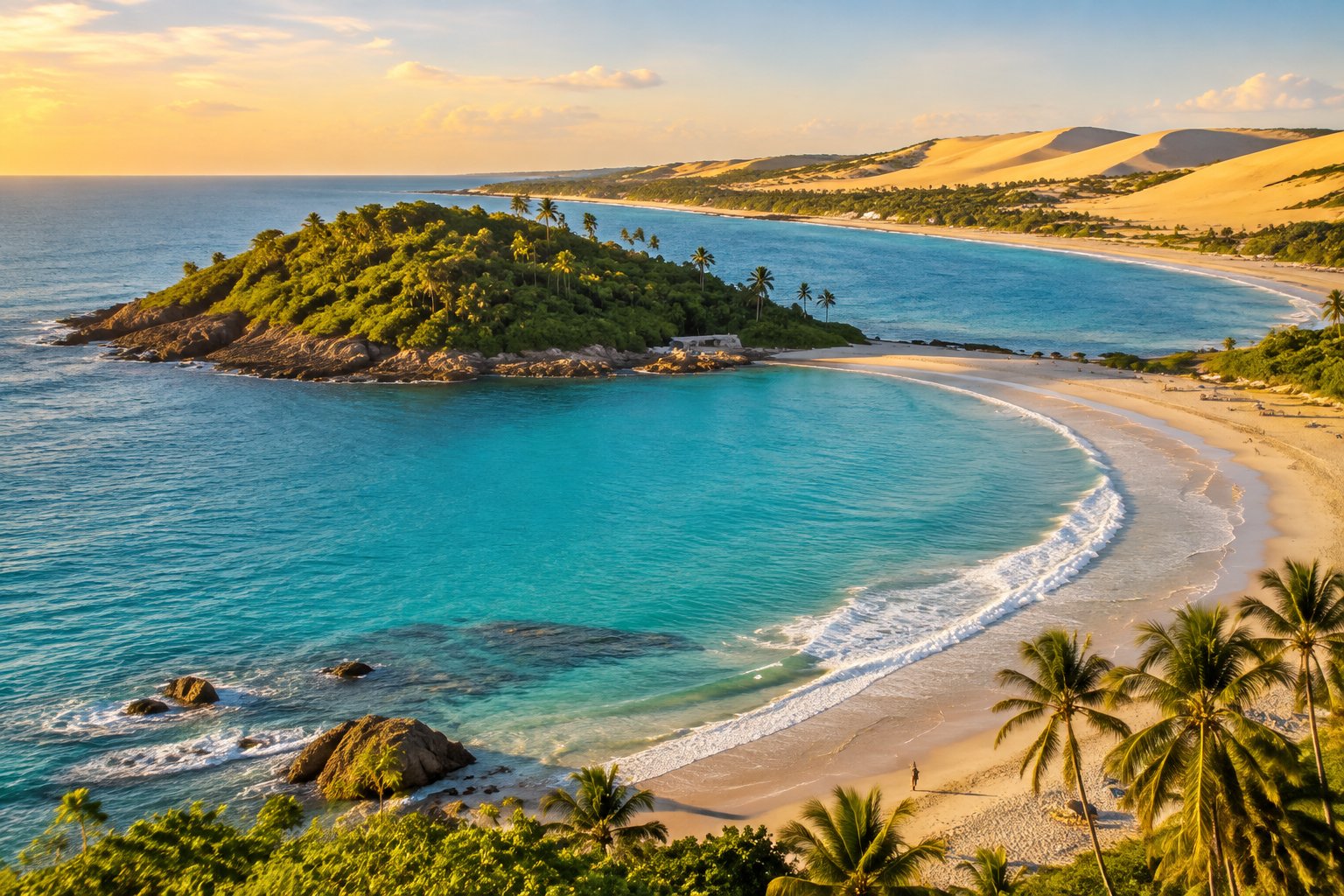
Fernando de Noronha is a strong pick for snorkeling, diving, and beach time in clear water. Its marine park includes Praia do Sancho, Praia do Leão, and natural pools with visitor limits at some sites. Reserve an authorized guide for park activities, and look at Pousada Morena for a stay with views toward Morro do Pico.
Lençóis Maranhenses: Dunes and Seasonal Lagoons
Set along the northern coast of Maranhão, Lençóis Maranhenses National Park is known for white dunes and rain-filled lagoons. Barreirinhas and Santo Amaro serve as popular access towns for exploring this unique landscape.
The park is open year-round, and you should use authorized guides and vehicles for visits. Pousada Brisa dos Lençóis in Barreirinhas offers a base for local excursions; bring water, sun protection, and insect repellent for time outdoors.
Paraty: Colonial Heritage and Coastal Escapes
Located on the coast between Rio de Janeiro and São Paulo, Paraty features whitewashed colonial buildings, cobblestone streets, and emerald bays. The town makes one of the best places to visit in Brazil for travelers who want culture paired with island boat trips.
Beyond the historic center, Paraty opens up adventures like kayaking into the tropical fjord of Saco de Mamanguá or hiking along hidden forest trails. Cozy pousadas throughout Paraty offer peaceful stays within walking distance of the historic waterfront.
Jalapão: Red Dunes and Natural Springs
In the heart of Tocantins, Jalapão attracts adventurers with its red-sand dunes, flat-topped plateaus, and roaring rivers.
A highlight of any visit is swimming in a fervedouro, a natural upwelling spring where swimmers float effortlessly on bubbling water. Stepping into a fervedouro creates a weightless sensation due to powerful underground water pressure.
Florianópolis: Island Escapes and Coastal Trails
Known affectionately as Florianopolis, this island capital in southern Brazil features over forty distinct beaches. Surfers, hikers, and beach lovers flock to Florianópolis to enjoy coastal trails, fresh seafood, and scenic lagoons.
Staying in Florianópolis lets you choose between peaceful northern resort beaches and breezy surfing shores to the south.
Travelers exploring southern Brazil often head inland to Gramado in the Serra Gaúcha. The mountain town is famous for its European architecture, seasonal festivals, and artisan chocolate shops.
Choose Hotspots That Match Your Brazil Trip
Build your route around a few regions, since Brazil’s size makes trying to see every hotspot in one trip a demanding plan. Deciding on the primary places to visit in Brazil will help you experience the highlights without feeling rushed.

Combine city time with one major nature experience, then add an island, dune, or historic-town stop if your schedule allows. For a first trip, Rio de Janeiro and Salvador make a strong pairing.
If wildlife is your priority, choose the Pantanal or an Amazon lodge; for coastal scenery, consider Fernando de Noronha or Lençóis Maranhenses. Brazil’s tourism board features suggested routes ranging from 5 to 14 days, which can help you shape a trip around the time you have.
Frequently Asked Questions
What are the top places to visit in Brazil for a first trip?
Start with Rio de Janeiro to admire Christ the Redeemer, then add Salvador for culture or São Paulo for food and museums. If you have time for a nature stop, Iguazu Falls gives you a memorable contrast to city life.
Which places in Brazil are best for beaches and nature?
Choose Rio or Fernando de Noronha for beach time, Lençóis Maranhenses for dunes and seasonal lagoons, and the Pantanal or Amazon for wildlife. Your choice depends on whether you want an easy coastal stay or a guided nature trip.
How many days do you need to visit Brazil’s main hotspots?
Plan at least a week for a focused trip to two destinations, and allow more time if you want to cross regions. Brazil’s national tourism itineraries include suggested routes from 5 to 14 days.
What is the best time of year to visit Brazil?
The best timing depends on your destination and planned activities. For Pantanal wildlife viewing, July to October is the dry season; Lençóis Maranhenses is open year-round, with lagoons shaped by seasonal rain.
Where should you stay when visiting Brazil’s top destinations?
Choose lodging close to the experiences you plan to prioritize, such as a beachfront hotel in Rio, a historic-center stay in Salvador, or a lodge near wildlife routes. In remote nature areas, use organized lodging and guided trips to make travel between activities easier.
Comments