When planning Australia travel, the country's biggest appeal is its remarkable range. You can pair harbor views and city neighborhoods with reef trips, red-rock landscapes, and wild coastal drives.
The top 10 hotspots in Australia for 2026 are Sydney, Melbourne, the Gold Coast, the Great Barrier Reef, the Whitsundays, Uluru and Kata Tjuta, the Great Ocean Road, the Blue Mountains, Tasmania, and Perth. Together, these iconic regions rank among the best places to visit in Australia for any traveler.
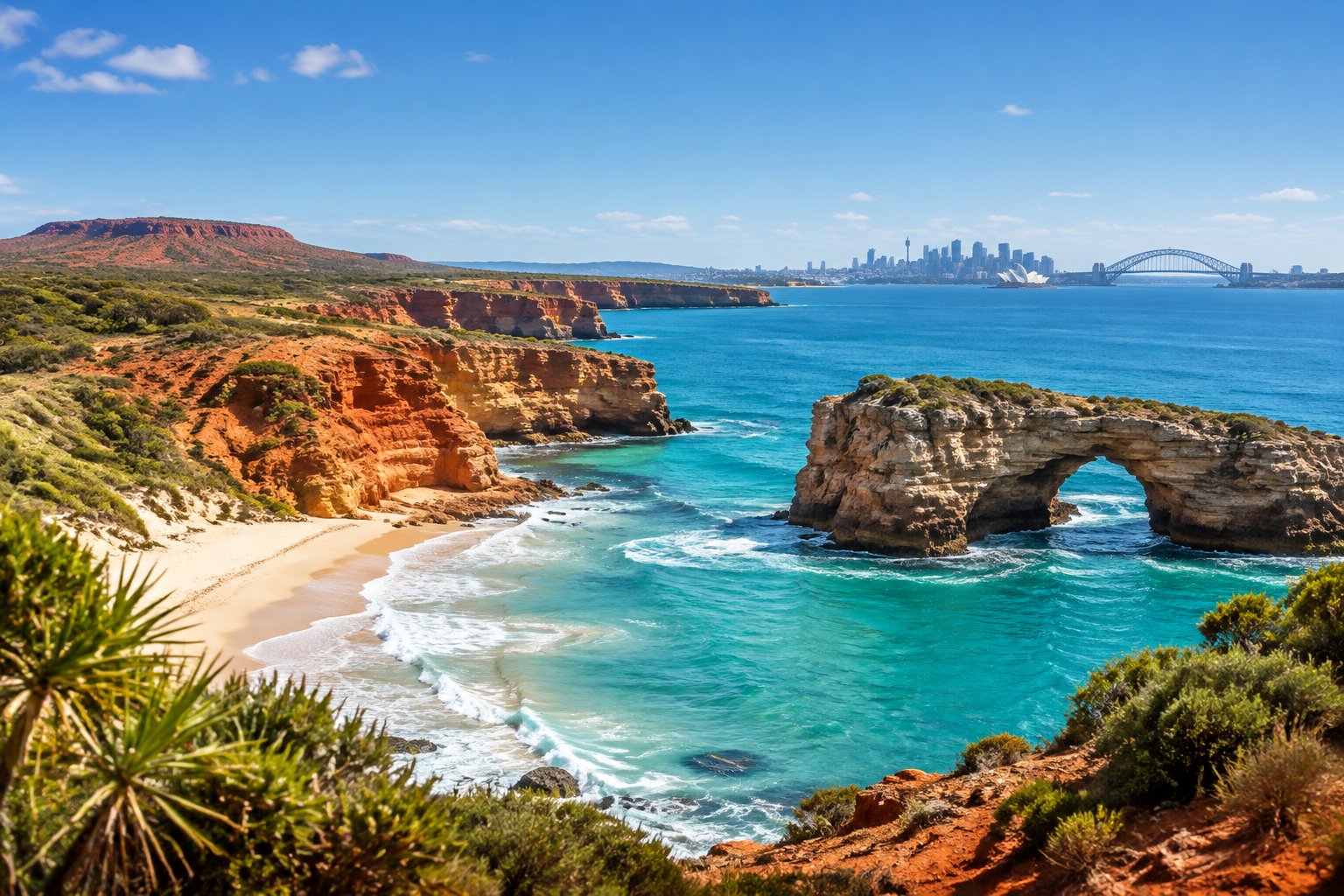
For a first trip, build your route around one or two major destinations in Australia, then add a region that matches your passions. Distances are vast, so focusing on fewer places to visit in Australia gives you more time to enjoy each experience.
Key Takeaways
- Pair a major city with a nearby coast, wine region, or mountain escape.
- Choose the reef, outback, or Tasmania for a trip centered on nature.
- Match your travel dates to regional seasons and book popular stays early.
City Icons and Coastal Getaways
Sydney, Melbourne, and the Gold Coast give you three distinct ways to mix urban sights with time by the water. Add a short side trip to a nearby wine region or coastal town if your schedule allows.
Sydney
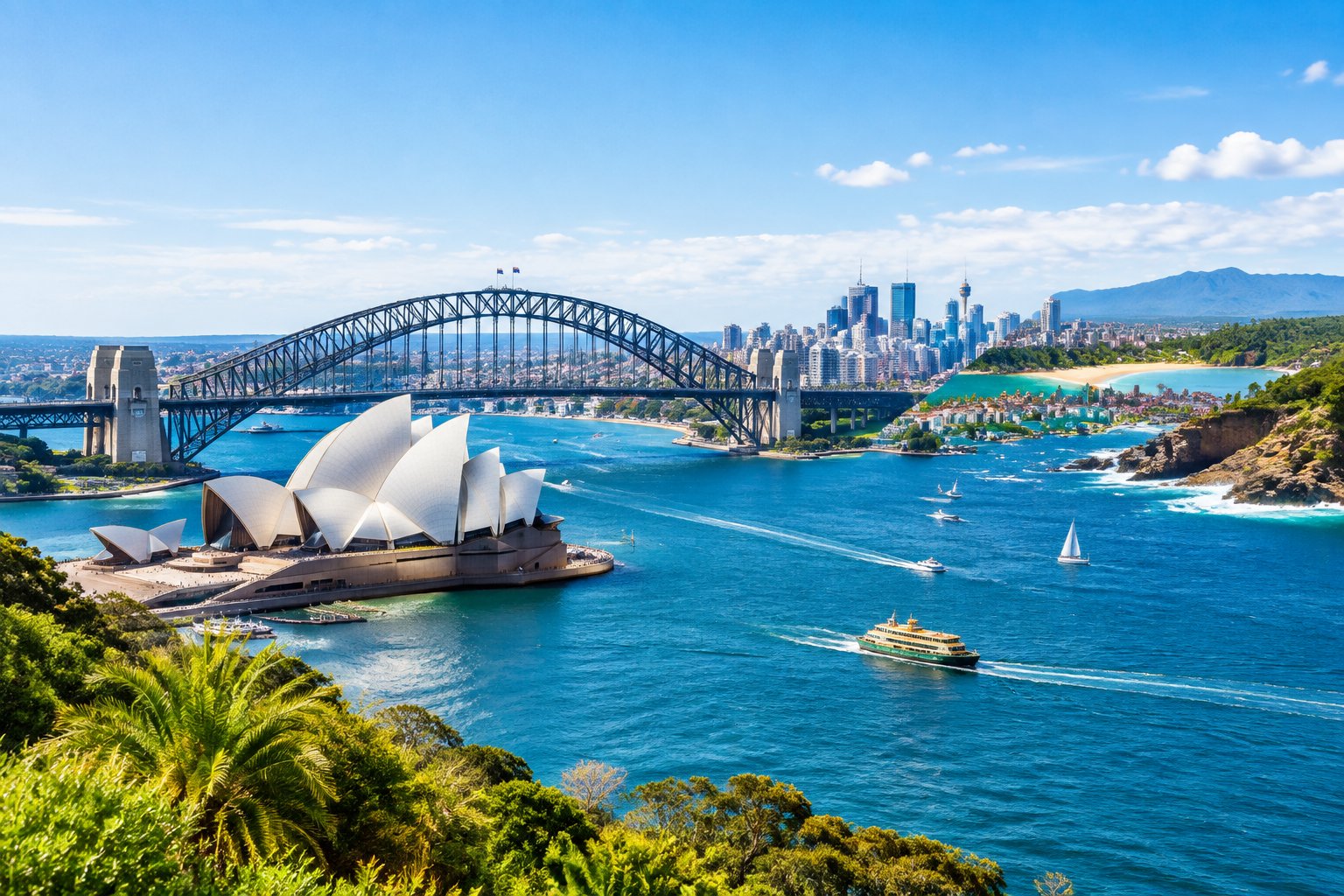
As the vibrant capital of New South Wales, Sydney puts its most famous landmarks around Sydney Harbour. The Sydney Opera House and Sydney Harbour Bridge create an effortless first-day sightseeing route.
Walk the waterfront, take a ferry for a different harbor view, then leave time for Bondi Beach. For dining and city exploration, Surry Hills makes a handy base.
For a stay with heritage character, Paramount House Hotel in Surry Hills has 29 rooms in a former Paramount Pictures headquarters, with dining and a cinema in the building.
Melbourne
As the cultural hub of Victoria, Melbourne suits travelers who love galleries, cafés, live events, and vibrant laneways. Use the city as a base for the Yarra Valley or Hunter Valley wine country, or head toward the coast for a change of pace.
Fitzroy offers an appealing neighborhood stay at The StandardX Melbourne, while the city center has a wide mix of hotels, apartments, and hostels.
Gold Coast
Located south of Brisbane, the Gold Coast brings together long beaches, a high-rise skyline, and easy access to entertainment around Surfers Paradise. It also serves as an easy base for taking scenic day trips down to Byron Bay.
Many travelers fly into Brisbane before driving south along the Pacific Coast to explore the relaxed surf culture of Byron Bay. Choose a central stay if you want to reach the beach, dining, shopping, and local transit on foot.
The Surfers Paradise accommodation range includes hotels, apartments, resorts, and hostels.
Queensland’s Reef and Island Escapes
Queensland gives you two standout ways to explore the Great Barrier Reef: join a boat trip from the mainland or base yourself among the Whitsundays. Cairns, Port Douglas, and Airlie Beach make useful gateways, with stays ranging from city hotels to island resorts.
Great Barrier Reef
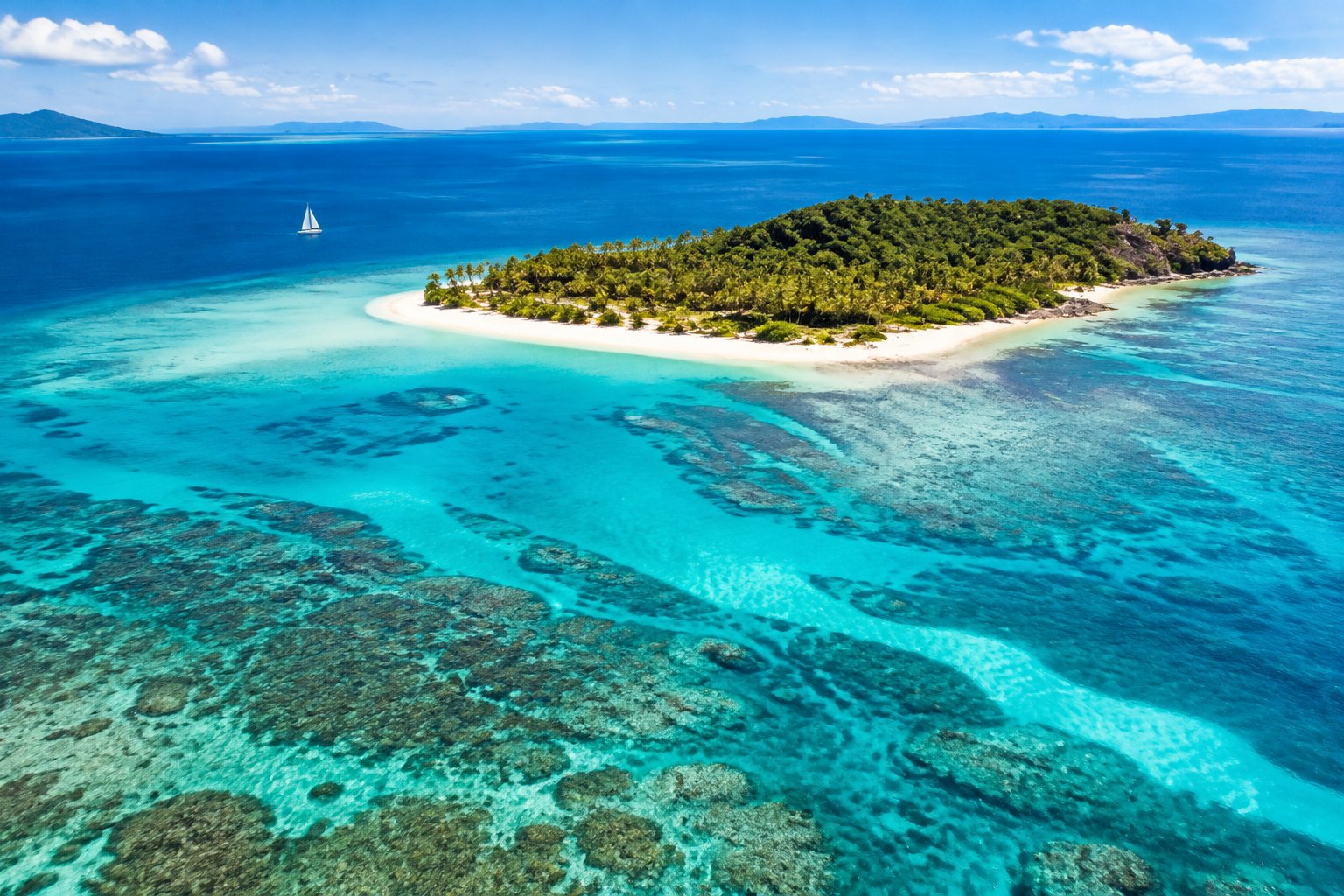
The Great Barrier Reef is a vast marine landscape, so choosing a gateway helps you shape the trip. Cairns and Port Douglas offer access to reef tours, while the Great Barrier Reef Marine Park includes varied habitats and is home to hundreds of coral reefs. The Marine Park covers 344,400 square kilometers and contains about 3,000 coral reefs, according to the Great Barrier Reef Marine Park Authority. For a mainland base with island and reef access, Cairns gives you a practical range of tour and accommodation options.
Whitsundays and Whitehaven Beach
The Whitsundays are made for island-hopping, sailing, and a visit to Whitehaven Beach, known for its bright sand and clear water. Stay in Airlie Beach for mainland convenience or choose an island resort for a closer connection to the coast; Whitsundays accommodation options span hotels, holiday parks, island resorts, and boats.
Outback, Coast and Wilderness Wonders
Australia’s natural landmarks range from the red desert around Uluru to sea cliffs, mountain valleys, and Tasmania’s walking country. Plan extra travel time for these stops, since many sit far from the major cities.
Uluru and Kata Tjuta
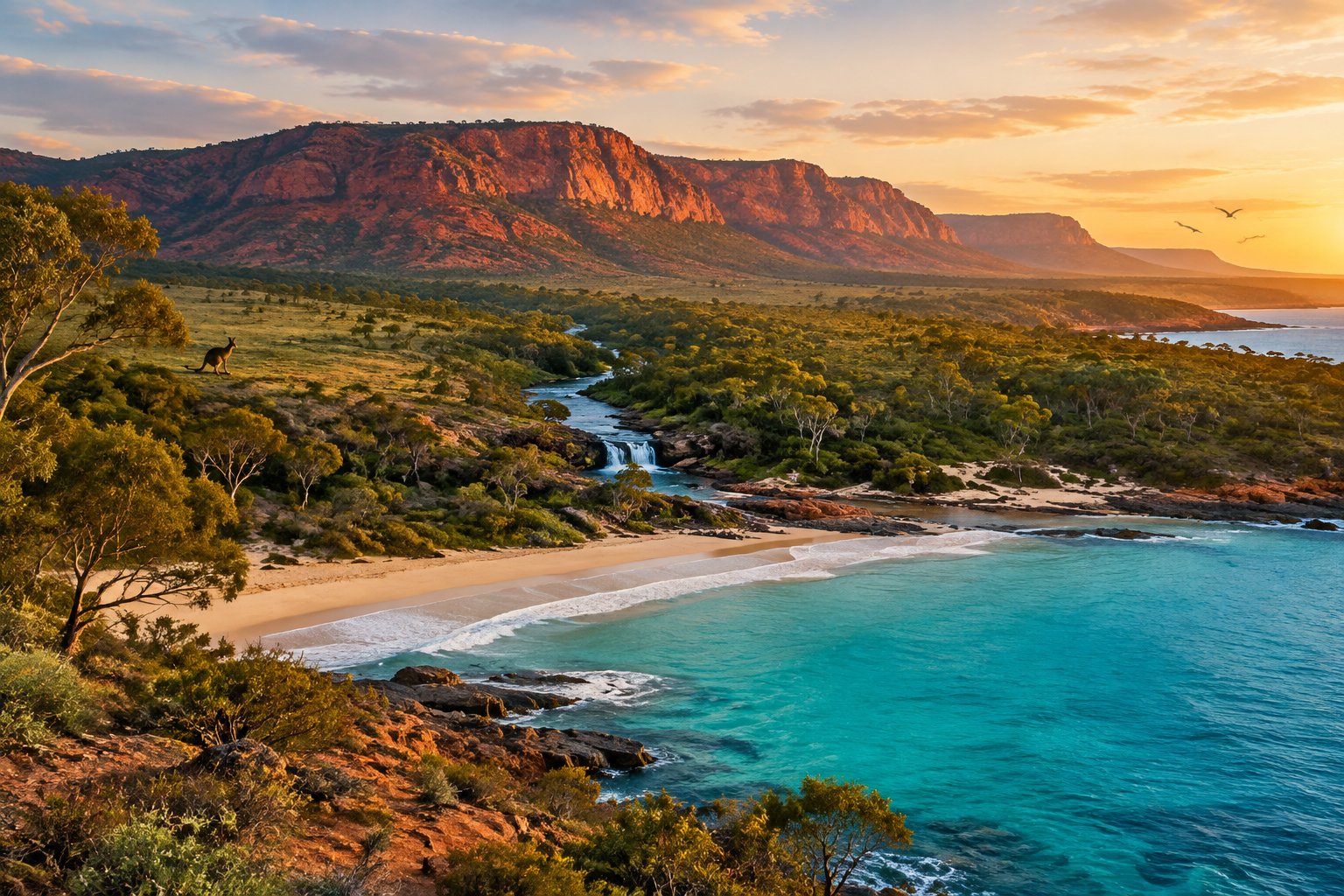
Uluru, also known as Ayers Rock, and nearby Kata Tjuta anchor a visit to the Northern Territory’s Red Centre. Give yourself time to see the changing colors of the rock and to learn about the living cultural landscape within Uluru-Kata Tjuta National Park.
Travelers heading farther north via Darwin can also plan an excursion to Kakadu National Park. Across the Northern Territory, dramatic desert scenery meets ancient Indigenous traditions.
Near the monoliths, Ayers Rock Resort offers several stay styles, from hotels and apartments to campground and hostel options.
Great Ocean Road
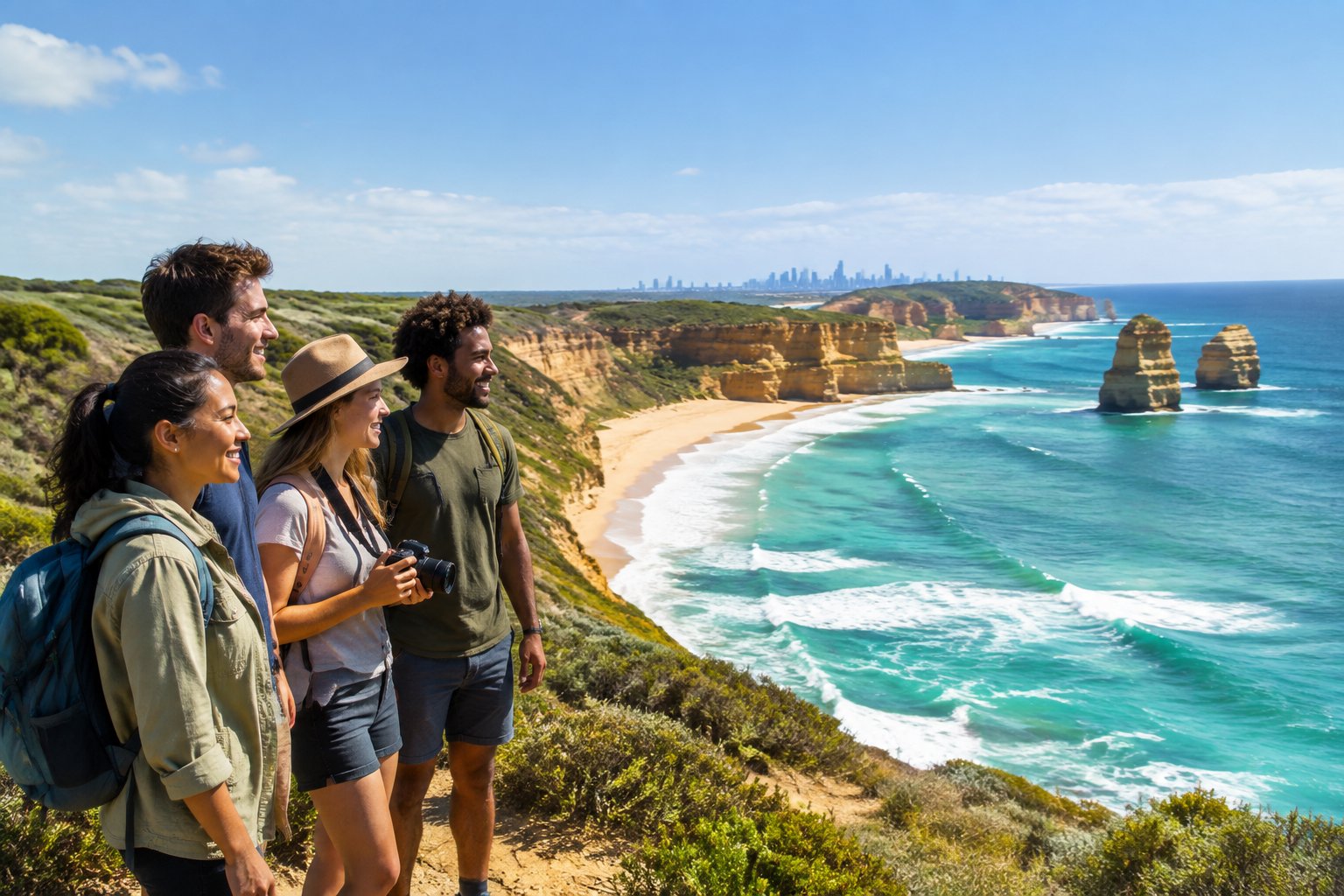
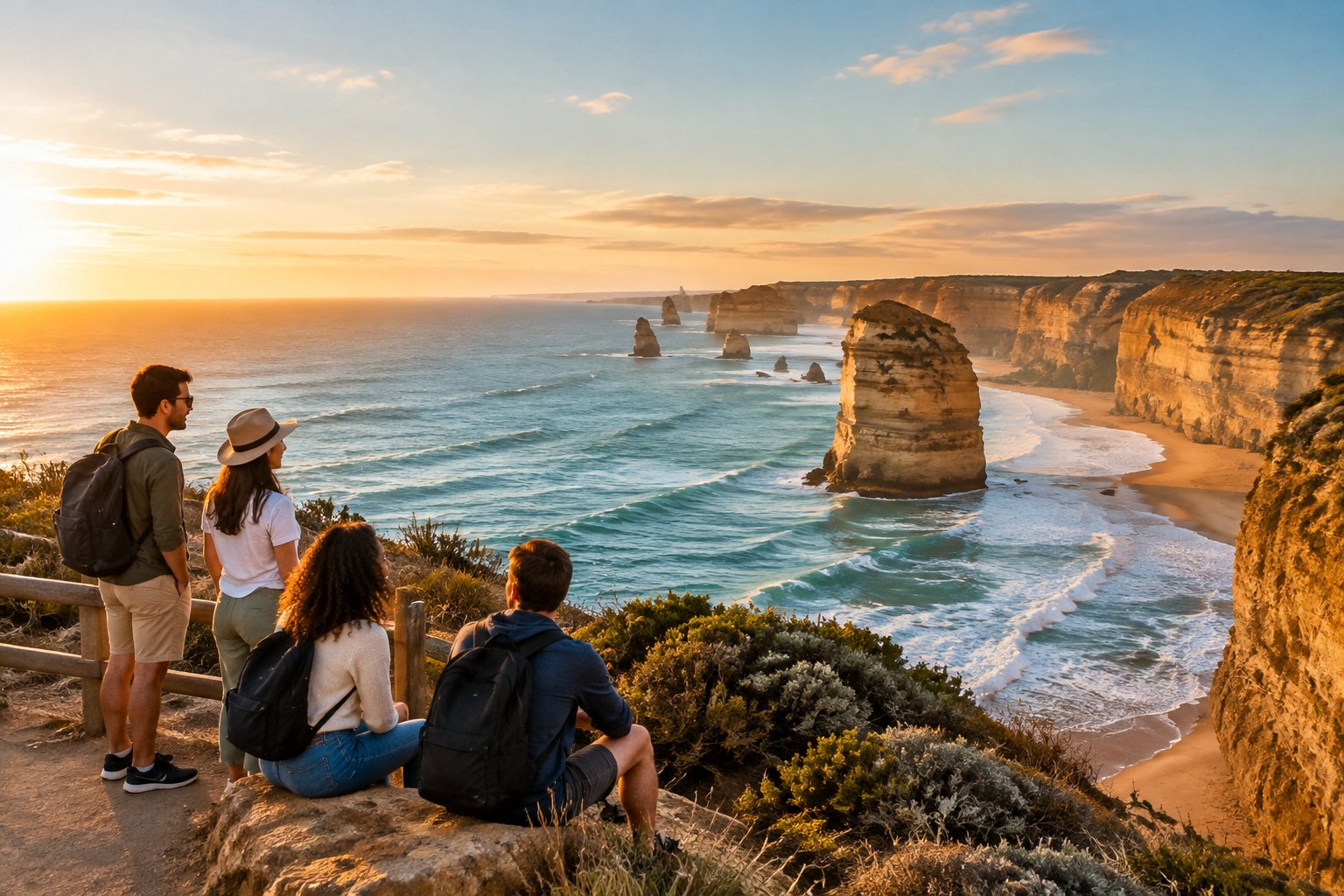
Victoria’s Great Ocean Road is a scenic drive past coastal towns, dramatic sea cliffs, and the Twelve Apostles, also called the 12 Apostles. Watching the sunset over the 12 Apostles is a highlight of visiting coastal Victoria.
Stop at Loch Ard Gorge and allow time for short walks and viewpoints along the route. Trails around Loch Ard Gorge reveal breathtaking ocean views and quiet sandy inlets.
In Torquay, RACV Torquay Resort has ocean-view room options and a location at the road’s eastern end.
Blue Mountains
Located in New South Wales, the Blue Mountains make a rewarding escape from Sydney. The area features dramatic sandstone cliffs, forested valleys, and scenic walking tracks around Katoomba.
The Three Sisters are a popular landmark, while nearby towns offer a relaxed base to enjoy regional New South Wales after a day outdoors. Mountain Heritage in Katoomba pairs a hilltop setting with views of cliffs and valleys.
Tasmania
Tasmania brings together Hobart’s food and arts scene with wild landscapes inland and along the coast. Further north, the riverside city of Launceston makes a fantastic hub for exploring Cataract Gorge and regional vineyards.
Visit MONA, the Museum of Old and New Art, then plan a separate stretch for Cradle Mountain, the Overland Track, or Wineglass Bay. The subterranean galleries at the Museum of Old and New Art provide an unforgettable cultural experience.
Hobart’s Salamanca district makes a convenient base; the Moss Hotel occupies converted warehouses near the city’s dining spots.
Perth
Perth gives you a sunny city base with riverfront walks and green space close to the center. Set aside time for Kings Park and Botanic Garden, which overlooks the city and Swan River, then explore the beaches or take a day trip beyond town. Central hotels put you near shops, transit, and many city attractions.
How to Plan Your 2026 Australia Trip
A strong Australia itinerary links places by region and travel time, with a season that suits the landscapes you want to see. Keep your route focused, especially if you plan to combine cities with remote parks or islands.

How to Choose Hotspots for Your Route
Start with the experiences you care about most, then group nearby stops: Sydney with the Blue Mountains, Melbourne with the Great Ocean Road, or Cairns with the reef. Adelaide and the Barossa Valley make a good pairing if food and wine are priorities. Australia’s shoulder seasons are March to May and September to November; the tropical north has a wet season from October to April and a dry season from May to September, as outlined in Tourism Australia’s seasonal guide.
Where to Stay and When to Book
Choose a city-center hotel for easy access to restaurants and transit, a coastal base for beach days, or an island or resort stay for a slower trip. In reef country, decide whether you want the convenience of a mainland base or the quieter feel of an island stay. Summer is a high-demand period, so book flights and accommodation well in advance if you plan to travel from December through February.
Build a Trip Around the Experiences You Love
Your best route starts with the experience you want to remember: a harbor city, a reef outing, a desert landscape, or a long coastal drive. Choose a few hotspots that fit your travel dates, then select stays that make each day’s plans easy to reach.
Frequently Asked Questions
What are some popular tourist hotspots in Australia?
Popular hotspots include Sydney, Melbourne, the Gold Coast, the Great Barrier Reef, the Whitsundays, Uluru, the Great Ocean Road, the Blue Mountains, Tasmania, and Perth. Each offers a different mix of city sights, beaches, or nature.
What are the top 10 attractions in Australia?
A strong top 10 includes the Sydney Opera House, Sydney Harbour Bridge, Bondi Beach, the Great Barrier Reef, Whitehaven Beach, Uluru, Kata Tjuta, the Twelve Apostles, the Three Sisters, and MONA. You can combine several of these with nearby city or regional stays.
What is the biggest tourist spot in Australia?
The Great Barrier Reef is one of Australia’s largest natural tourism areas, stretching along Queensland’s coast across a marine park of 344,400 square kilometers. Its scale means you’ll need to choose a gateway, such as Cairns, Port Douglas, or the Whitsundays.
Which Australian hotspots are best for first-time visitors?
Sydney, Melbourne, and the Great Barrier Reef make a strong first trip because they combine recognizable city sights with a major natural landmark. Add one nearby region, such as the Blue Mountains from Sydney or the Yarra Valley from Melbourne, to keep travel manageable.
When is the best time to visit Australia’s top hotspots?
March to May and September to November are useful shoulder-season windows for a multi-region trip. For Queensland’s tropical north, May to September is the dry season; summer brings warm beach weather in southern cities, alongside higher travel demand.
Comments