Argentina’s top hotspots span a huge range, from Buenos Aires neighborhoods and Iguazú Falls to Mendoza’s vineyards and Patagonia’s glaciers. For a first trip, prioritize Buenos Aires, Iguazú Falls, Mendoza, and at least one Patagonian stop; those destinations give you a strong mix of city culture, nature, food, and outdoor adventure.
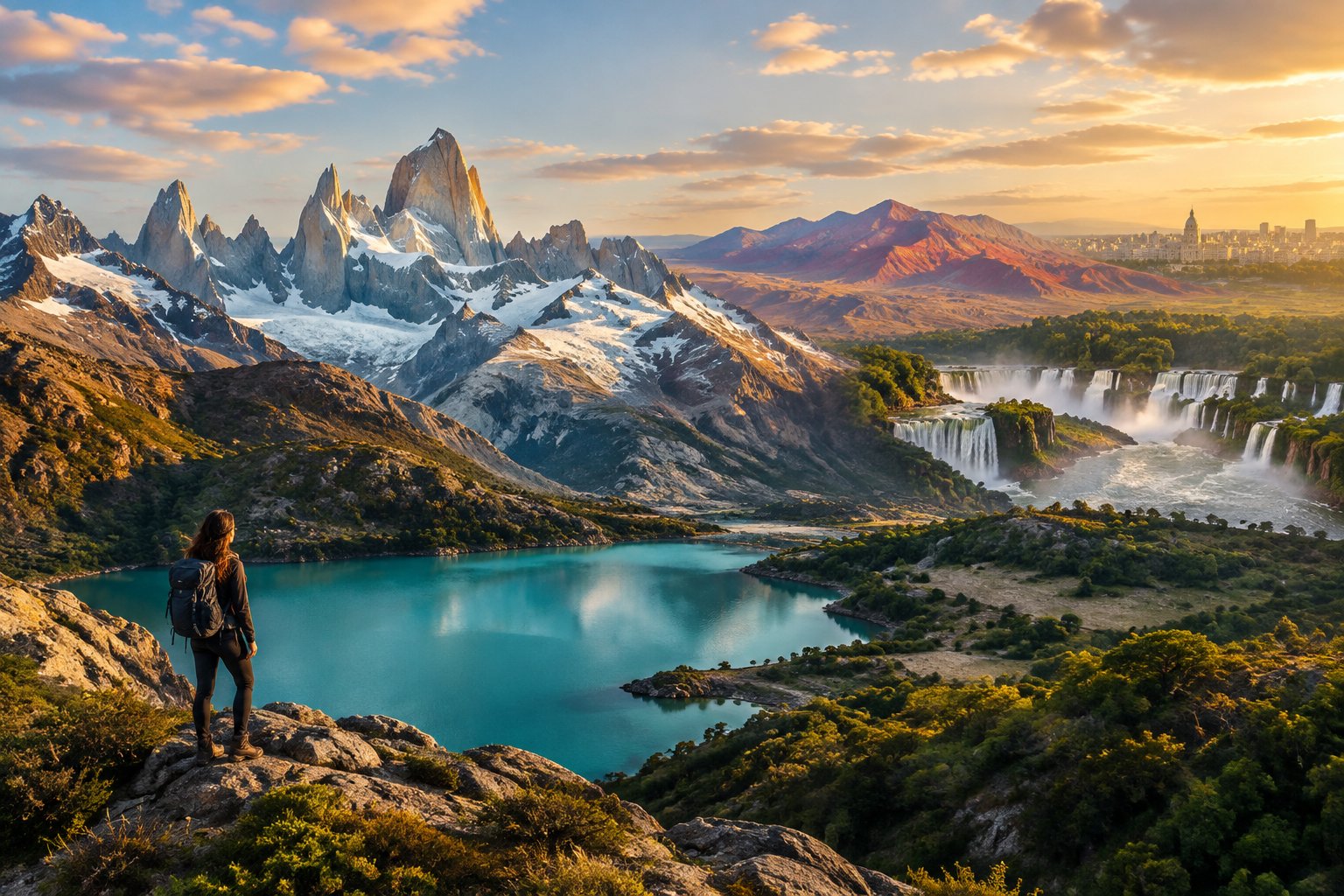
Argentina stretches from subtropical forests in the north to windy, glacier-carved landscapes in the south. This Argentina travel guide outlines the country's most rewarding destinations to help you organize an efficient route.
Long distances shape Argentina travel, so matching your stops to seasonal weather and flight routes will make your trip much smoother.
Key Takeaways
- Mix city time with a focused visit to one or two regions.
- Match your destinations to the season and activities you want.
- Book stays near the sights or transport links you plan to use.
Buenos Aires: Neighborhoods, Culture, and City Hotels
Buenos Aires is the best place to start if you want Argentina’s urban culture, historic streets, and food scene in one base.
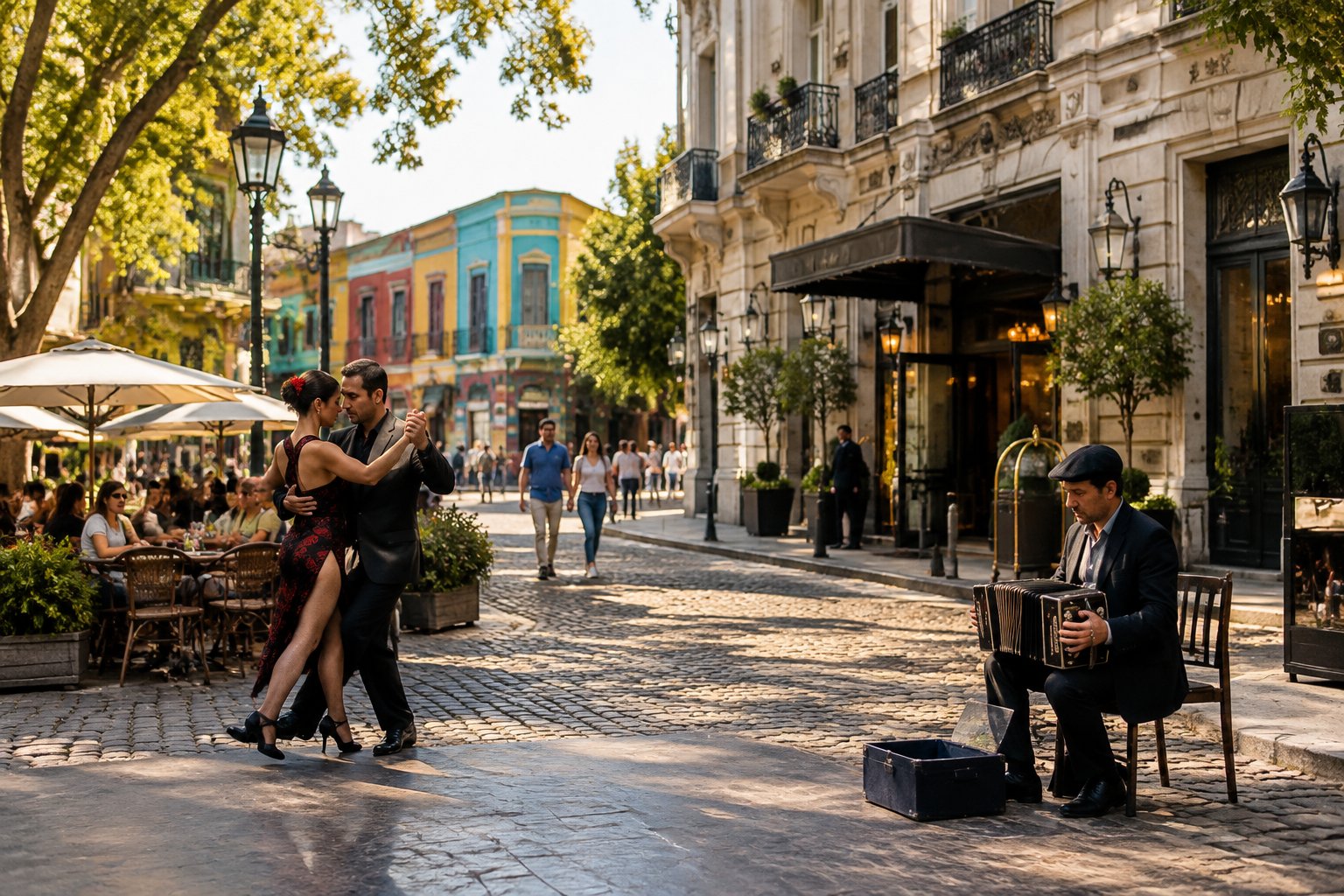
Explore San Telmo for antique shops and tango, then head to Palermo for parks, restaurants, and leafy streets. La Boca’s Caminito Street is known for colorful buildings and street art, while Recoleta Cemetery offers a striking look at the city’s history.
For a refined stay near Recoleta, the Alvear Palace Hotel has 207 rooms and suites. Choose Palermo or San Telmo if you want to be closer to neighborhood cafés and evening dining.
- 3 Absolute Highlights
- Browse the stalls and cafés of San Telmo.
- Walk through Recoleta Cemetery.
- See the colorful facades along Caminito Street.
Iguazú Falls: Rainforest Trails and Waterfall Views
Iguazú Falls is a standout choice for dramatic waterfalls and rainforest walks. Visiting Iguazu Falls lets you explore extensive boardwalks that bring you right alongside the thundering cascades.
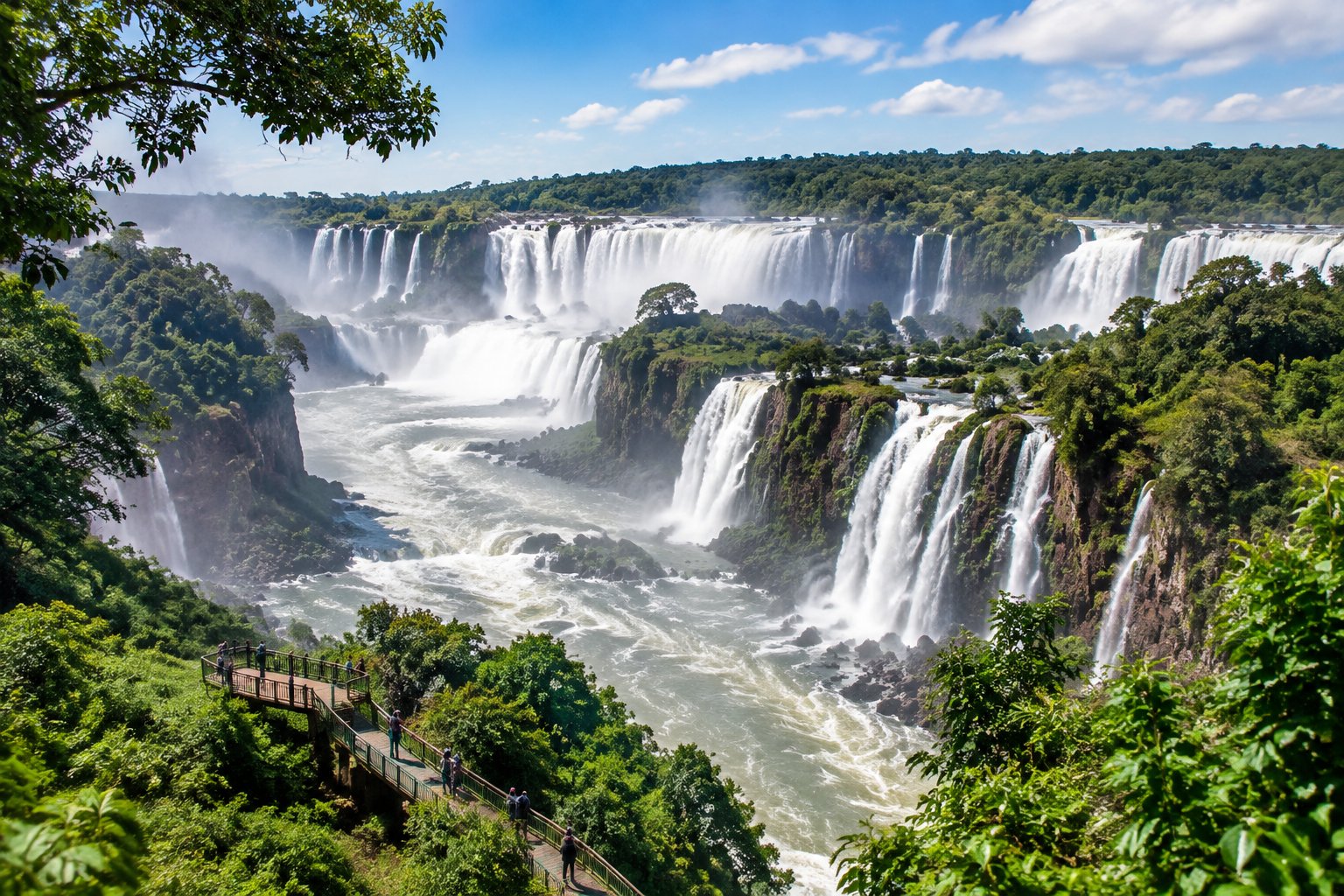
The walkways bring you close to the cascades, with the vast Garganta del Diablo, or Devil’s Throat, as a key viewpoint. Many travelers consider Iguazu Falls among the most awe-inspiring natural wonders in the world.
Puerto Iguazú makes a practical base for reaching the park and finding restaurants after a day on the trails.
O2 Hotel Iguazú sits in Puerto Iguazú’s dining district, near restaurants and bars. Staying in town gives you an easy starting point for waterfall visits.
- 3 Absolute Highlights
- Follow the park walkways to waterfall viewpoints.
- Visit Garganta del Diablo.
- Stay in Puerto Iguazú for dining and access to the falls.
Mendoza: Wine Country and Andes Adventures
Mendoza pairs vineyard visits with mountain scenery and outdoor excursions.
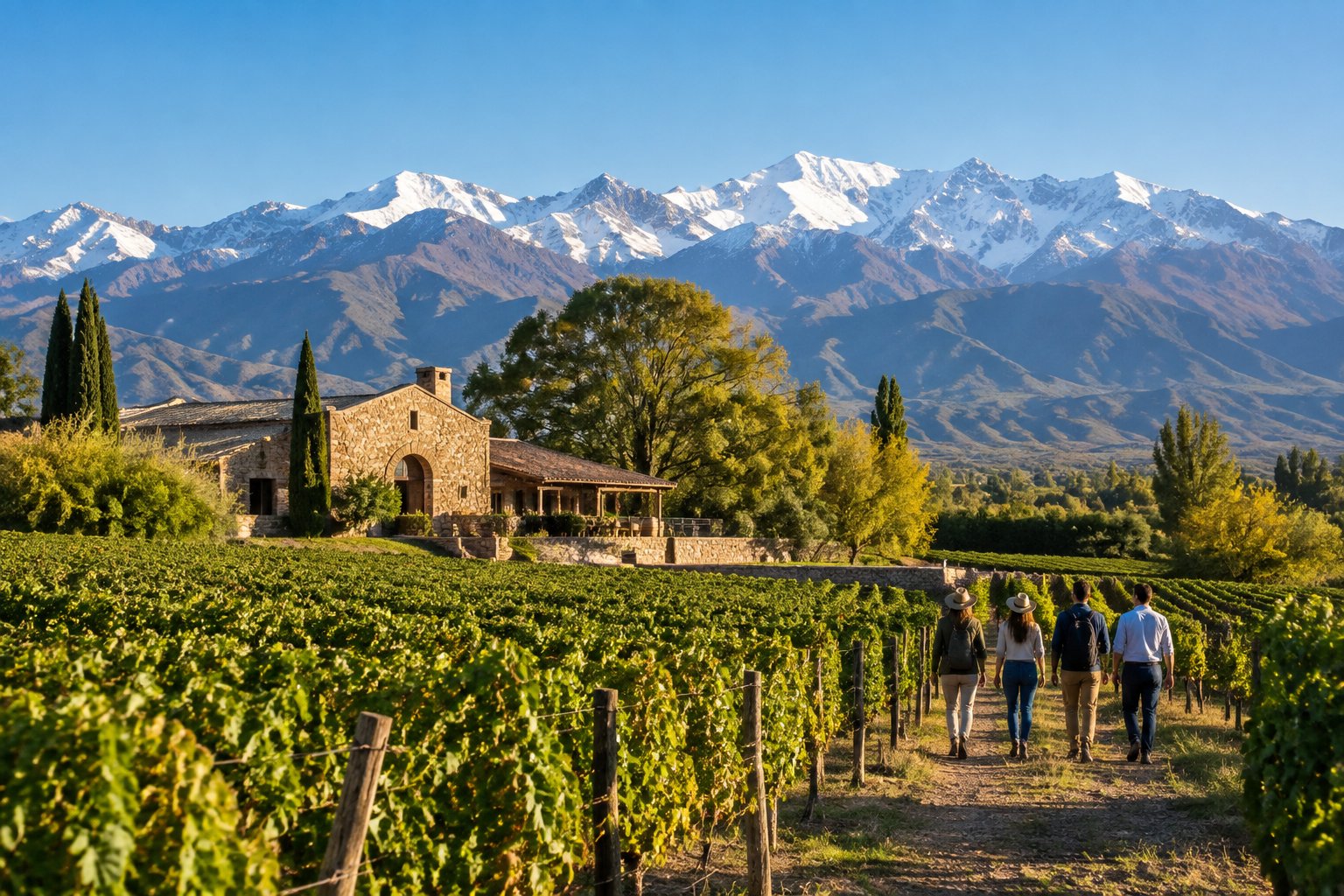
Located in Mendoza Province, the Mendoza wine region includes Luján de Cuyo, Maipú, and the Uco Valley, where you can visit wineries and taste Malbec wine.
For a mountain-focused day, Aconcagua Provincial Park offers views of Aconcagua, the highest peak in the Americas, in the Andes Mountains. Day trips into Aconcagua Provincial Park let you explore high-altitude trails nestled among the rugged peaks of the Andes Mountains.
The Vines Resort & Spa is in the Uco Valley, surrounded by vineyards and mountain scenery. Choose a city stay in Mendoza if you prefer easy access to restaurants and winery day trips.
- 3 Absolute Highlights
- Taste Malbec in Luján de Cuyo or Maipú.
- Explore the Uco Valley’s vineyard landscape.
- Take in the Andes near Aconcagua.
Salta and Jujuy: Andean Valleys and Colorful Villages
Salta and Jujuy are strong picks for Andean scenery, traditional villages, and long road trips through changing landscapes.
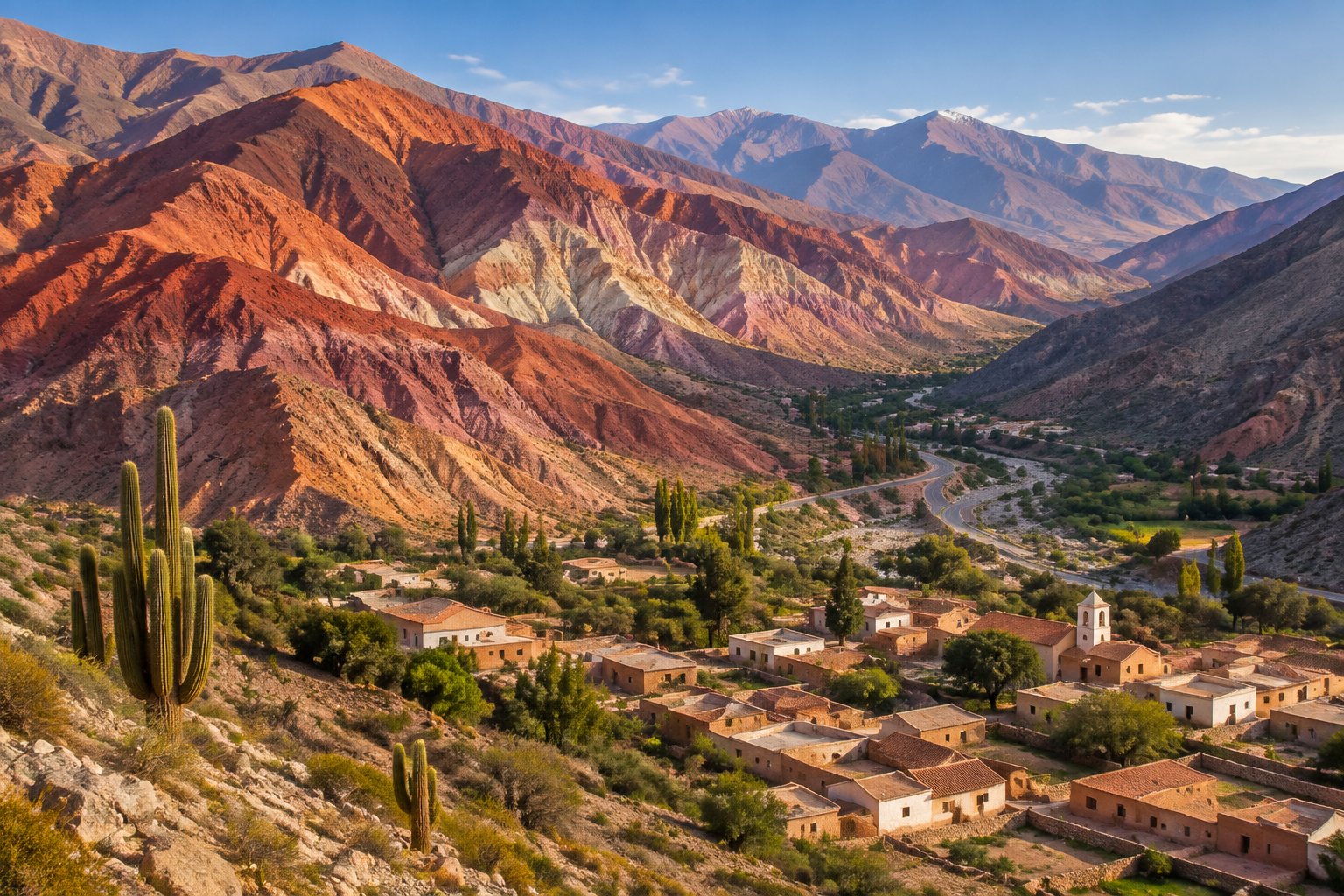
In Jujuy Province, the Quebrada de Humahuaca leads through dramatic gorges and villages such as Purmamarca, set below the Hill of Seven Colors. Further up the Quebrada de Humahuaca, the historic town of Humahuaca features rich indigenous heritage and quiet cobblestone streets.
Continue toward Salinas Grandes for a high-altitude salt-flat landscape. Across Salta Province, scenic drives reveal striking rock formations, and Salta Province is also home to the Calchaquí Valley and Cafayate for mountain vistas and wine tasting.
In Salta, Hotel Alejandro 1 is two blocks from the main public square, making it a convenient city base. For a route through Jujuy, plan overnight stops around the villages you want to explore.
- 3 Absolute Highlights
- See the Hill of Seven Colors in Purmamarca.
- Visit the salt flats at Salinas Grandes.
- Travel through the Calchaquí Valley toward Cafayate.
Bariloche: Lakes, Hikes, and Northern Patagonia
Bariloche is a useful base for lake views, mountain trails, and outdoor trips in Northern Patagonia.
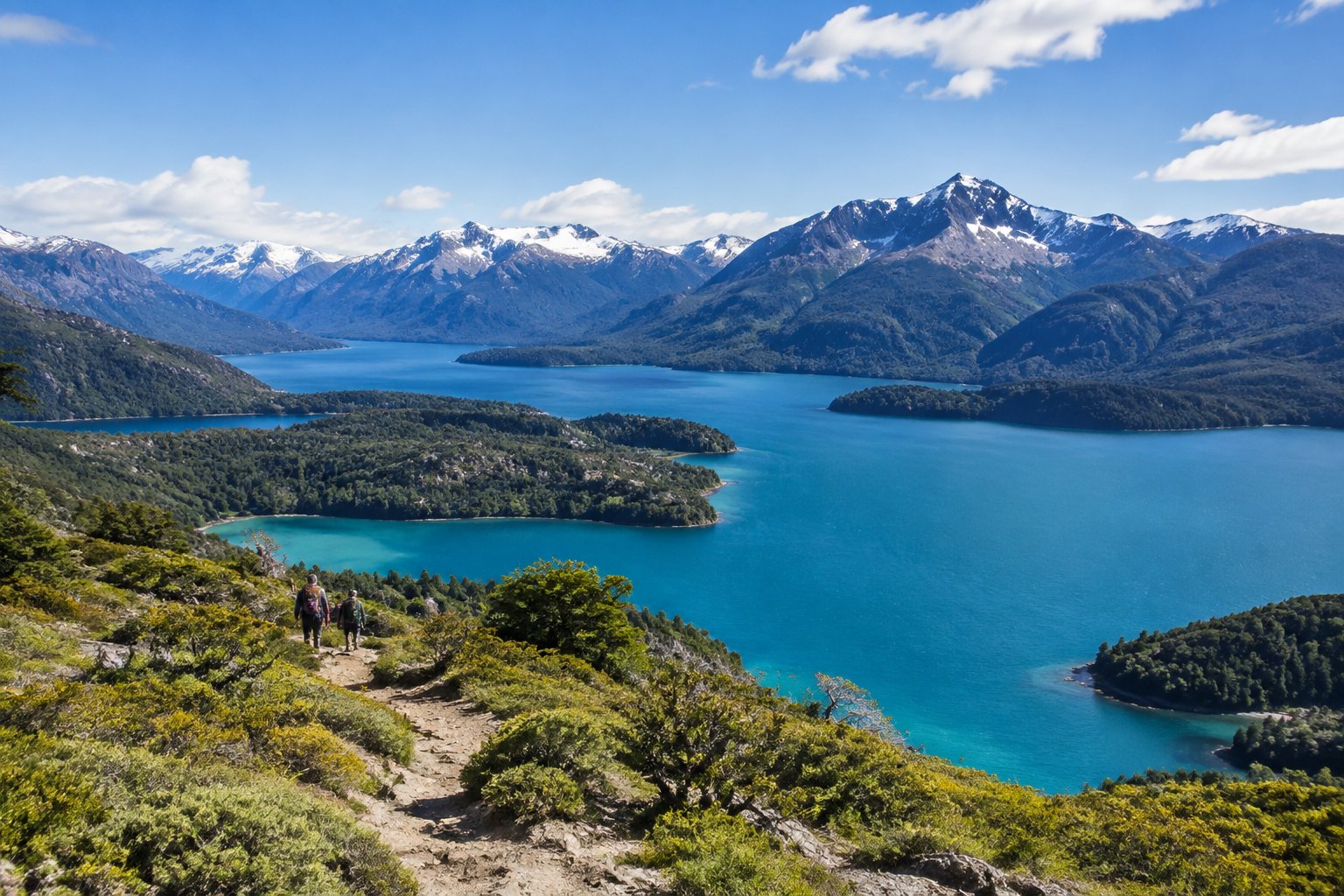
San Carlos de Bariloche sits beside Nahuel Huapi and gives you access to Nahuel Huapi National Park. Nestled against the Andes Mountains, the town combines alpine scenery with clear glacial waters.
Drive the Seven Lakes Route for forest and water views, or hike toward Refugio Frey for a more demanding mountain outing. In San Carlos de Bariloche, travelers also enjoy traditional Swiss-style architecture and artisan chocolate shops.
Llao Llao Resort, Golf-Spa offers a resort stay among lakes, forests, and mountains. A central Bariloche hotel works well if you want shops, restaurants, and tour connections close by.
- 3 Absolute Highlights
- Explore Nahuel Huapi National Park.
- Drive the Seven Lakes Route.
- Hike toward Refugio Frey.
El Calafate: Glaciers and Lake Argentino
El Calafate is the main base for seeing Perito Moreno Glacier and exploring the glacier country of Patagonia.
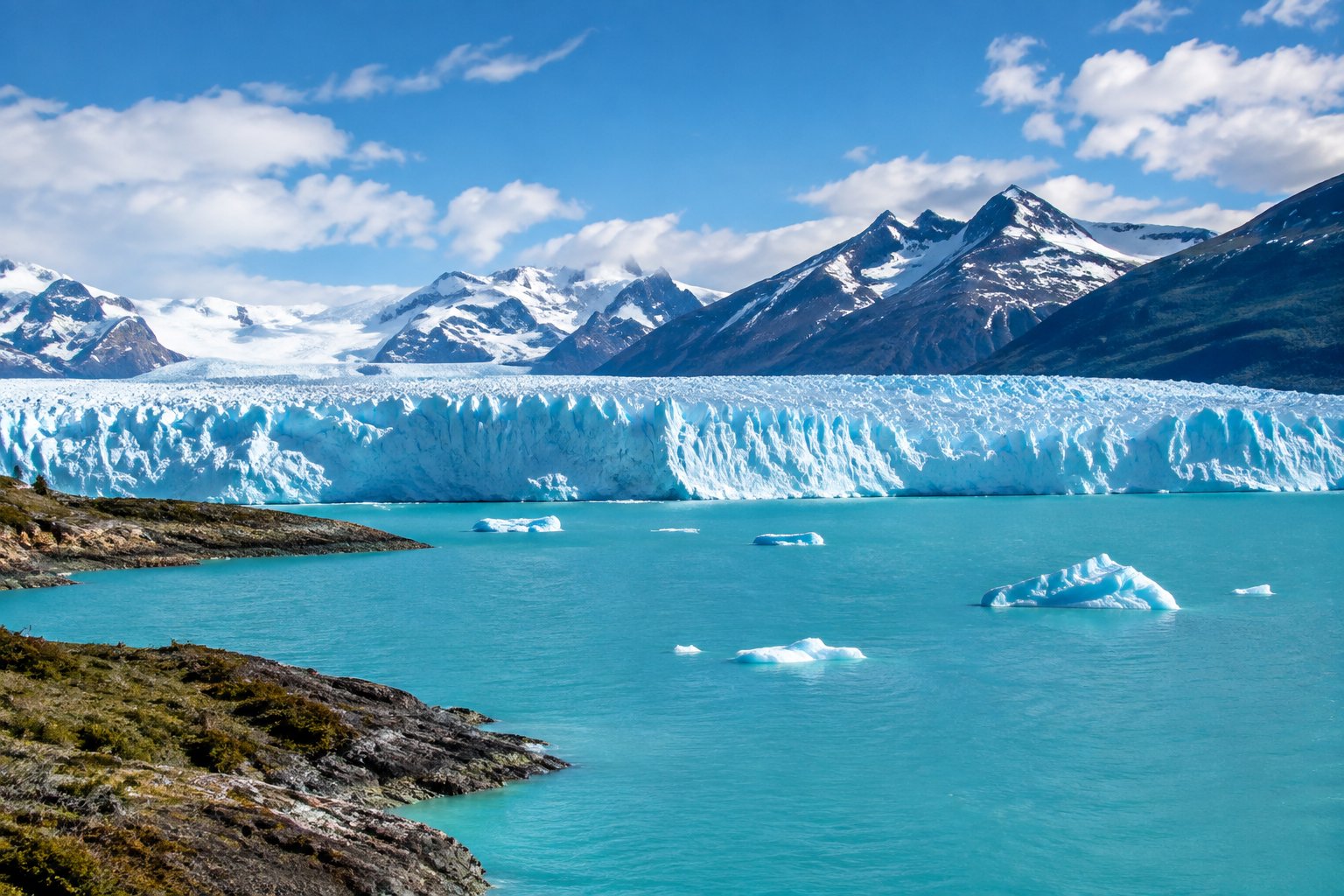
In Los Glaciares National Park, walkways offer different views of Perito Moreno Glacier as it meets Lake Argentino. Los Glaciares National Park preserves massive ice fields that feed several dramatic glacial lakes.
Boat excursions bring visitors close to the towering front wall of the Perito Moreno Glacier. Give yourself time to pause at the viewpoints, since the scale of the ice and lake is difficult to take in at a glance.
Calafate Parque Hotel is in the town center, close to Lake Argentino. Staying in El Calafate also gives you a practical base for arranging park visits.
- 3 Absolute Highlights
- Visit Perito Moreno Glacier.
- Walk the park’s glacier viewpoints.
- Take in the landscape around Lake Argentino.
El Chaltén: Hiking Beneath Fitz Roy and Cerro Torre
El Chaltén is a top Patagonia choice when you want to hike beneath granite peaks and start trails from a small mountain town.
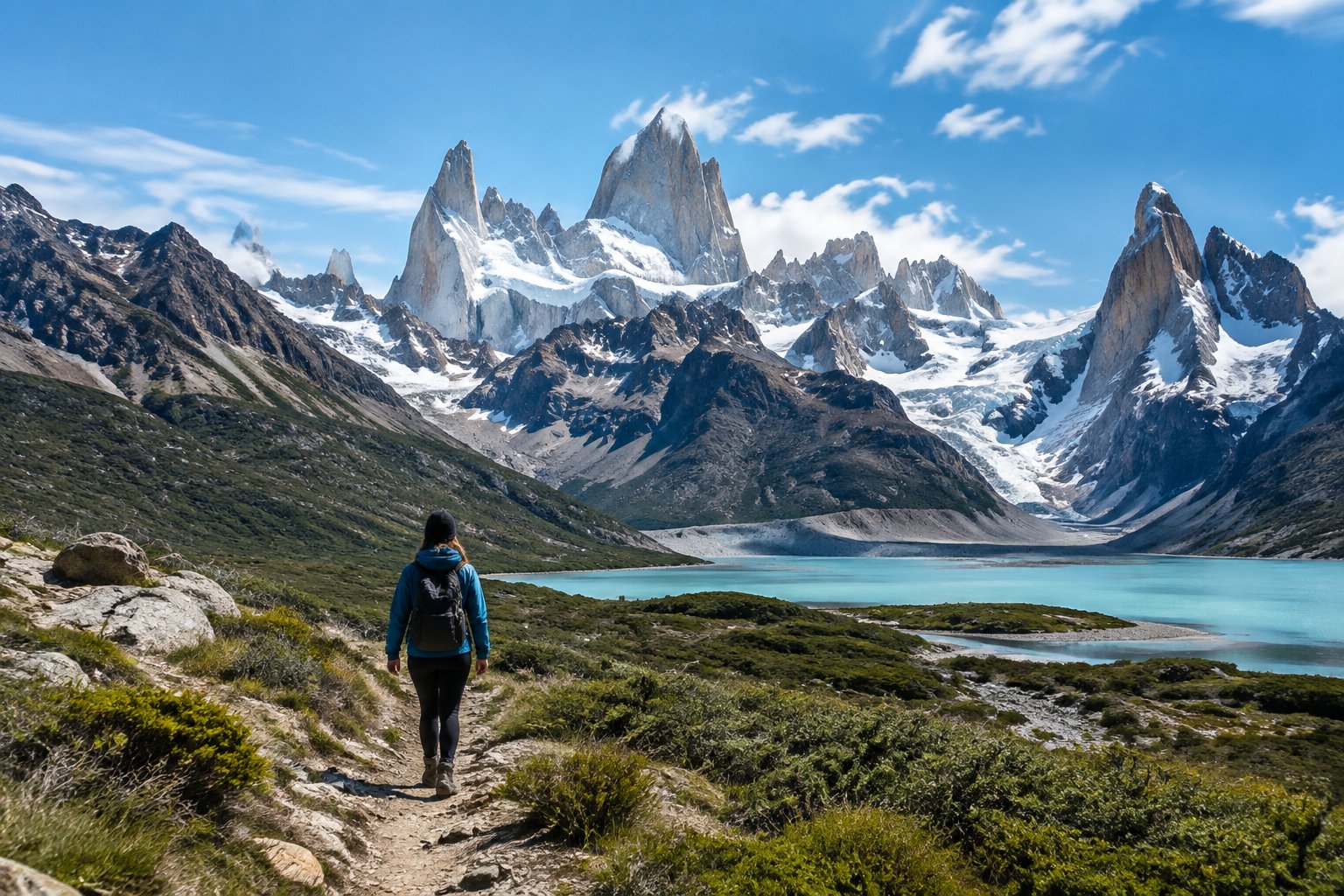
Set within Los Glaciares National Park, El Chaltén provides direct access to premier alpine routes without needing bus transfers. Trails lead toward Monte Fitz Roy, also called Mount Fitz Roy, and Cerro Torre, with options ranging from shorter walks to full-day hikes.
Early morning hikes toward Laguna de los Tres reward travelers with striking sunrise views over Monte Fitz Roy. Weather and trail conditions shape what you can see, so build flexibility into your plans.
Los Cerros del Chaltén Boutique Hotel is in the village, close to the trail network. Staying in town gives you room to adjust your hiking plans around the day’s conditions.
- 3 Absolute Highlights
- Hike toward Laguna de los Tres beneath Fitz Roy.
- Follow the trail toward Laguna Torre and Cerro Torre.
- Enjoy mountain views from the village and nearby trails.
Península Valdés: Patagonia’s Marine Wildlife
Península Valdés is a prime destination for observing marine wildlife along Patagonia’s coast.
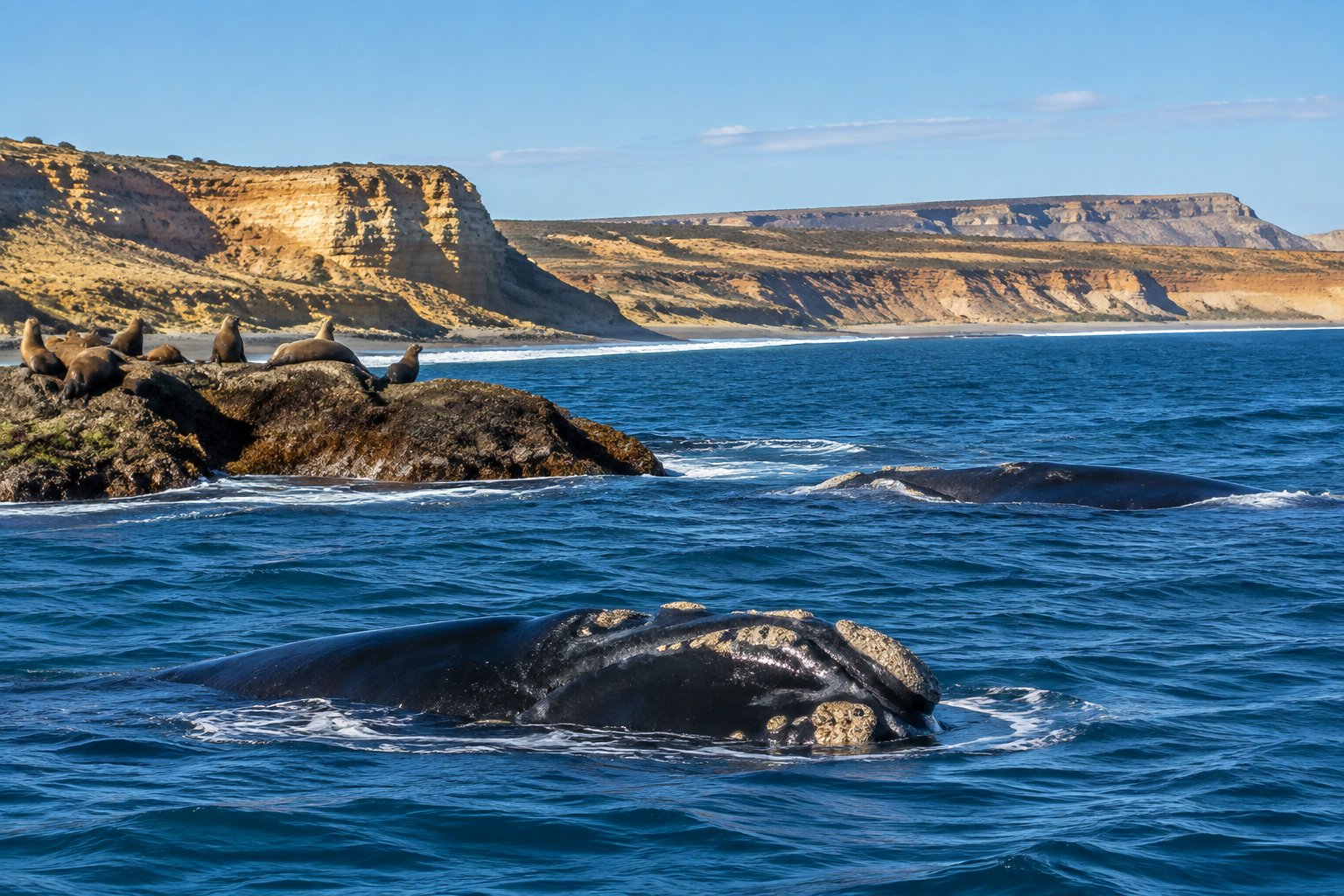
Puerto Madryn is a convenient base for trips to the Valdes Peninsula and nearby coastal areas. Southern right whales arrive in the region from late May through mid-December, with boat excursions from Puerto Pirámides running during the whale season.
Dazzler Puerto Madryn is on the waterfront in the city center, with access to local services and routes toward the peninsula. Choose your visit dates around the wildlife you most want to see.
- 3 Absolute Highlights
- Look for southern right whales during the season.
- Visit Puerto Pirámides for boat excursions.
- Explore the peninsula’s coastal wildlife areas.
Ushuaia: Tierra del Fuego at the End of the World
Ushuaia is a gateway to Tierra del Fuego’s mountain scenery, national park, and Beagle Channel.
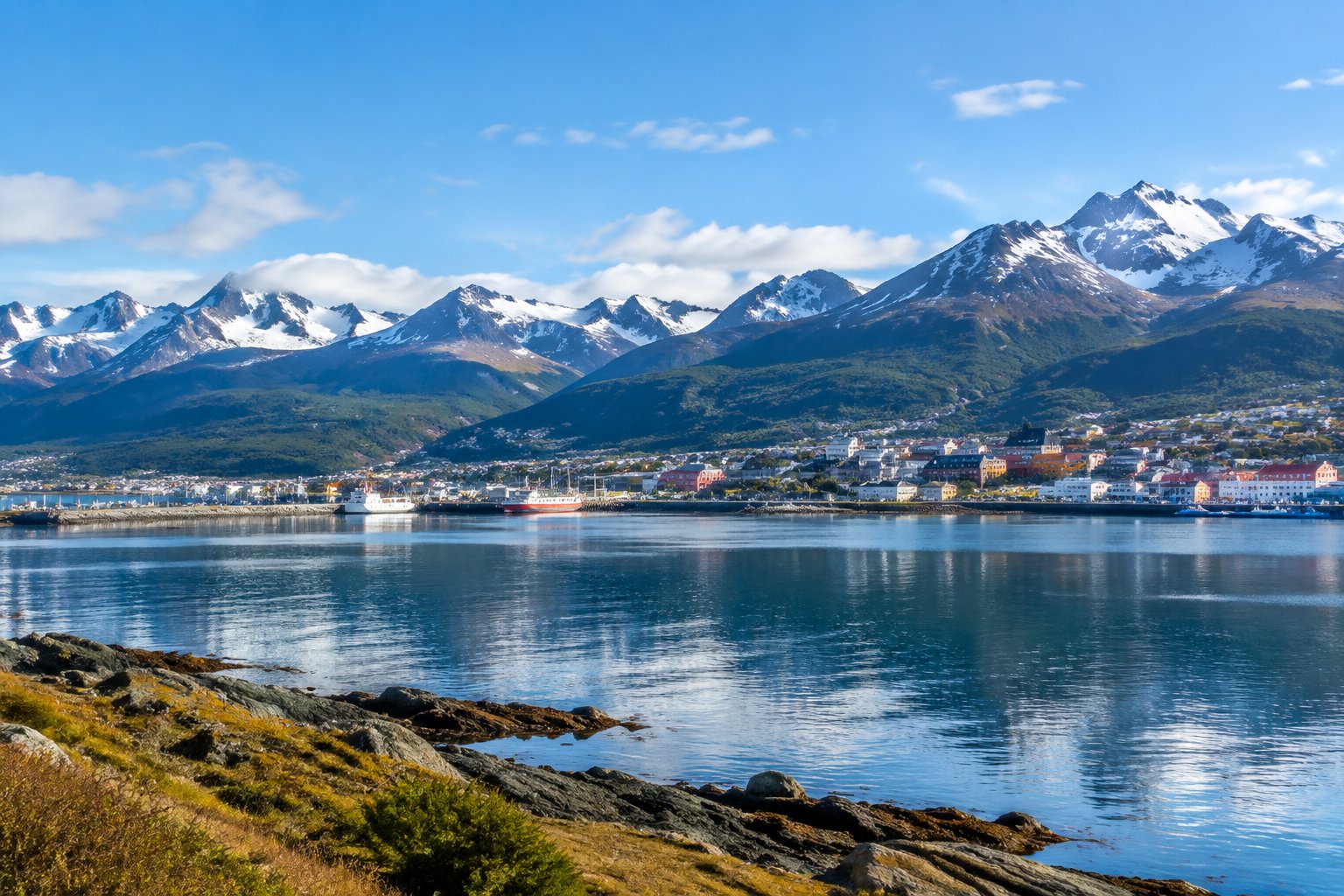
Visit Tierra del Fuego National Park for forest trails and views near the water, then explore Ushuaia’s harbor and waterfront. Within Tierra del Fuego National Park, coastal paths wind past peat bogs, subantarctic woodlands, and scenic bays.
A boat trip on the Beagle Channel gives you a different perspective on the surrounding coast and peaks.
Hotel Albatros faces the Beagle Channel in central Ushuaia, close to the city’s sights. Its location works well when you want to combine time in town with nature outings.
- 3 Absolute Highlights
- Walk trails in Tierra del Fuego National Park.
- See Ushuaia from the Beagle Channel.
- Explore the waterfront and harbor.
Córdoba: Historic Streets and Jesuit Heritage
Córdoba offers colonial-era landmarks and a city break centered on history and local culture.
The Jesuit Block is the city’s defining historic attraction, with buildings that show the influence of the Jesuits in the region. Add a walk through central Córdoba to see the city’s plazas, churches, and museums.
Holiday Inn Córdoba is a city hotel with access to the cultural and shopping district. Choose a central stay if you want to explore the historic core on foot and by short rides.
- 3 Absolute Highlights
- Explore the Jesuit Block.
- Visit Plaza San Martín and the Cathedral.
- Walk through Córdoba’s central streets.
Choose Your Stops Around the Trip You Want
Choose destinations by season and travel style, then group nearby places to limit long transfers.
Determining the best time to visit Argentina depends on which climates and landscapes you plan to see. Argentina’s seasons fall opposite those in the northern hemisphere.
November brings spring jacaranda blooms to Buenos Aires, while January falls in the country’s summer. Summer is ideal for Patagonia’s lakes, Mendoza’s vineyards, or Atlantic beaches such as Mar del Plata.
Popular seaside destinations like Mar del Plata offer lively oceanfront promenades and seafood dining during the warmest months.
The country’s official travel information recommends at least 20 days to see major regions such as Buenos Aires, Patagonia, Iguazú Falls, Mendoza, and the North in one trip (Argentina’s travel planning guidance).
For a quieter nature-focused itinerary, consider Esteros del Iberá or La Rioja, including Ischigualasto Provincial Park. Match your route to the activities you want, then leave enough time for travel between regions.
Frequently Asked Questions
What are the top 10 places to see in Argentina?
A strong list of the top 10 hotspots in Argentina includes Buenos Aires, Iguazú Falls, Mendoza, Salta and Jujuy, Bariloche, El Calafate, El Chaltén, Península Valdés, Ushuaia, and Córdoba. Each offers a distinct mix of city culture, landscapes, wildlife, or outdoor activities.
What are the best places to visit in Argentina in November?
Buenos Aires is a good November choice for spring weather and jacaranda blooms, while Península Valdés is within the southern right whale season. You can also visit Iguazú Falls or explore Mendoza’s vineyards.
What are the best places to visit in Argentina in January?
January suits outdoor trips in Patagonia, including Bariloche, El Calafate, and El Chaltén, as well as beach getaways in Mar del Plata. Mendoza is another option for vineyard visits during the summer season.
Which Buenos Aires neighborhoods should first-time visitors explore?
Start with Palermo for parks and dining, San Telmo for historic streets and tango, and Recoleta for architecture and the cemetery. Add La Boca for Caminito Street and its colorful buildings.
When is the best time to visit Argentina?
Spring (October to November) and autumn (March to May) offer mild weather across most regions. Summer is best for Patagonia hiking, while winter suits northern sightseeing.
How many days do you need to visit Argentina’s main hotspots?
Plan at least 20 days for comprehensive Argentina travel if you want to visit several major regions, since the distances are substantial. With less time, choose a city stay and one or two regions with practical travel connections.
Comments